Los Angeles: A Setting Conundrum

Last spring I decided to have a portion of my novel take place in Los Angeles. One chapter would be closer to downtown, and two chapters would be in Santa Monica. I’ve never been to LA, so I did a bunch of research, found some locations that worked well for theme and ambiance, and went to town.

Then I found out AWP would be in LA this year. Perfect! I’d extend my trip a day, and see my locations in person. I could talk to people, get a feel for the community and the culture and really lend some authenticity to these chapters. Then the fires happened.

I don’t feel I need to go into detail as to how the fires have impacted the LA area, and how terrible the situation is. Everyone sees the news and social media posts. It’s bad, I acknowledge that, and I know the problem I’m about to pose is nothing compared to what they’re dealing with in LA.

What I’m struggling with is how this will impact my story.

The way I look at it, and this can apply to any setting where a significant event has occurred, is I have three options on how to proceed. The first is the easiest: pretend it never/hasn’t happened. I write fiction, so I can take liberties with the when of a story, or even the very world. I could set this pre-fires, create an LA that until very recently is the LA that most people know. All that would take is incorporating my trip research as I’d already planned, and either defining a year of the story (summer 2024 and earlier), or just pretend my areas were never impacted by the fires.

Option two is probably the hardest: incorporate the fire, including community impact. Given my knowledge of LA is based solely on media and research, this is the most daunting. When I go there in March, I’ll see firsthand the impact of the fires in the communities, especially the locations I’ve chosen to be in my story. By talking to people, I’ll hopefully hear what Santa Monica used to be like, the struggles they’re facing as they rebuild, and how they (individually and collectively) are moving on. My character’s family has a business on Montana Ave, so this could present a good opportunity to show community involvement, as well as allow for any creative liberties with building size and placement.

As daunting as effectively portraying that community will be, another concern I have is that it might look like I’m exploiting the community for my narrative. A terrible thing has happened, why not shove it into a story for emotional appeal? Right. Obviously that’s not the goal, as I’d already decided to use Santa Monica well before the fires. But I can’t deny that including the fire aftermath would inherently create an emotional hook for some readers. As writers, creating emotional connections with readers is the goal, the concern is that it might look like I’m taking advantage of a bad situation.

The third option is to have it take place elsewhere. I’d chosen LA because I needed a large city that wasn’t New York (where a healthy chunk of the book takes place), and I was looking for a certain vibe of wealth (Ch. 1) and then a nearby trendy shopping area with a more laid back feel (Ch. 2-3). I’m sure that combination exists elsewhere, but picking somewhere else would be learning a new location, researching it, adapting the narrative to account for it, etc. Definitely more work than option one, probably less work than option two.

So that’s the conundrum. How do I deal with a real natural disaster in my writing? Do I take the easy way and ignore it? Do I remove my story from the location entirely so the disaster has no bearing whatsoever? Or do I try and incorporate it, risk sounding exploitative and try to put some real truth into a piece of fiction?

AWP is at the end of March, so I still have some time to decide, but I need a completed draft by late April. Whatever decision I make, I’ll have only a few weeks to incorporate it. Maybe talking with locals will help make that decision for me. Maybe talking with other writers can give me some insight. Right now, I’m leaning toward including the fires, to have a very real way to tie my character into the community, but we’ll see.

2024 Wrap Up and What’s Coming for 2025

I’m a couple of weeks late on this, and for that I’ll, without reserve, throw my kids under the bus. Just before and just after New Years I went to the emergency room twice (one a piece), and there’s just been a surplus of vomit in the house. Totally their fault. Especially since my wife and I got incredibly sick after that. And then the grandparents. Norovirus is nasty. Also, an unconventional way to kick start a New Years weight loss goal.

2024 was a big year, more on the life side than the writing side, but there’s always going to be a balance there. This biggest change was I have a new baby. She’s nine months old now, and since I’m stay-at-home-dadding, those nine months have seemed very long. Kara is now crawling (she fully figured it out when her brother was opening presents on Christmas Eve and she wanted them), and I can tell she’s itching to walk.

We also found out in March that two of my brother’s wives were also having babies in 2024. Knowing that, I tried really hard to talk a third brother into having a baby this year. He literally ran away from the conversation :)

I also started my MFA thesis this fall. I picked a project I’ve been thinking about for at least five years, the first of an eight book fantasy mystery series following a dark elf private detective. Feedback from my advisor had been great so far, and I’m about to start draft two as thesis wraps up this spring before graduation.

My most exciting writing news of 2024 came right after Election Day (which was a very timely piece of good news). I’ll give a brief bit of backstory first. Two years ago at AWP, I saw a literary magazine called F(r)iction. They fully illustrate their entire magazine, and beautifully so. I knew immediately that if I could be published in any magazine, F(r)iction would be it.

So I sent off a story to them immediately. I didn’t realize at the time that they had themed submissions, and so after nine months I got a rejection, saying it wasn’t a fit for their issue, but to please submit again. So when I saw one of their upcoming themes was Oceans, I had just the story for that (I stole a character from one of my novel ideas and tweaked their story a bit).

I submitted it on Nov 4, and on Nov 7 one of their editors reached out and said he loved it, and wanted to work with me to present to his higher-ups for consideration! Hot damn, was I excited. Then I did edits. And more edits. And was sent to the next level up. And then I did more edits. Finally, the week before Christmas, the story was pitched to the editor in chief and they said yes. I’m going to be in one of F(r)iction’s 2025 issues! Validation!

And not at the same level of excitement, but still exciting, another of my shorts was sent up the line in a different magazine, one where they do full audio productions of the pieces. So if that bears fruit, that’ll be amazing as well.

Sort of bookending the 2024/2025 holiday season, I worked with Water~Stone Review and the Scholastic Writing Award. For Water~Stone I helped screen fiction submissions for the upcoming issue. For the Scholastic Writing Award I was one of the regional judges for the high schoolers who entered their writing. Both had pieces that surprised me (pleasantly and otherwise), and offered good insights into the minds of other writers and their worlds.

Looking forward to 2025, a huge milestone will be finally completing my MFA. I started before covid, and only going one class per semester, it’s certainly taken some time. But when I finish, I’ll be ready with tools and time to really dive into this goal of writing as a career. Kara will be in day care starting August, so I’ll be able to have actual workdays where I can write uninterrupted. With no homework and no kids, I’m going to be more productive than I’ve ever been.

I’ll be going to AWP again in 2025. This year it’s in LA. I’ve never been to LA, and only last year went to California for the first time when my wife had a business trip in San Diego. I’m hoping with momentum from F(r)iction, as well as the other pubs I’ve had in the last couple of years, I’ll be able to make some good connections and find some doors to open.

TLDR: 2024: Had a baby. Started thesis. F(r)iction said yes. 2025: Graduation. AWP. Full-time writing.

Hope you all had a better (healthier) New Years than I did, and stay tuned for more news, books reviews, and random thoughts.

Abbreviated Books Reviews Pt. 2

I ended 2023 with over 50 books read. I decided that if I was reading that much I’d be able to write a fair amount of regular reviews. That didn’t play out as I’d hoped. Between welcoming a new baby, becoming a stay at home dad, and starting thesis for my MFA, I’ve had not nearly enough time. That being said, I did manage to read 41 books this year, a bit shy of my 50 book goal. Here are my thoughts on those I’ve read since my last update.

(in order of least to most recent)

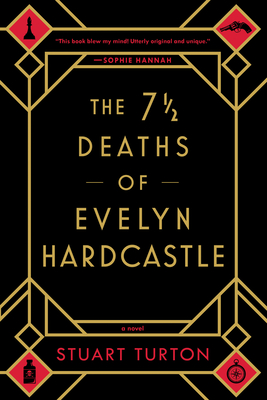
The 7 1/2 Death of Evelyn Hardcastle by Stuart Turton

Of all the books on this list, this was by far my favorite. I was a little apprehensive at first as the protagonist begins with amnesia, which is a trope I hate. But as soon as the reason for the amnesia was revealed I was all on board. It’s a crazy time travel mystery that I’ve been recommending to everyone, no matter what they normally read. It’s that good.

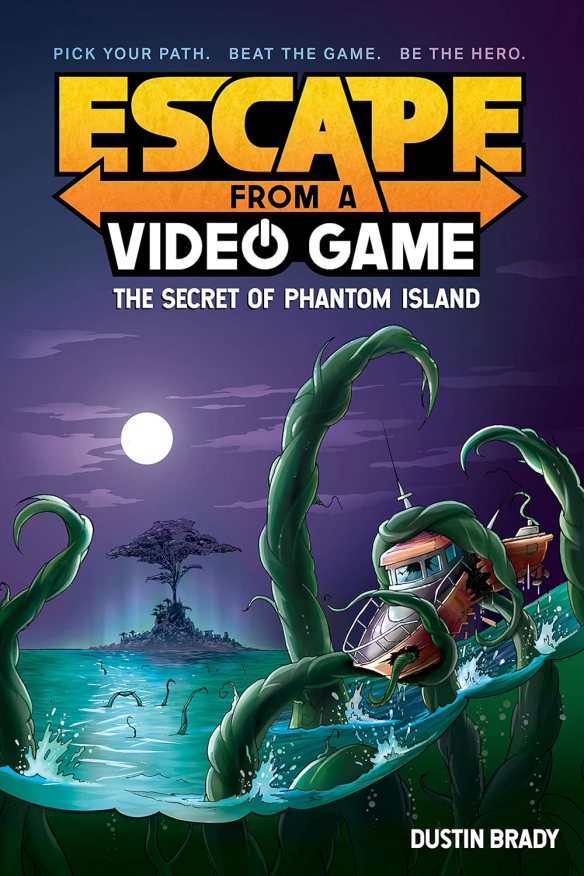
Escape from a Video Game: The Secret of Phantom Island by Dustin Brady

Every night I do a half hour of reading with my kid before bedtime. We grabbed this at the library since he likes video games and Choose Your Own Adventures. For a six-year-old, it was engaging, especially the puzzles where you have actual worksheets to fill out and keep track of your progress. For adults, there’s a fair amount of nerdy humor thrown in there to keep things entertaining for you as well.

Shuna’s Journey by Hayao Miyazaki

Another bedtime book, I also picked it because I’m a huge Miyazaki fan. It’s a graphic novel, so it’s a pretty quick read, and while the concepts were understandable for my son, I think the gravity of the situation won’t be appreciated until he’s a few years older. I wasn’t a huge fan of the ending, but if you like Nausicaa you’ll probably like this.

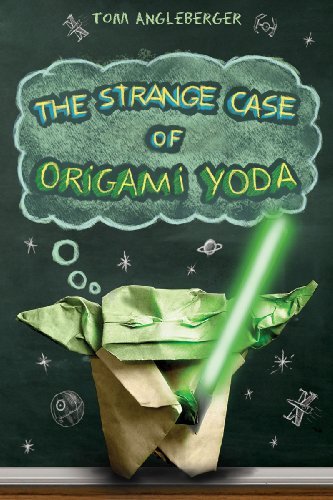
The Strange Case of Origami Yoda by Tom Angleberger

My kid likes this one enough that he got the whole series for Christmas. Some of the social situations are more appropriate for a middle grader, but the humor and the stakes are fairly universally understood. There’s a good amount of humor, and I particularly enjoyed the footnotes and the idea that multiple kids came together to make this case file.

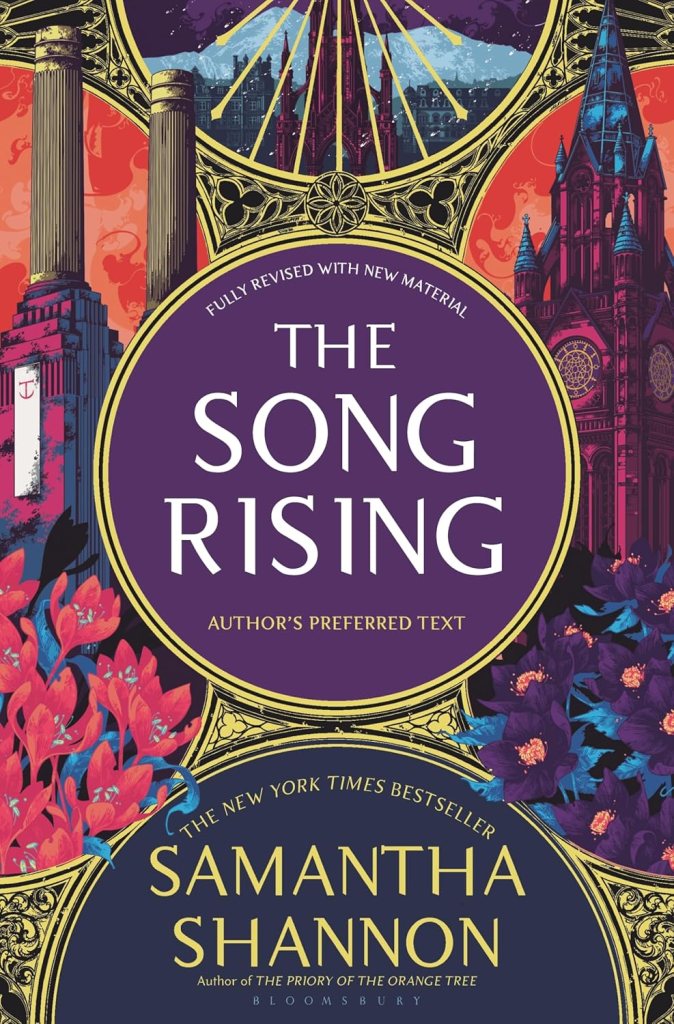
The Song Rising by Samantha Shannon

The third in the series, this one felt a little lesser than the first two, but still engaging (enough that number four is later on this list). As with most fantasy series, the stakes here get bigger and broader. Relationships get strained and people die. The charm of the story will always be Paige and how she navigates all the worlds (social, political, literal) she has been thrust into. And of course, wondering if she and Warden are ever going to hook up.

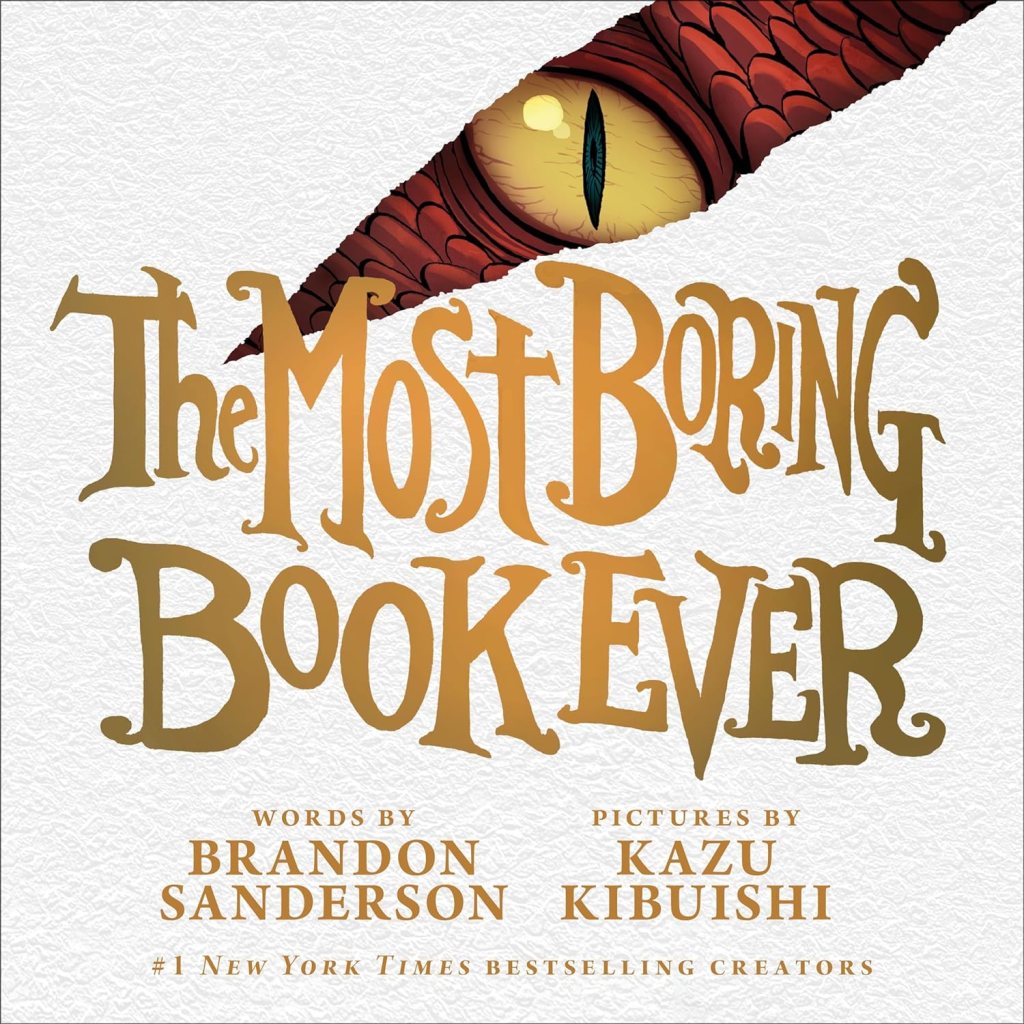
The Most Boring Book Ever by Brandon Sanderson

This was a bit of a let down. The premise is good, and the art is fun, but it came off more as a proof of concept than a successful application. It’s no secret I’m a huge Sanderson fan, and maybe I had some high expectations going into this having just finished a children’s book focused intensive two week class. Definitely one to check out from the library as opposed to adding to your collection.

House of X/Powers of X by Jonathan Hickman

Moira. Dang. I have a very broad, encompassing knowledge of most comics. I’ve got a few hundred in boxes in my attic and I read X-men novels as a teen. But I had no idea about Moira and what she can do and did do, over and over and over. This was a super fun read, especially if you like time manipulation stories, as I very much do. It’s incredibly satisfying to see different characters take different paths and to see them succeed or fail depending on choices. It’s like those What If scenarios playing out in front of you.

The Waste Lands by Stephen King

The third in King’s Dark Tower series, this follows Roland and his friends (not giving away any spoilers) as they navigate Roland’s expanding world in their search for the Dark Tower. As with his others in the series, time plays a huge role in the narrative, and how things may be different, but still somehow always stay the same. Technically, that can be said about any story since we can only write what we know, but there’s intentionality here. Also, riddles are fun. :)

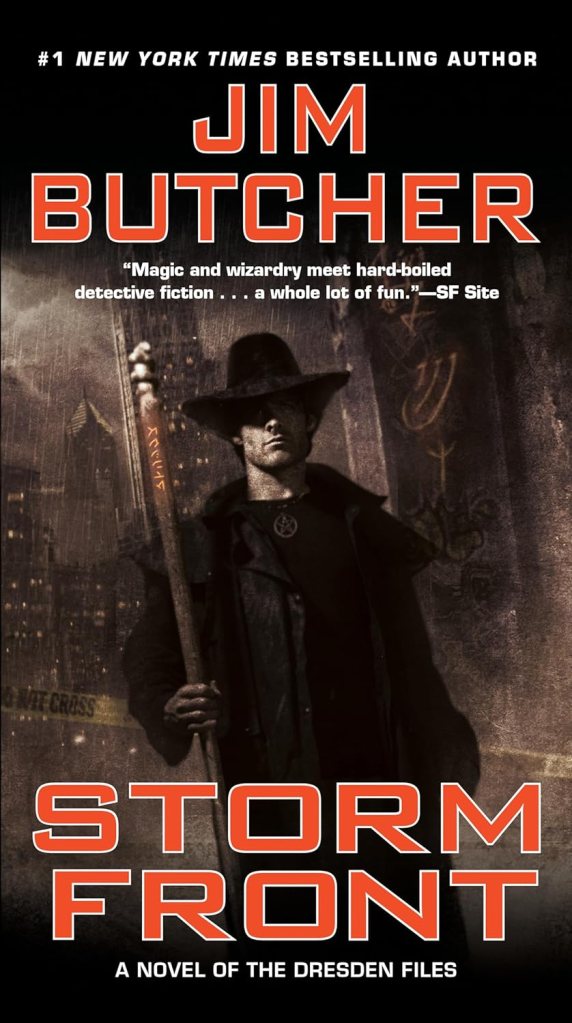
Storm Front by Jim Butcher

As part of the research for my thesis (I’m writing a fantasy mystery), I grabbed a few established examples to see how writers have approached the genre. Jim Butcher is probably the most well known, with the Dresden Files being the most well read. I really enjoyed his Cinder Spires books, and while this was a fun read, it didn’t have the same draw. Granted, Storm Front came out almost twenty-five years ago and was his first book. His writing has progressed since then. To me, Harry Dresden felt kind of like Gandalf. He occasionally did some neat stuff, but he often relied on others to solve his problems or answer his questions. I’m hoping as the series goes on he becomes more of a self-reliant protagonist.

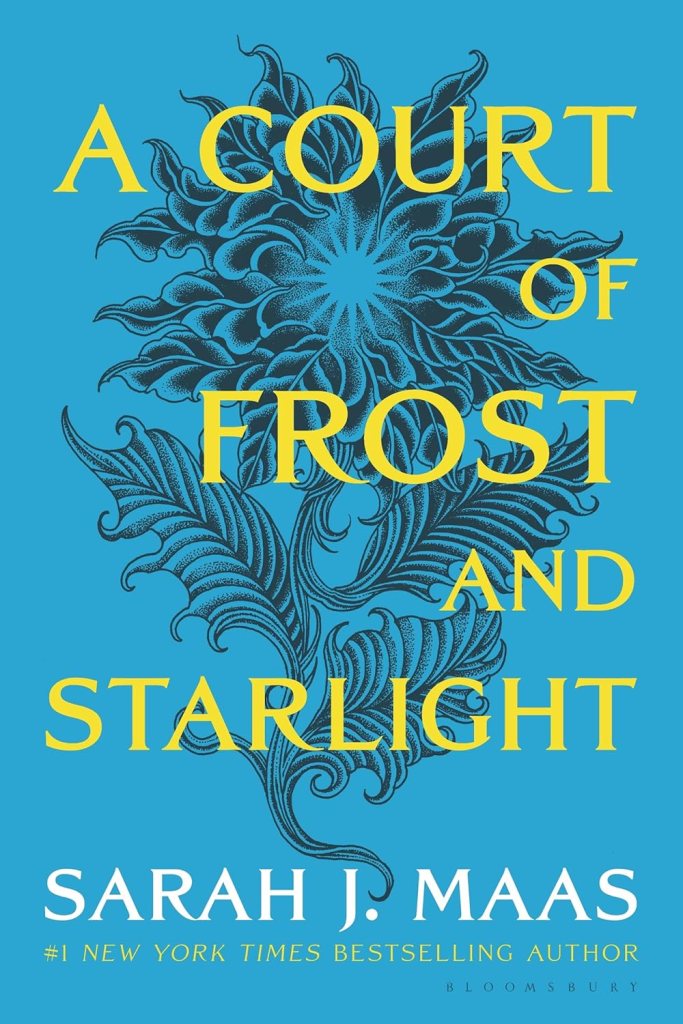
A Court of Frost and Starlight by Sarah J Maas

This was the Christmas themed mini book that came out after the trilogy. And I say mini comparatively. It’s normal length compared to most books. It was nice to take a break from the heaviness of the series, and while there were some cute things going on, I felt that a lot of the relationship tensions that were front and center never got resolved. They just became more build up for the next book. They only resolution came from Feyre’s art, which was nice, yes, but there’s more’s the just Feyre here. Hopefully the last book gives the satisfaction I’m looking for.

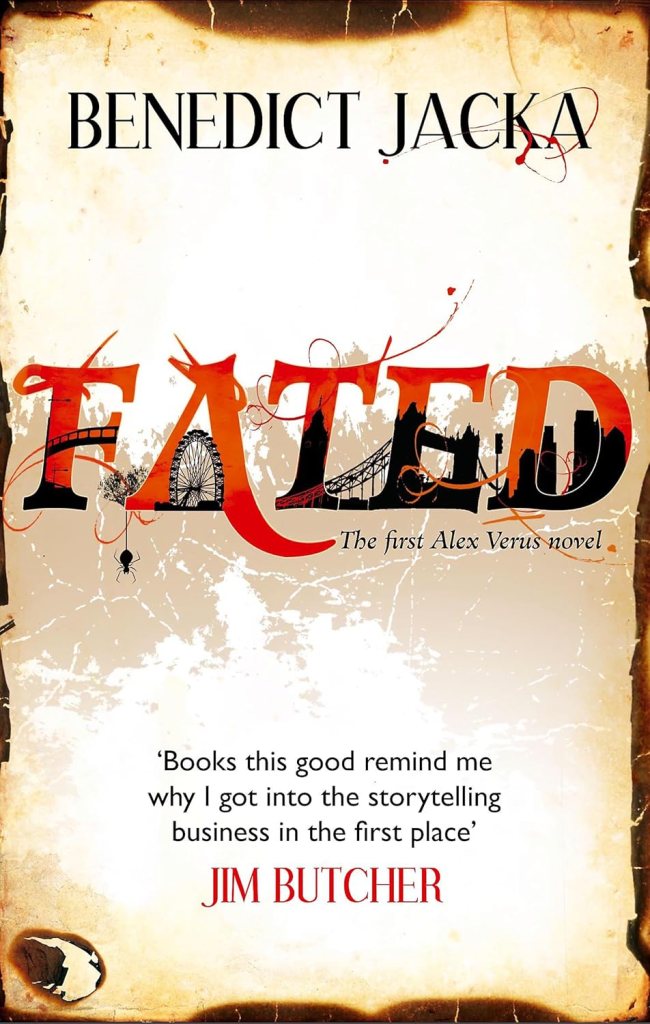
Fated by Benedict Jacka

The next of my research reads, this was the one I enjoyed the most. The protagonist is a probability wizard, meaning he can sort of see into the future. I’d already given my own protagonist a somewhat similar ability, so it was interesting to see how Jacka utilized it in a narrative. The characters were smart, unique, and the world was fun to read about. Never did I feel like I was slogging or floundering, and I kept wanting to turn those pages. Of the fantasy mysteries, this series is the one I most want to continue.

This is How You Lose the Time War by Amal El-Mohtar and Max Gladstone

This was recommended to me as I was in the middle of working with an editor on an epistolary short story (which is being published this summer!) as a great example of epistolary prose. Plus, time travel! It was a relatively quick read, but there were sections that were fairly dense and required a bit more attention as I read through it. My favorite part, not being shy about my Shakespeare fandom, was when I thought, oh, they’re totally going to do a Romeo and Juliet thing here. Then Romeo and Juliet was referenced by name, followed by other key moments I won’t spoil. Then science was fun, the relationship was fun, and the form was fun. Just fun all around.

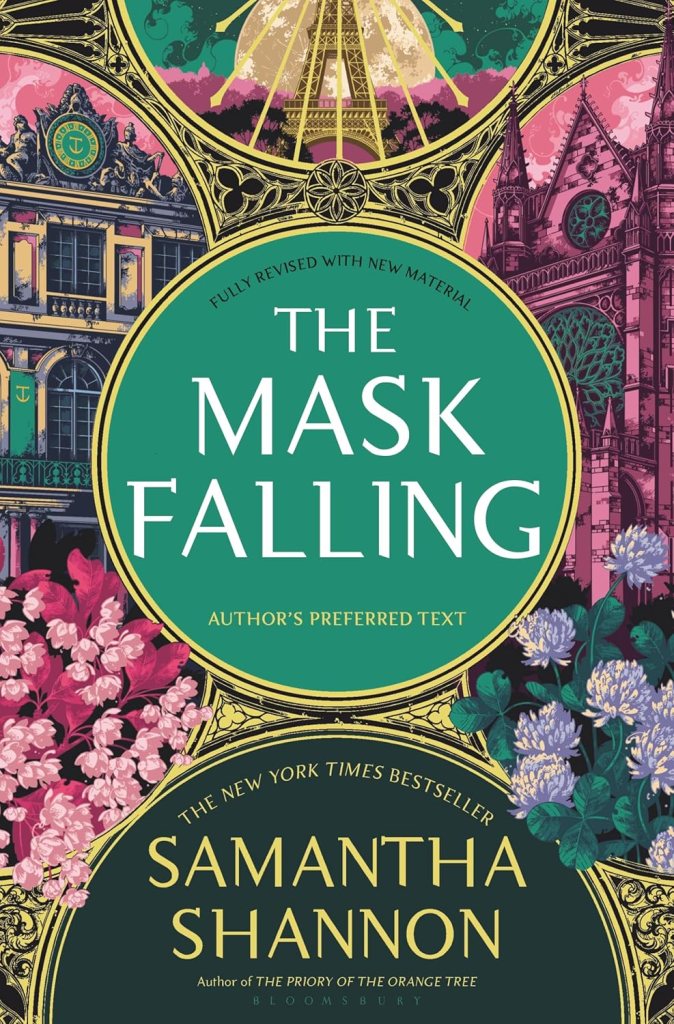
The Mask Falling by Samantha Shannon

Book four in the series, this one benefited by giving us a new setting as well as time to sit with Paige and Warden for more than a minute without someone trying to kill them. There was a reveal that I’d figured out in the first book, so that was a bit anti-climatic, but it’s still refreshing to see Scion through a different lens, and somewhat further away. As always, I’m in awe of Shannon’s breadth of knowledge of language and culture and history.

Midnight Riot by Ben Aaronovitch

You always hear people say you need a strong opening sentence, or opening paragraph. Well, this book had one of the best opening pages I’ve read in a long time. Enough that I took a picture and sent it to my MFA peeps. Aaronovitch has a fun, witty voice that never appears to be trying too hard. My only complaint about the book what that it fell victim to one of the suckier detective tropes of misogyny. I don’t mean to imply the author is, but for once I’d like to read a straight male detective protagonist who doesn’t see all women as pieces of meat.

The Road by Cormac McCarthy

Dark. Depressing. And literally dark. Post-apocalyptic nuclear winter dark. It won a Pulitzer, with good reason. The whole story focuses on the relationship between father and son as they try to survive in the wasteland they now live in. Hope and love are the drivers of survival, both of which are tested in very real, relatable ways, even if they exist in a very different reality. Also, not being able to picture things in my mind, I have a very high tolerance for gore and grossness. There was one paragraph in this book that was the most disturbing thing I’ve ever read. Ever.

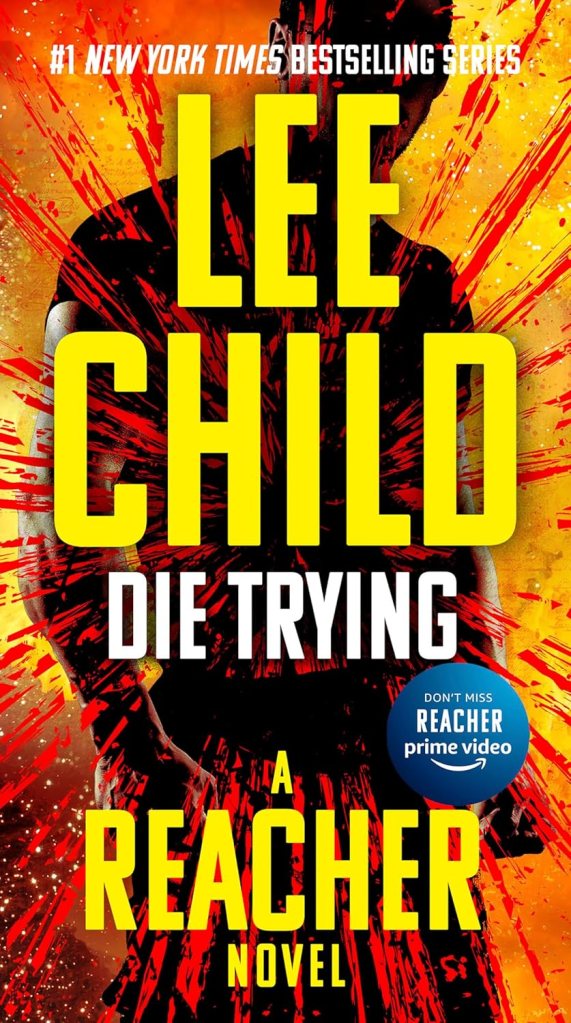
Die Trying by Lee Child

Book two in the Reacher series, we see Reacher caught up in something again because he was in the wrong place at the wrong time. No improbable family connections this time, but still a lot of the calm, collected, violent Reacher we expect. I felt like this was almost two books in one, with two very distinct sections that each start and end abruptly. It works, and makes sense, but still very abrupt. I mentioned earlier I wanted to see a detective who sees women as more than a piece of meat, and to his credit, Reacher does that. But I also wonder if he’s going to hook up with every hot lady he ends up working with. If hook ups happen authentically, no big deal. But if this happens every book it’s going to get awfully boring.

Berserk Deluxe Edition, Vol. 1 by Kentaro Miura

Last on the list is this massive tome, a manga collection from the series Berserk. I happened upon it randomly at the library, where they had all fourteen of them in a row begging to be inspected. I knew a little of the premise from seeing some of the anime, but I was not prepared for the level of gore. It was stylized, almost comical at times, but it was a lot. And Guts is a bonafide A-hole. But I tore through the whole thing in one evening, so it was definitely engaging. I think I kept burning through it wondering what could possibly happen next, given the ridiculous images I was seeing. I’ve got Vol. 2 on hold at the library, so we’ll see how it progresses. If it’s stays as engaging, it seems I’ll have quite a bit to get through.

That about wraps it up. I don’t think my goal will be quite so high in 2025 as I have to finish thesis on top of another class, and my daughter is now crawling so a lot of my day will be chasing her around and making sure she doesn’t break/kill herself, which is all a parent really needs to do the first two years :)

And the next books on the list, each of which I’m partially through, are Wind and Truth by Brandon Sanderson, Lincoln in the Bardo by George Saunders, and Wizard and Glass by Stephen King. Happy reading, and let me know if you found any of this helpful, or if you agree or disagree about any of these.

Recent Reads: Good, Bad, and not too Ugly.

So I’m in the middle of thesis and that doesn’t leave much time for in depth book reviews. Instead, I’m going to just list what I’ve read this year that hasn’t yet received a full review and give some brief thoughts.

(in order of when I read it, oldest to most recent)

Edgedancer by Brandon Sanderson

I’m 99% certain a portion of Edgedancer appeared in a short story collection, because I know I’ve read the first section before. But that was maybe a quarter of this text. The rest read like typical Sanderson, and that’s definitely not a bad thing. I like Lift’s character: she’s fun, funny, and most of the time her thoughts and speech are appropriate to her age. The only criticism I’ve ever had of Sanderson involves his portrayal of young voices, and a few times that stuck out in Edgedancer. But still a very fun read, and integral to the events on Roshar and the greater Cosmere.

Black Canary: Breaking Silence by Alexandra Monir

This is one of those stories that relies on the reader to blindly accept the state of the world. The Court of Owls has taken over Gotham, oppressed women, and the rest of the country and world didn’t care? Really? Assuming I buy into this (which I have to if I want to keep reading), it was an interesting exploration of what would happen to the next generation of superheroes, how and why they make the decision to resist. As with many YA books, I felt the social/moral lessons lacked any semblance of subtlety, treating the reader almost like an idiot. Not a fan of that part. I was going through each of these DC YA books, but I think I’ll take a break after this one for a bit.

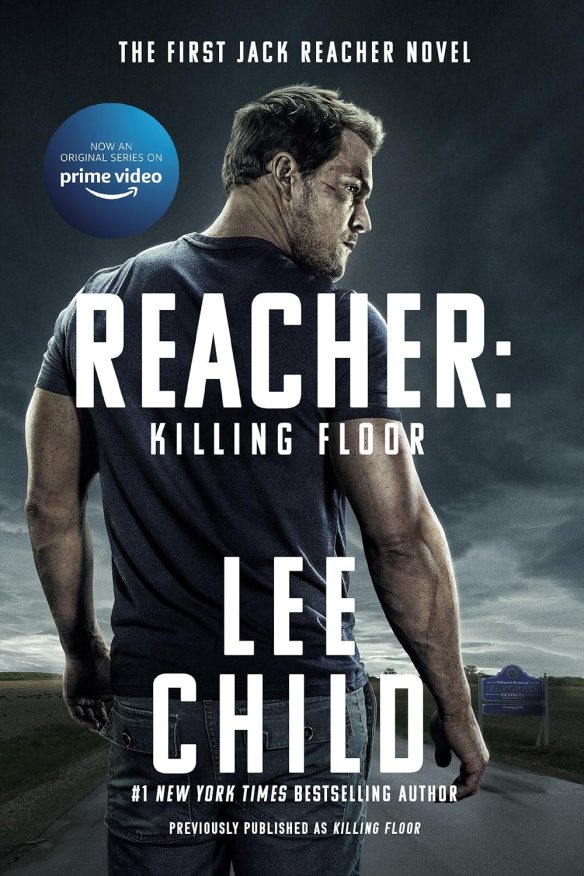
Killing Floor by Lee Child

The most interesting aspect of this read was that I’d recently watched the TV show, and the first season is based on this novel. It’s the first Jack Reacher story, so while the reader is meeting this character for the first time, I’d already met him on screen. And I knew what was going to happen. Luckily, enough creative liberty was taken in the show that the book was still surprising and entertaining. I was also trying to pay attention to the craft of the book, how the mystery was put together. I heard after the fact that Lee Child doesn’t outline, and that makes a certain amount of sense. It’s a good thing I liked it, because Goodwill has filled my shelf with almost all of the others in the series.

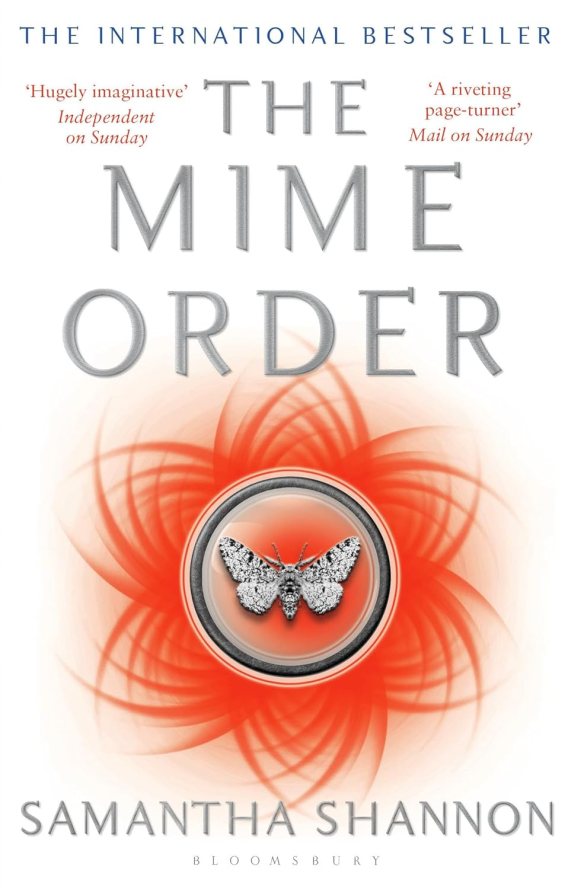
The Mime Order by Samantha Shannon

The Mime Order is a worthy successor to The Bone Season, though it’s an entirely different type of book. The Bone Season was a survival story, leading into rebellion, and The Mime Order is a political story fueled by the desire for that rebellion. Samantha Shannon does a marvelous job with world-building and thinking out how her story decisions would actually impact the people and society. Also, she sure knows how to set up rivalry and animosity. Makes any comeuppance incredibly satisfying.

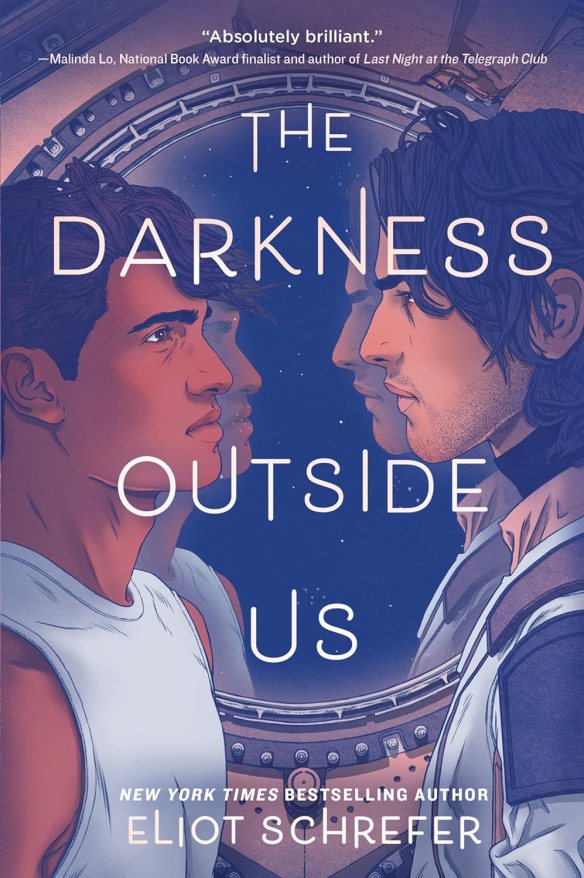
The Darkness Outside Us by Eliot Schrefer

I’m pretty good at sussing out clues and figuring out where a story is going to go. While I did guess the general thrust of what was happening in the story, as the specifics unfolded I was continually dropping my jaw. Multiple “oh shit” moments. And as much as I enjoy a good science-based sci-fi story, this really was a love story that happened to be in space. And that worked wonderfully.

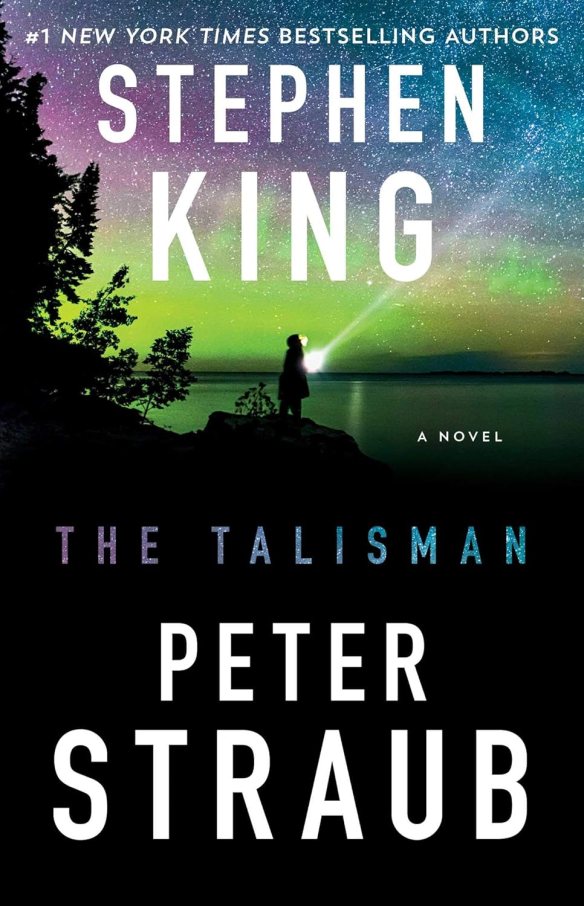
The Talisman by Stephen King and Peter Straub

I’ve been reading through The Dark Tower series and all its related writings. I’m assuming the Territories are where Roland comes from, or perhaps where he’s from is affected by them. I’ll probably find out in The Waste Lands. On its own, The Talisman reads more like a magical realism story than horror, even though my copy’s cover hyped up the horror aspect a ton. It had a really slow start to it, though I find that tends to be true with most Stephen King that I’ve read. In order to care what happens to the character, you have to care for the character, and he certainly gives you all the background with which to start caring. The prose was engaging the whole way through, and my only real criticism was that I felt that the story lacked purpose at the end. Yes, Jack learned truths about himself and his family, but so what? Why is that important? It was entertaining, but not fulfilling.

The Name of All Things by Jenn Lyons

The sequel to The Ruin of Kings, The Name of All Things picks up immediately where the last book left off. And also it doesn’t. Like the first book, the narrative structure of the story is told largely in people’s accounts of past events. So for the first 80% of the book there are brief sections in present day, but everything else is people talking about what they’ve been doing for the last handful of years. This isn’t a bad thing, and I’m actually rather curious as to how this continues into the next books. Are we finally going to get Thurvishar’s story? It was fun seeing how the events of the two books crossed paths both in the past and how they met in the present. And I can’t overstate how much the world and magic are integrated into the people and the story itself. Fantastic. This is probably my favorite book on this list.

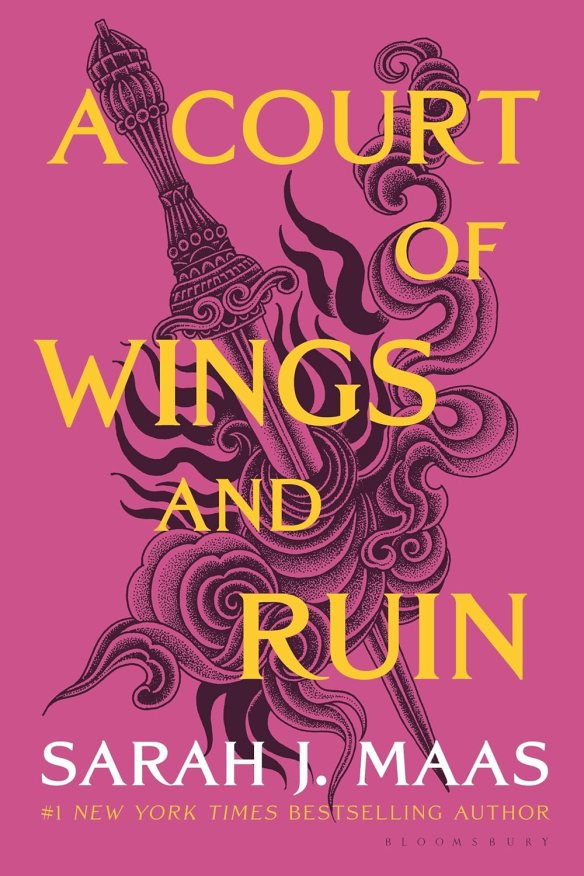
A Court of Wings and Ruin by Sarah J Maas

This third book in the Court of Thorns and Roses series was the strongest of the three by a healthy margin. Why? Character growth. Character agency. Stakes that weren’t relying on spectacle. Crazy monsters and epic battles (yes, I know this has both) are fun, but they aren’t the reason we read a book. I feel like there were hints of this stronger storytelling in the earlier books, but Maas has really started to figure everything out in A Court of Wings and Ruin. Though I still think the fairy tale allusions would work better with a lighter touch. I wasn’t expecting to come across the swan princess in this read, and even now that’s how I remember that character.

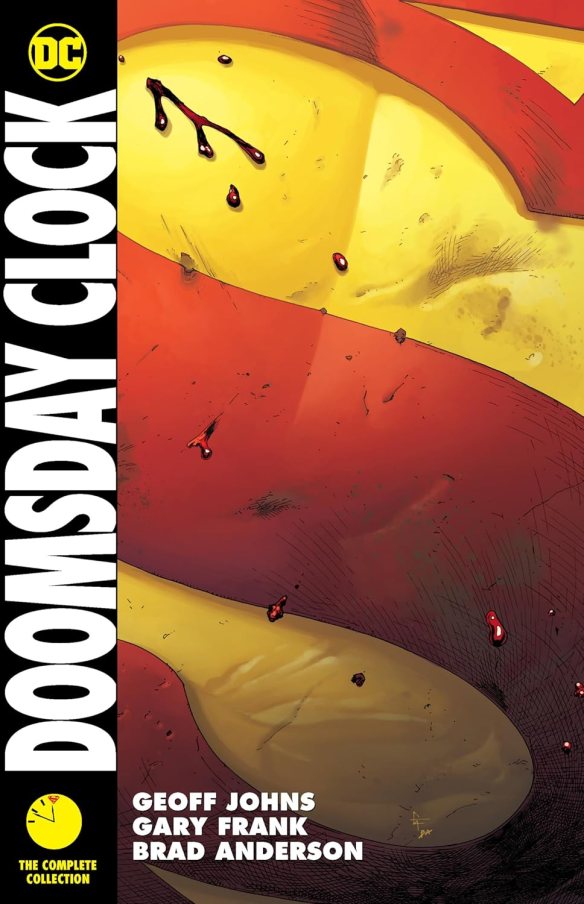
Doomsday Clock by Geoff Johns, Gary Frank, and Brad Anderson

My only exposure to The Watchmen prior to reading this were the Zack Snyder film and the HBO series. Both of which I really enjoyed. I very much enjoyed how they poked at the idiocy of the politics in this country, in particular a certain long-tied leader. But I also enjoyed how they brought Watchmen into the greater DC world. I do get tired of the “OMG Superman is the best hero ever and always will be” shtick, but I was glad that he didn’t just show up and win. I enjoyed the Rorschach storyline the most, followed by Dr. Manhattan’s origins. Those photographs were fun ways to show just how tormented he’s been.

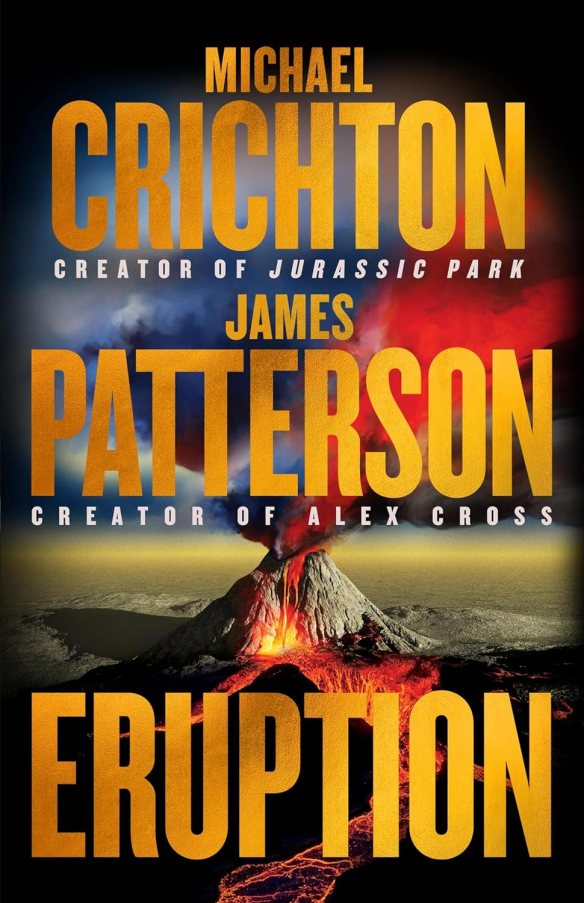
Eruption by Michael Crichton and James Patterson

I was asked the other day which writer had influenced my writing the most, and my answer was MIchael Crichton. I remember reading Jurassic Park, and shortly after that, Timeline, and being in awe of how he could take real science, make one little leap, and have a whole engaging story unfold based on the 99% truth of that scientific foundation. Much of what I write now has science integration, and I credit that 100% to Crichton. Now, since he passed many years ago, it’s been a while since I’ve read one of his novels. I don’t remember the chapters being as short as they were in Eruption. I’m going to go ahead and attribute this to Patterson. I don’t think this was a bad choice, just a different choice. I like Patterson, both his Alex Cross and Maximum Ride stuff, and I think he was a great choice to get the feel of Crichton, even if I could tell there was a difference pretty quick. I was expecting crazier at the end, and yet there were still surprises in the specifics. And Mac really needs to get laid.

The Black Book by Edward W Robertson

I finished this one yesterday at my kid’s soccer practice… audiobooks are super convenient. It’d been a while since I read one of Robertson’s books. I started a long time ago when the first three were available as a free Audible download. This is the second book in a prequel series, and while it was entertaining—Robertson always does fun banter with his characters—I don’t feel it was particularly unique in his world, especially after reading soooo many of them. Cally read a bit like Dante, but the other characters were their own people. Do I regret reading this? No. It had fun moments and has set up for some craziness in the next book. Do I think it deserved a bit more attention to pacing and realization of stakes? Yes.

There were some non-fiction books in there as well that I won’t review because they’re writing aids and if that’s what you’re looking for, you’ll have already found it. The three I read were How to Write a Mystery, edited by Lee Child, Writing Picture Books by Ann Whitford Paul, and Save the Cat! Writes a Young Adult Novel by Jessica Brody.

The short and sweet: How to Write a Mystery was not helpful. Save the Cat! Writes a Young Adult Novel had some good tidbits. Writing Picture Books had a fair amount of good advice. Though I did have to question everything Whitford Paul said for a while after she said chicken could be better than hamburgers. No. Just, no.

That’s all for now. I started The 7 1/2 Deaths of Evelyn Hardcastle just as soccer practice was getting over. Hopefully I’ll have enough time to give it a proper review.