2025 Reading Recap

It’s that time of year again. Time to look back at all the things I’ve read, think about all the time I spent not playing video games or writing or Lego or doing things with my family. If I manage to finish my current read I’ll be at 36 for the year. Not as much as last year, but I’ve had considerably less free time this year.

Here’s a breakdown (in roughly the order in which they were read) with a quick snippet of my thoughts:

The Brightness Between Us by Eliot Schrefer.
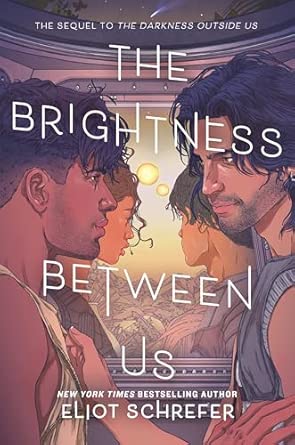
The sequel to The Darkness Outside Us provides a before and after of the events of the first book. It’s tragic in that you can (intentionally) see downfall and heartbreak coming, and hopeful in that love will always find a way.

Berserk, Volumes 2-11, by Kentaro Miura
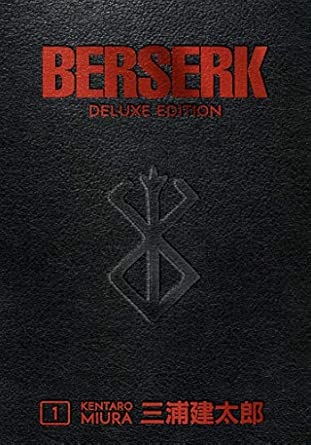
I watched the animated movies a few years back and when I saw these giant tomes on my library’s shelves, I had to see what it was about. If you enjoyed the world of Berserk, it was nice to see the larger story. But oh dang is it gory and rapey and it does nothing to romanticize either of those traits. At points I wanted to be done with it, but as with many stories, I wanted to see how it played out (though I have stalled out at Vol 11).

Wind and Truth by Brandon Sanderson
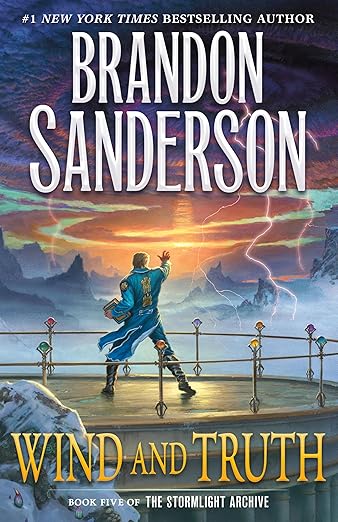
Probably my top book of the year, this did a better job than its predecessors in its integration of characters’ physical and mental impairments. Prior books seemed to err on over explanation when the risk of overlooking aspects was present. This book relied more on connotative readings than denotative explanations, which I very much appreciated.

The Wild Robot by Peter Brown

I started reading this to my kid before bedtime and it was refreshing to experience the innocent experiences of the robot and its understanding of the new world around it. Heartbreak was real and natural, and it never felt like it was trying to teach a lesson even though it very much was.

Tripwire by Lee Child
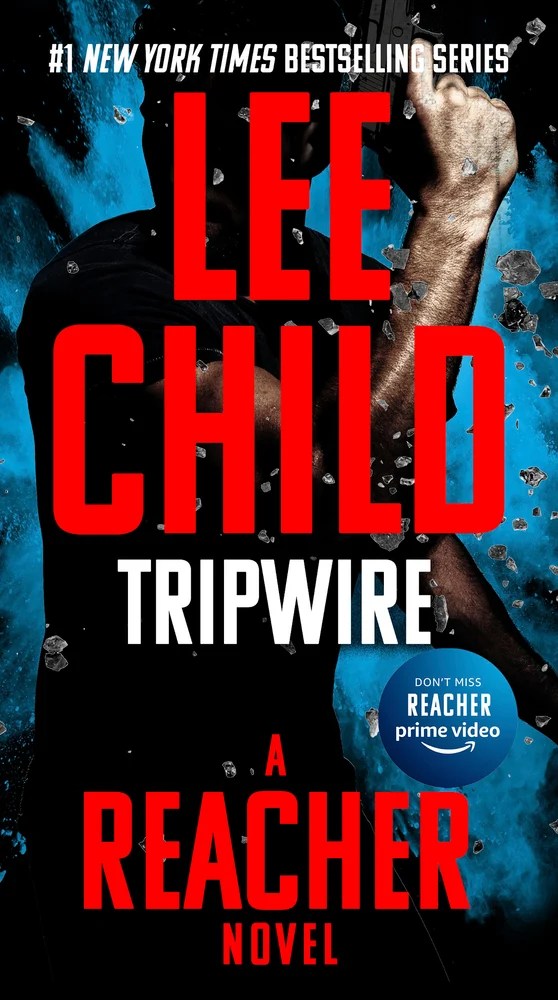
At this point in my life it’s hard to truly surprise me with an earned plot twist. Tripwire toed the line between earned and unearned, but the resolution was satisfying enough that I didn’t care. This felt like the third in a trilogy as opposed to number three of many, so I’m curious as to how number four presents itself.

The Memory of Souls by Jenn Lyons
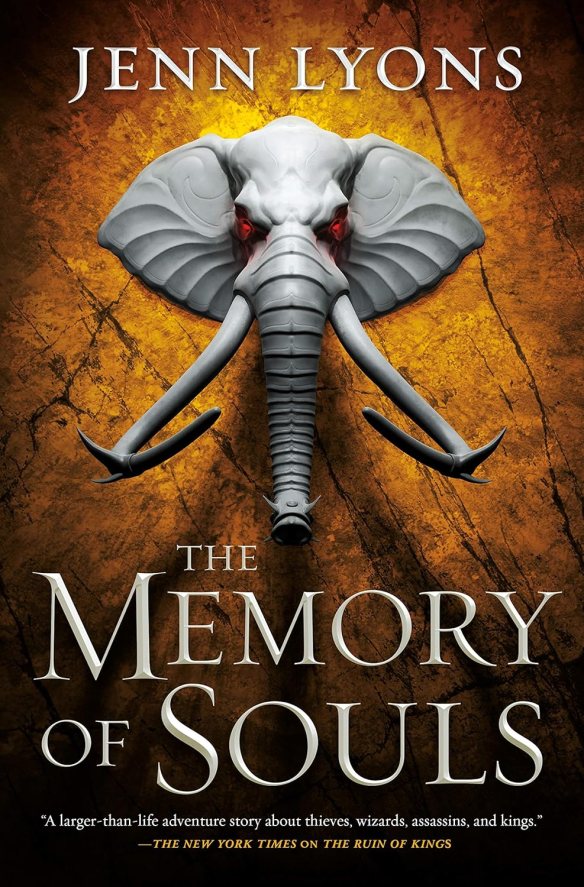
I’ve said before that Jenn Lyons is a fantastic world-builder, and this book only further reinforces that opinion. Hints and offhand comments from prior books become important and narratively impactful in ways that continually impressed me. While this series (like Sanderson’s Stormlight) falls victim to heavy-handed ethics explanations, this book did a good job of presenting issues in a more natural manner.

The Broken Eye by Brent Weeks
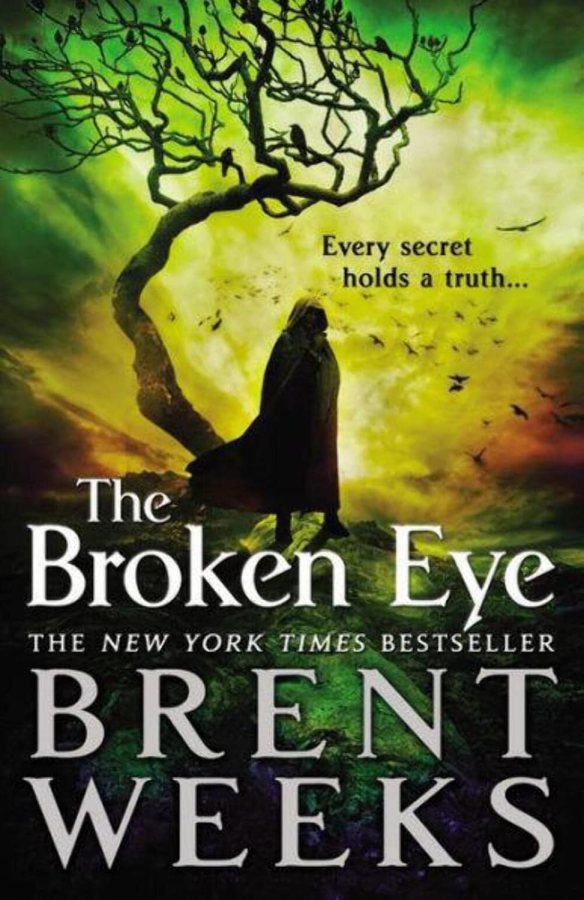
As with the prior two Lightbringer books, Brent Weeks once again makes me want to hate him. The last two books each introduced a concept that I’d already been planning on using in stories of my own. So did this one. But my hatred is a joking hate. I really enjoy the books, and The Broken Eye was a great stepping stone into wider stakes for Kip’s world.

The Girl Who Loved Tom Gordon by Stephen King
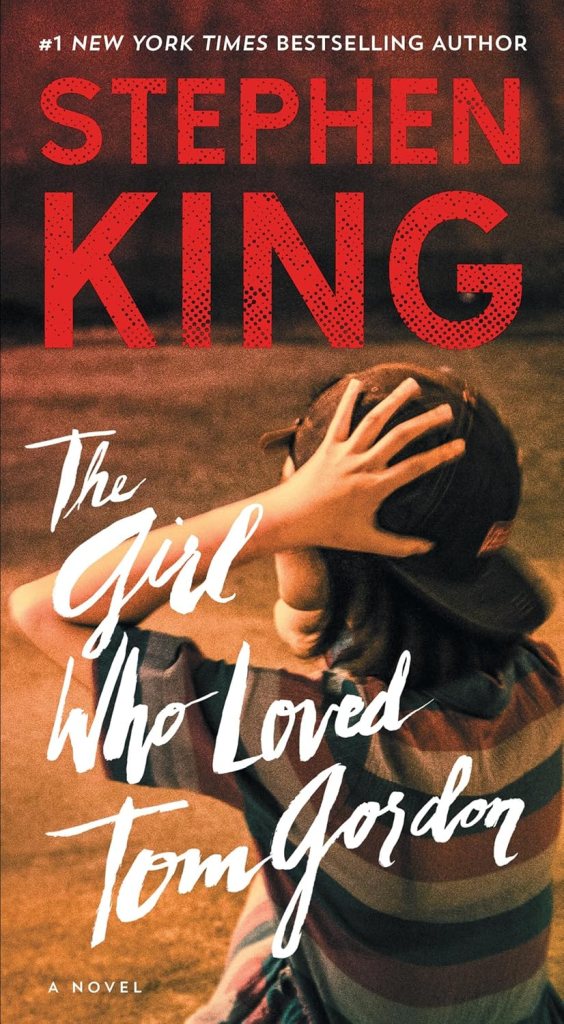
Many years ago I bought a pop-up version of this book. It was adapted from the original by another writer, though King’s name was still on it. I wanted to give the actual book a go and, as always, I’m super impressed by and envious of Stephen King. This is a great personal stakes story which blurs the line between reality and psychosis/terror, and I will always be drawn into a story with a good baseball hook.

The Blood Mirror by Brent Weeks
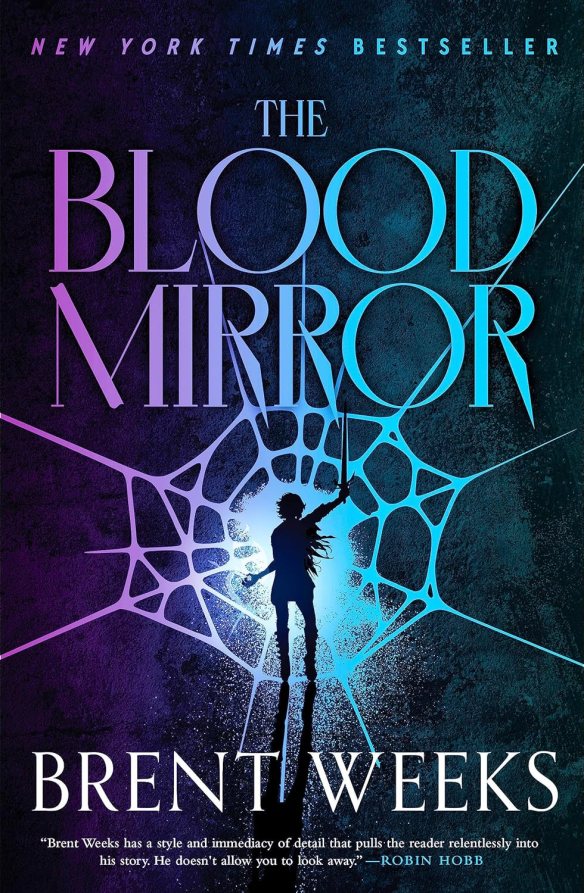
Finally, a Brent Weeks book that doesn’t preemptively steal my ideas 🙂 I’m writing this after finishing the whole series, and it’s safe to say this was the book that struggled the most, but as with any book that advances weeks or months between chapters, there’s a lot of room for lost investment. It wasn’t a bad book, but I was definitely ready for the next one (which was as good as the previous ones).

Lincoln in the Bardo by George Saunders
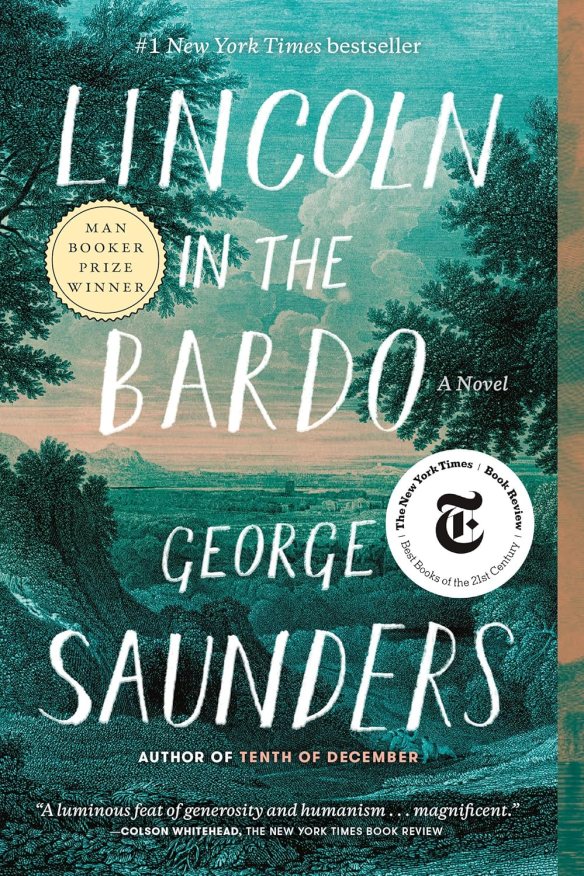
Weird. Just… weird. I love the idea of working real history into a story, and Saunders does a great job presenting the history—both the actual accounts and his fictionalized ones—so that I couldn’t always tell which were real and which weren’t. I listened to the audiobook for this one, and Nick Offerman really brought some fun life into all the death.

Amulet, books 1-4, by Kazu Kibuishi
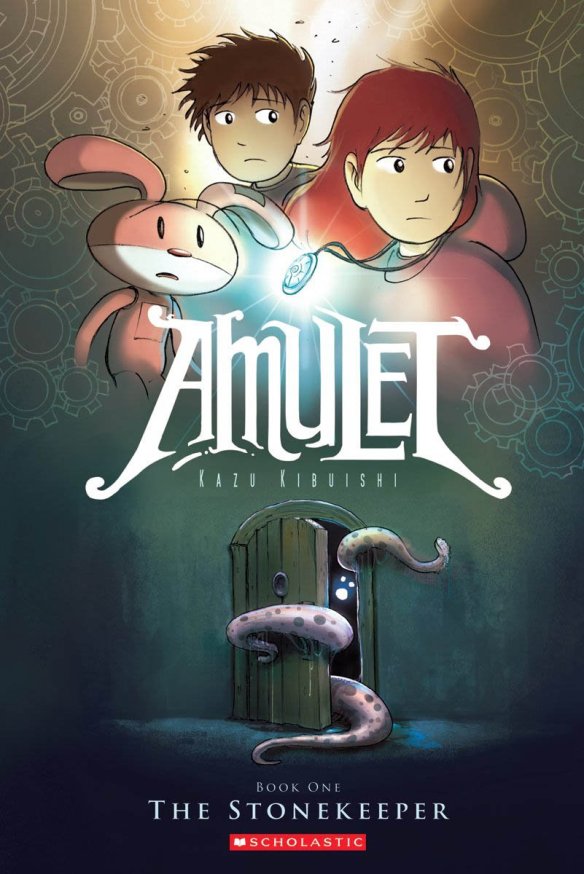
Another before bedtime read with my kid. I can see why these are so popular and are in so many classrooms I visit. The story and stakes are both serious and heavy, but not so oppressive that my second-grader is dissuaded from reading it. These books made me want to write graphic novels.

The Lightning Thief by Rick Riodan
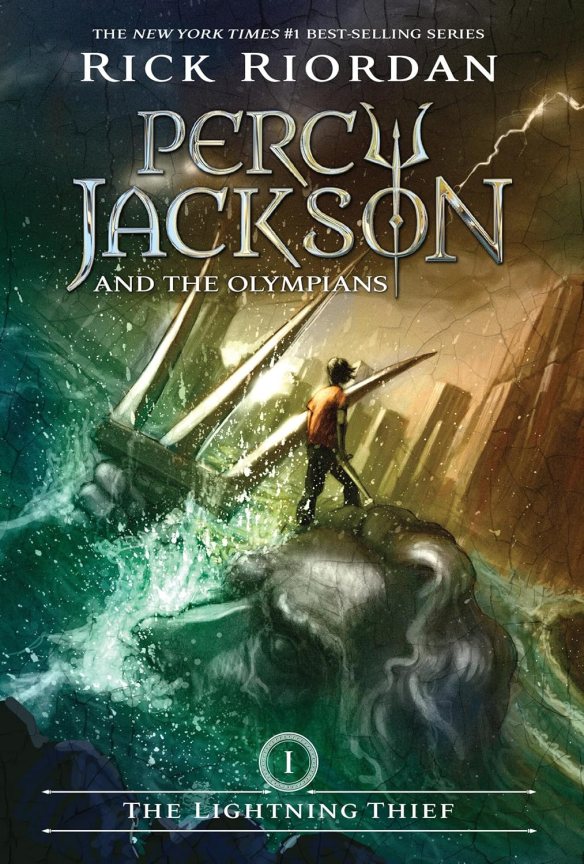
I’d never read this growing up, though I’d watched the movies (where my crush on Alexandra Daddario started) and the new TV show. My wife kept saying how funny the books were so this was another bedtime read with the kid. I think watching it first made some of the twists less surprising. But I also think it’s written as early YA for a reason. What’s predictable and tropey for me will be novel for younger readers.

White Sand by Brandon Sanderson
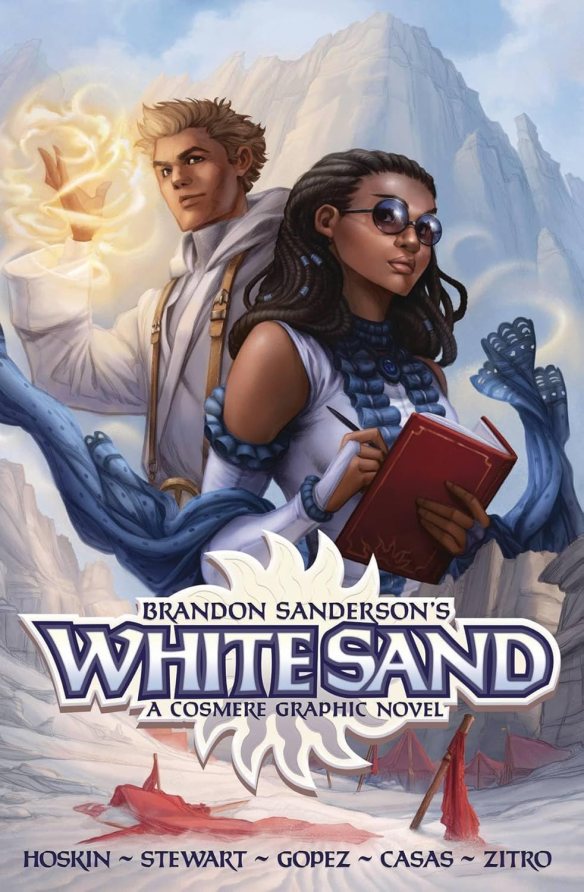
As with all Sanderson, fun concept and fun magic. I think the medium of graphic novel missed the mark though. Even taking into the account that I can’t picture things in my mind and that visual mediums are super intriguing to me, there were so many times reading this that I thought it’d work better as a traditional novel.

A Court of Silver Flames by Sarah J Maas

The worst of the ACOTAR books by far. The only reason I continued to read was because Cassian needed a better ending and I really wanted it to happen. Nesta’s whole arc was forced and she was a terrible character. Any by that I don’t just mean her character was a terrible person (which she was) but that the presentation was done terribly (which it definitely was). The massive increase in explicit sexy times wasn’t enough to make up for Nesta being Nesta.

Billy Summers by Stephen King
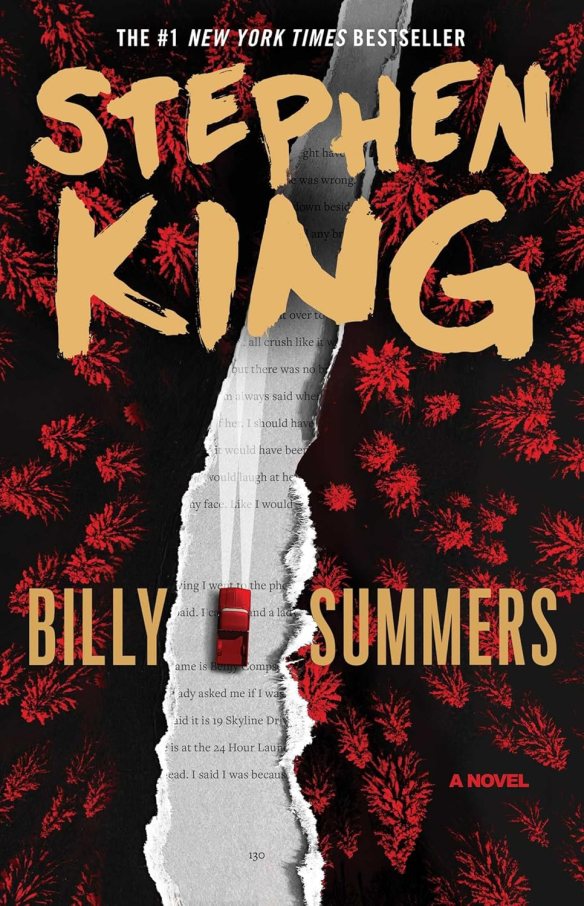
I have a friend who is convinced that everything Stephen King writes is straight horror. Or, he was and now only claims that to bug me. This is a great King story that shows how great of a character writer King is. There’s only the barest hint of the supernatural toward the end, and it was more of a nod than real story integration. Billy Summers is a good bad guy and a bad good guy and the whole book is him figuring out which one of those he is.

The Silent Patient by Alex Michaelides
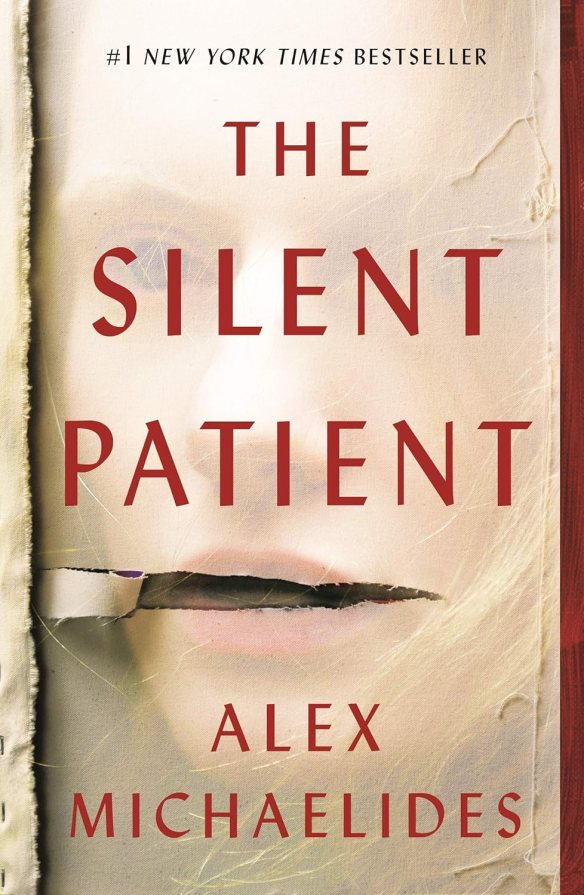
I want to praise the book without spoiling the ending. I only figured it out about halfway through, which is high praise from me. And as someone who primarily reads sci-fi and fantasy, the fact that a story set entirely in mundane reality was able to engage me says a lot about its effectiveness.

The Burning White by Brent Weeks
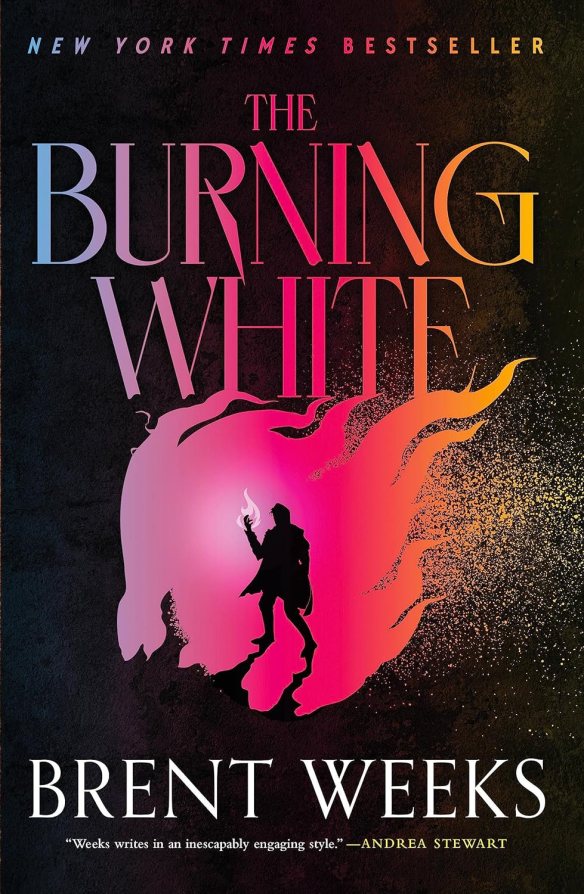
The Lightbringer finale. As with most fantasy books, there’s an epic battle. I feel like the one battle was a third of the book. And that’s not a bad thing. At this point there are so many characters the reader has become invested in that each of their roles in that battle are equally emotionally important and so instead of one long tiresome battle, it feels like a whole bunch of smaller arc climaxes all climaxing together. Yeah, I know how that sounds. I said what I said.

Isles of the Emberdark by Brandon Sanderson
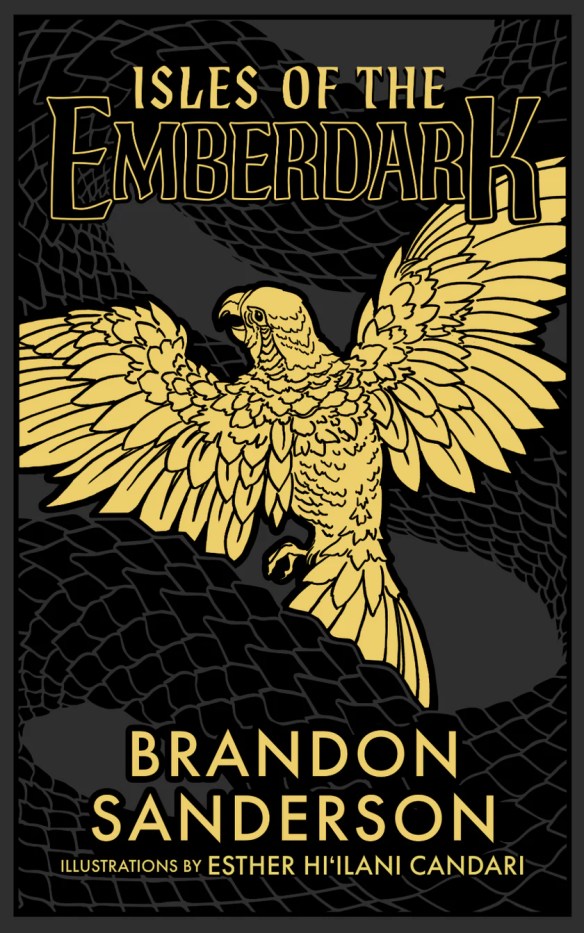
This was a fun journey back to a great Sanderson short story. Unfortunately, the book seemed like a vessel to introduce a character/set of characters into the greater Cosmere as opposed to a solid narrative of its own. There are two main POVs, and I don’t think either got the time they deserved or that we needed.

The House of Always by Jenn Lyons
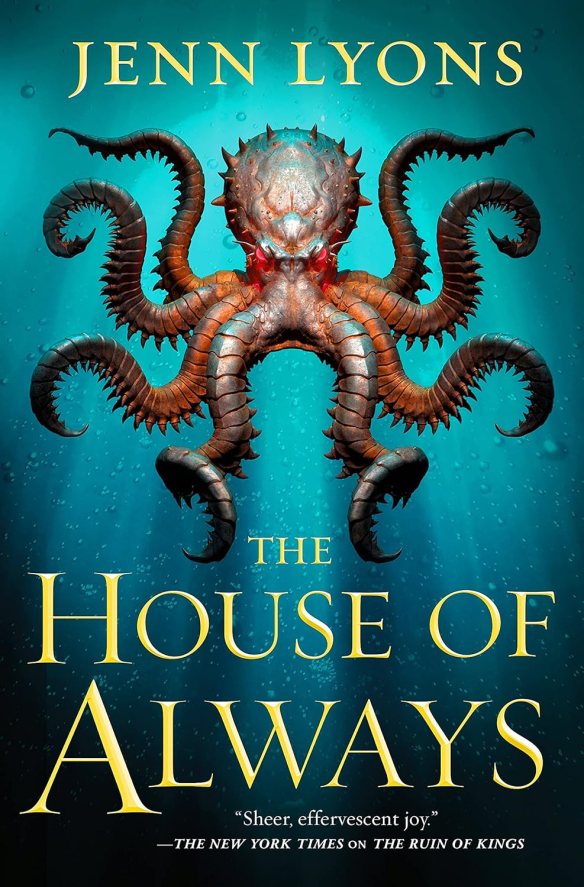
The fourth in the Chorus of Dragons series, the narrative is presented much like the others, in real-time as well as personal accounts of past events. In this book Lyons really starts to weave together many of the until now disparate characters, especially since most of them are forced to be in the same physical space for a majority of the real-time narrative. This was less world-building heavy than the prior books, and more character driven.

The Book Thief by Mark Zusak
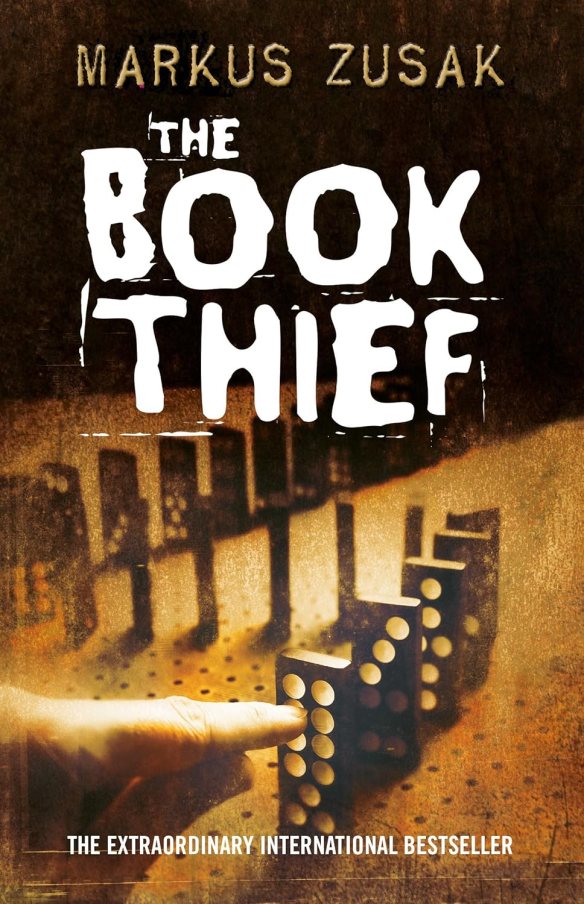
I read this because of a recommendation pertaining to the book’s narrator: Death. A YA WWII book following the life of a young German girl, it was a presentation of events I’d not seen before. There are tons of books from the Jewish perspective or an American perspective, but this was the first I seen about a young German. There were some fun narrative tricks and strategies that paid off well by the end.

The Dragonbone Chair by Tad Williams
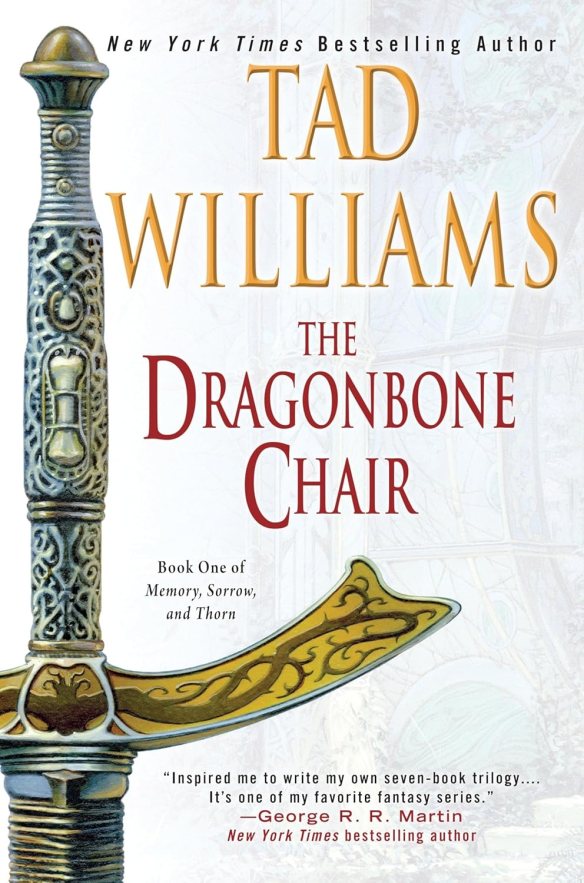
Given that this book is almost as old as I am, it’s hard to know what was innovative and what is just trope regurgitation. I’ll give the benefit of the doubt and say that some of the concepts were novel. With that assumption, my biggest criticism is that it took forever to get going. It’s a long book, and the first half felt like exposition forced into a narrative. It was early mainstream fantasy though, and the genre was still trying to figure things out.

The Lathe of Heaven by Ursula K. Le Guin

If you’ve ever come across the idea of making a wish from a genie but not being specific enough and things go horribly awry, this is that story but without magic. Well, without that label. It was a fun, quick read that was fueled by a concept and the ethics surrounding it. My kind of story. 🙂

A Day of Fallen Night by Samantha Shannon
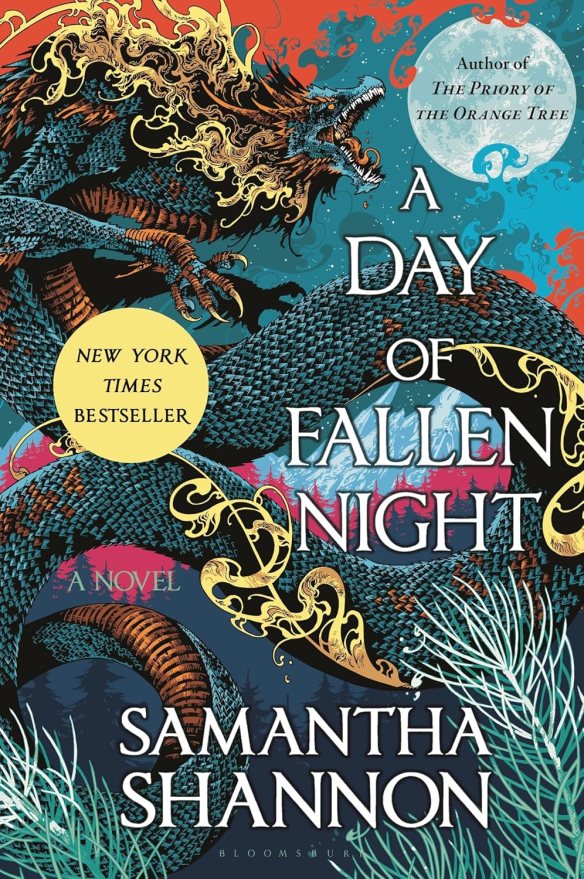
I criticized Dragonbone Chair of starting too slow and gave it a pass because of when it came out. This book doesn’t have that excuse. There’s fantastic world-building and eventually it paid off, but it took a little bit to get there.

That’s 2025. In 2024 I noticed a reading trend: time-travel stories. Very straightforward and blatant. This year was less straightforward. But if there’s any sort of through line it’s that I read books that focused on how their worlds worked—ethically, structurally, emotionally—and that I had little patience for stories that confused explanation with depth.

My current read is Kindred by Octavia E. Butler and waiting in the wings is How to Live Safely in a Science Fictional Universe by Charles Yu, so we’ll see how those influence what’s to come in 2026.
Abbreviated Books Reviews Pt. 2

I ended 2023 with over 50 books read. I decided that if I was reading that much I’d be able to write a fair amount of regular reviews. That didn’t play out as I’d hoped. Between welcoming a new baby, becoming a stay at home dad, and starting thesis for my MFA, I’ve had not nearly enough time. That being said, I did manage to read 41 books this year, a bit shy of my 50 book goal. Here are my thoughts on those I’ve read since my last update.

(in order of least to most recent)

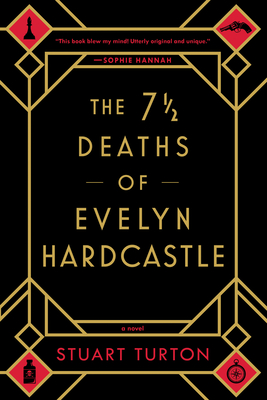
The 7 1/2 Death of Evelyn Hardcastle by Stuart Turton

Of all the books on this list, this was by far my favorite. I was a little apprehensive at first as the protagonist begins with amnesia, which is a trope I hate. But as soon as the reason for the amnesia was revealed I was all on board. It’s a crazy time travel mystery that I’ve been recommending to everyone, no matter what they normally read. It’s that good.

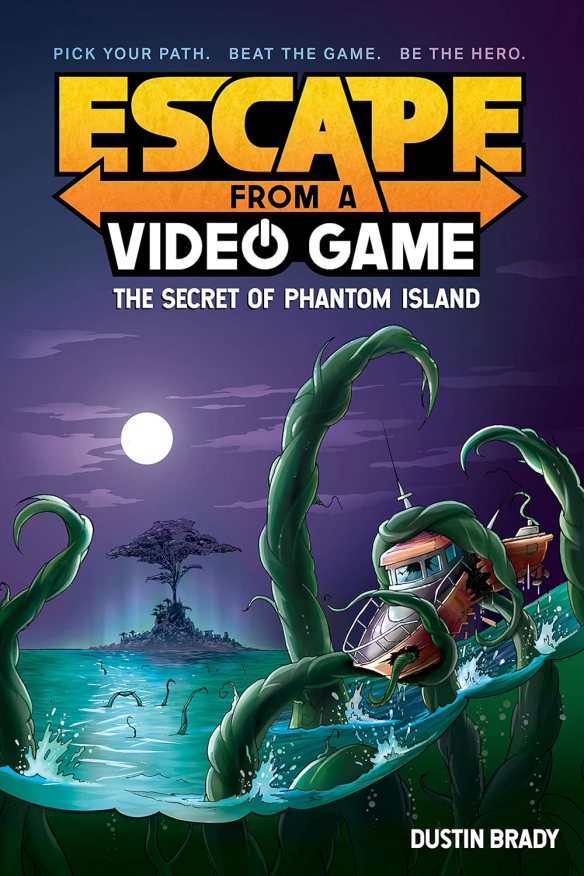
Escape from a Video Game: The Secret of Phantom Island by Dustin Brady

Every night I do a half hour of reading with my kid before bedtime. We grabbed this at the library since he likes video games and Choose Your Own Adventures. For a six-year-old, it was engaging, especially the puzzles where you have actual worksheets to fill out and keep track of your progress. For adults, there’s a fair amount of nerdy humor thrown in there to keep things entertaining for you as well.

Shuna’s Journey by Hayao Miyazaki

Another bedtime book, I also picked it because I’m a huge Miyazaki fan. It’s a graphic novel, so it’s a pretty quick read, and while the concepts were understandable for my son, I think the gravity of the situation won’t be appreciated until he’s a few years older. I wasn’t a huge fan of the ending, but if you like Nausicaa you’ll probably like this.

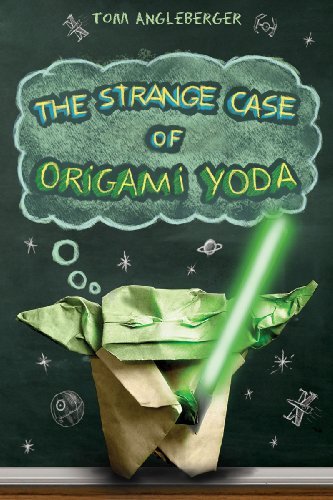
The Strange Case of Origami Yoda by Tom Angleberger

My kid likes this one enough that he got the whole series for Christmas. Some of the social situations are more appropriate for a middle grader, but the humor and the stakes are fairly universally understood. There’s a good amount of humor, and I particularly enjoyed the footnotes and the idea that multiple kids came together to make this case file.

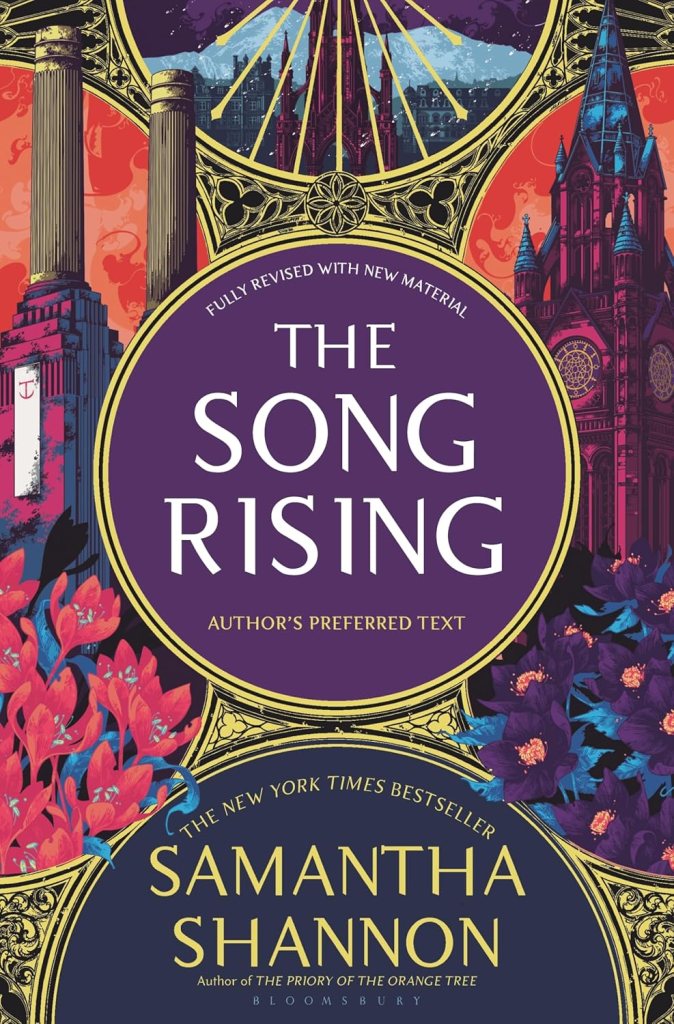
The Song Rising by Samantha Shannon

The third in the series, this one felt a little lesser than the first two, but still engaging (enough that number four is later on this list). As with most fantasy series, the stakes here get bigger and broader. Relationships get strained and people die. The charm of the story will always be Paige and how she navigates all the worlds (social, political, literal) she has been thrust into. And of course, wondering if she and Warden are ever going to hook up.

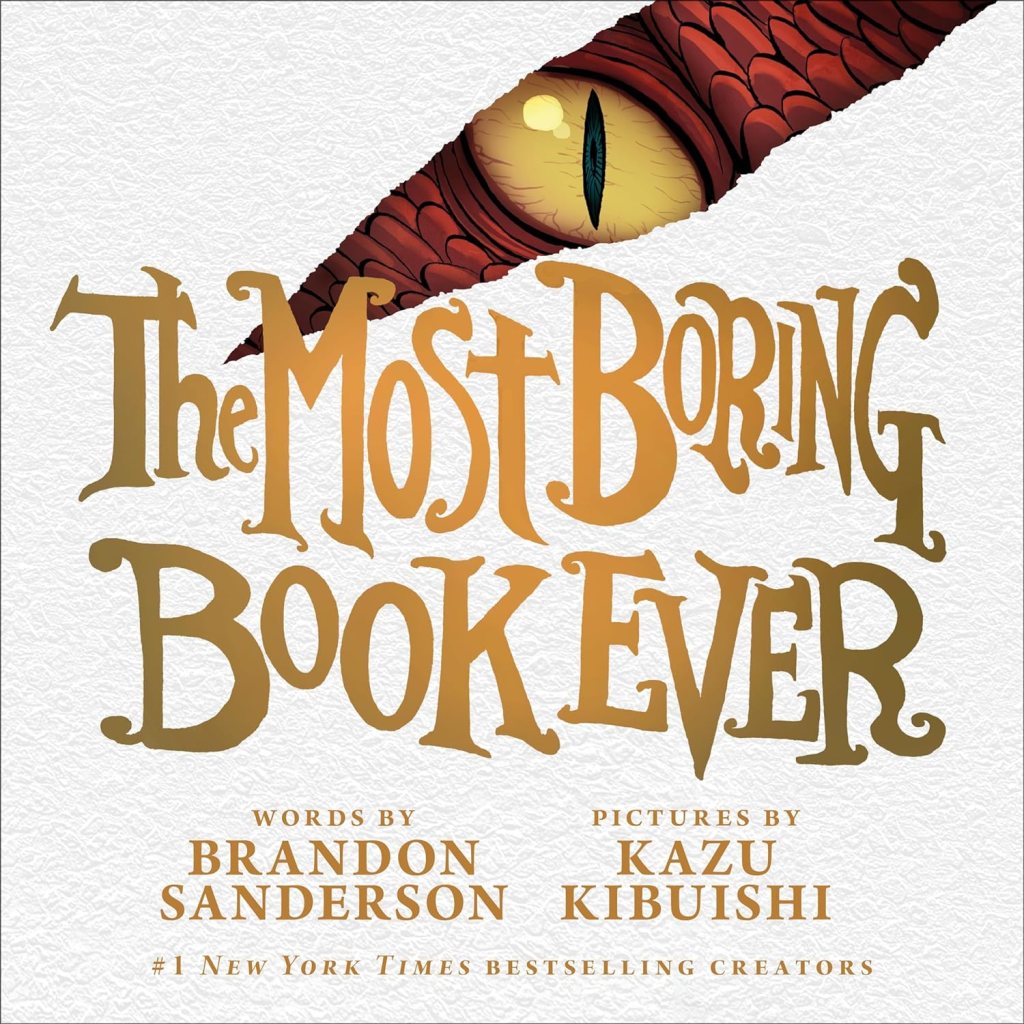
The Most Boring Book Ever by Brandon Sanderson

This was a bit of a let down. The premise is good, and the art is fun, but it came off more as a proof of concept than a successful application. It’s no secret I’m a huge Sanderson fan, and maybe I had some high expectations going into this having just finished a children’s book focused intensive two week class. Definitely one to check out from the library as opposed to adding to your collection.

House of X/Powers of X by Jonathan Hickman

Moira. Dang. I have a very broad, encompassing knowledge of most comics. I’ve got a few hundred in boxes in my attic and I read X-men novels as a teen. But I had no idea about Moira and what she can do and did do, over and over and over. This was a super fun read, especially if you like time manipulation stories, as I very much do. It’s incredibly satisfying to see different characters take different paths and to see them succeed or fail depending on choices. It’s like those What If scenarios playing out in front of you.

The Waste Lands by Stephen King

The third in King’s Dark Tower series, this follows Roland and his friends (not giving away any spoilers) as they navigate Roland’s expanding world in their search for the Dark Tower. As with his others in the series, time plays a huge role in the narrative, and how things may be different, but still somehow always stay the same. Technically, that can be said about any story since we can only write what we know, but there’s intentionality here. Also, riddles are fun. 🙂

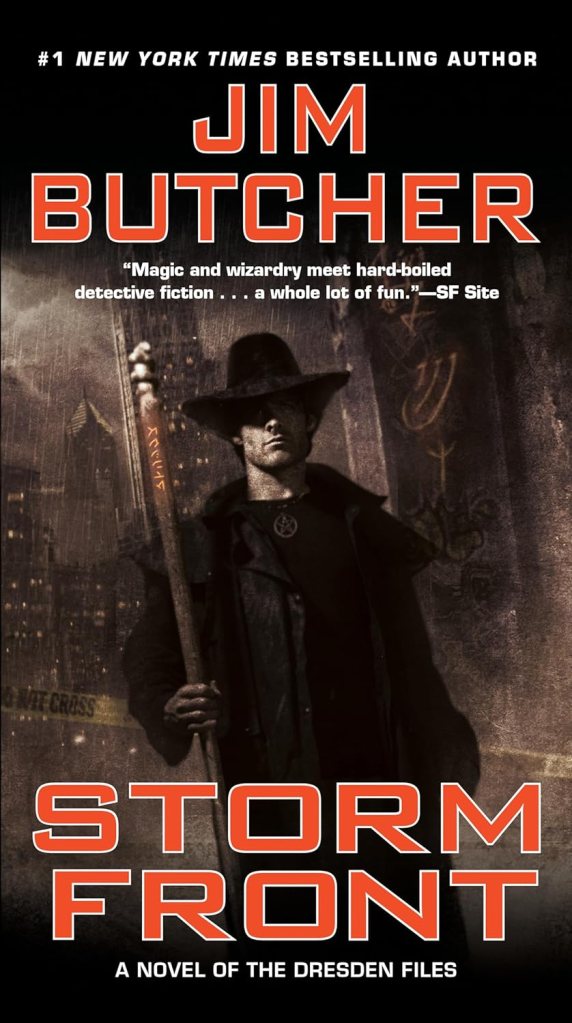
Storm Front by Jim Butcher

As part of the research for my thesis (I’m writing a fantasy mystery), I grabbed a few established examples to see how writers have approached the genre. Jim Butcher is probably the most well known, with the Dresden Files being the most well read. I really enjoyed his Cinder Spires books, and while this was a fun read, it didn’t have the same draw. Granted, Storm Front came out almost twenty-five years ago and was his first book. His writing has progressed since then. To me, Harry Dresden felt kind of like Gandalf. He occasionally did some neat stuff, but he often relied on others to solve his problems or answer his questions. I’m hoping as the series goes on he becomes more of a self-reliant protagonist.

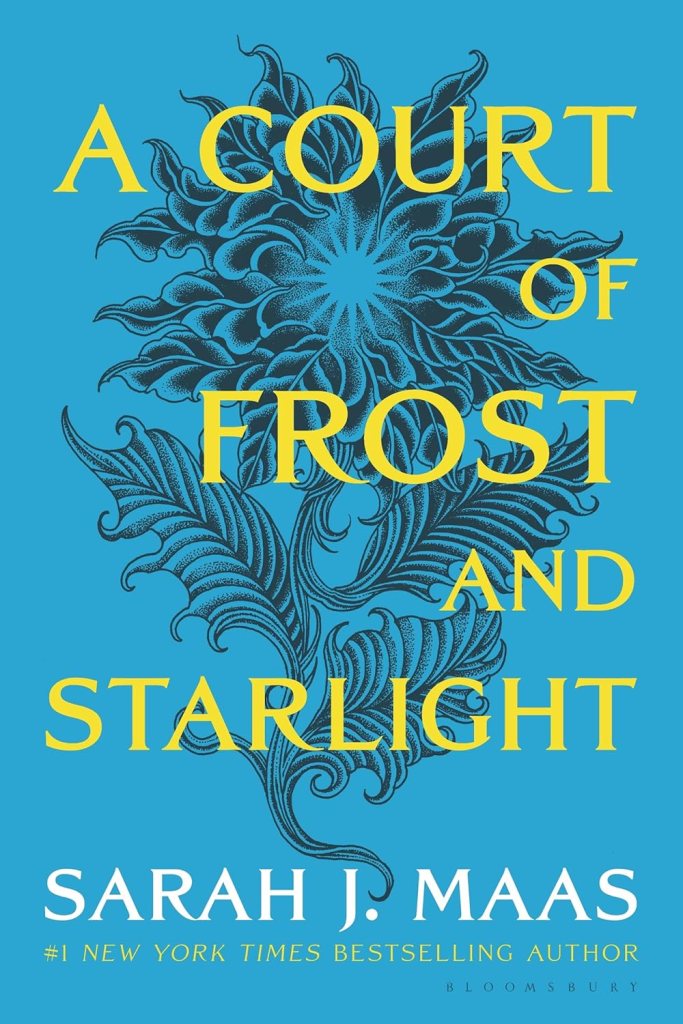
A Court of Frost and Starlight by Sarah J Maas

This was the Christmas themed mini book that came out after the trilogy. And I say mini comparatively. It’s normal length compared to most books. It was nice to take a break from the heaviness of the series, and while there were some cute things going on, I felt that a lot of the relationship tensions that were front and center never got resolved. They just became more build up for the next book. They only resolution came from Feyre’s art, which was nice, yes, but there’s more’s the just Feyre here. Hopefully the last book gives the satisfaction I’m looking for.

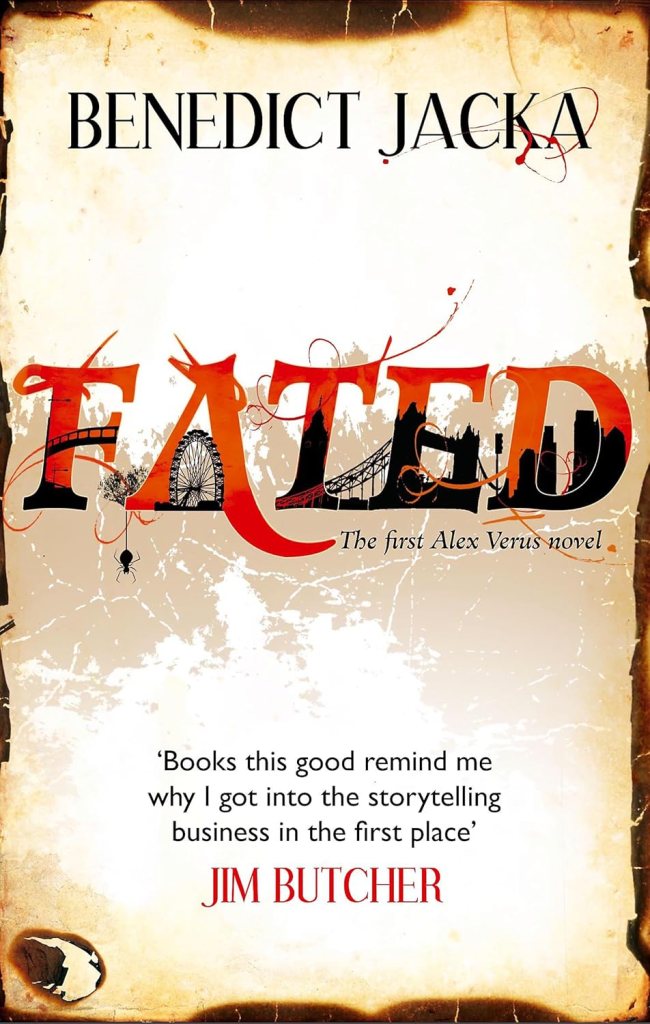
Fated by Benedict Jacka

The next of my research reads, this was the one I enjoyed the most. The protagonist is a probability wizard, meaning he can sort of see into the future. I’d already given my own protagonist a somewhat similar ability, so it was interesting to see how Jacka utilized it in a narrative. The characters were smart, unique, and the world was fun to read about. Never did I feel like I was slogging or floundering, and I kept wanting to turn those pages. Of the fantasy mysteries, this series is the one I most want to continue.

This is How You Lose the Time War by Amal El-Mohtar and Max Gladstone

This was recommended to me as I was in the middle of working with an editor on an epistolary short story (which is being published this summer!) as a great example of epistolary prose. Plus, time travel! It was a relatively quick read, but there were sections that were fairly dense and required a bit more attention as I read through it. My favorite part, not being shy about my Shakespeare fandom, was when I thought, oh, they’re totally going to do a Romeo and Juliet thing here. Then Romeo and Juliet was referenced by name, followed by other key moments I won’t spoil. Then science was fun, the relationship was fun, and the form was fun. Just fun all around.

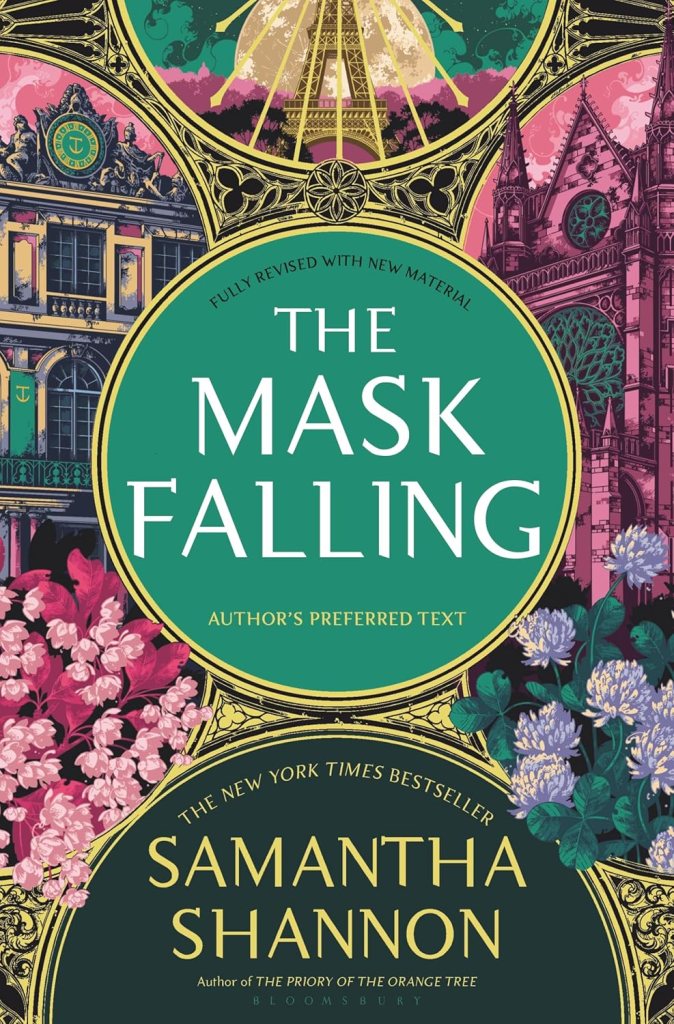
The Mask Falling by Samantha Shannon

Book four in the series, this one benefited by giving us a new setting as well as time to sit with Paige and Warden for more than a minute without someone trying to kill them. There was a reveal that I’d figured out in the first book, so that was a bit anti-climatic, but it’s still refreshing to see Scion through a different lens, and somewhat further away. As always, I’m in awe of Shannon’s breadth of knowledge of language and culture and history.

Midnight Riot by Ben Aaronovitch

You always hear people say you need a strong opening sentence, or opening paragraph. Well, this book had one of the best opening pages I’ve read in a long time. Enough that I took a picture and sent it to my MFA peeps. Aaronovitch has a fun, witty voice that never appears to be trying too hard. My only complaint about the book what that it fell victim to one of the suckier detective tropes of misogyny. I don’t mean to imply the author is, but for once I’d like to read a straight male detective protagonist who doesn’t see all women as pieces of meat.

The Road by Cormac McCarthy

Dark. Depressing. And literally dark. Post-apocalyptic nuclear winter dark. It won a Pulitzer, with good reason. The whole story focuses on the relationship between father and son as they try to survive in the wasteland they now live in. Hope and love are the drivers of survival, both of which are tested in very real, relatable ways, even if they exist in a very different reality. Also, not being able to picture things in my mind, I have a very high tolerance for gore and grossness. There was one paragraph in this book that was the most disturbing thing I’ve ever read. Ever.

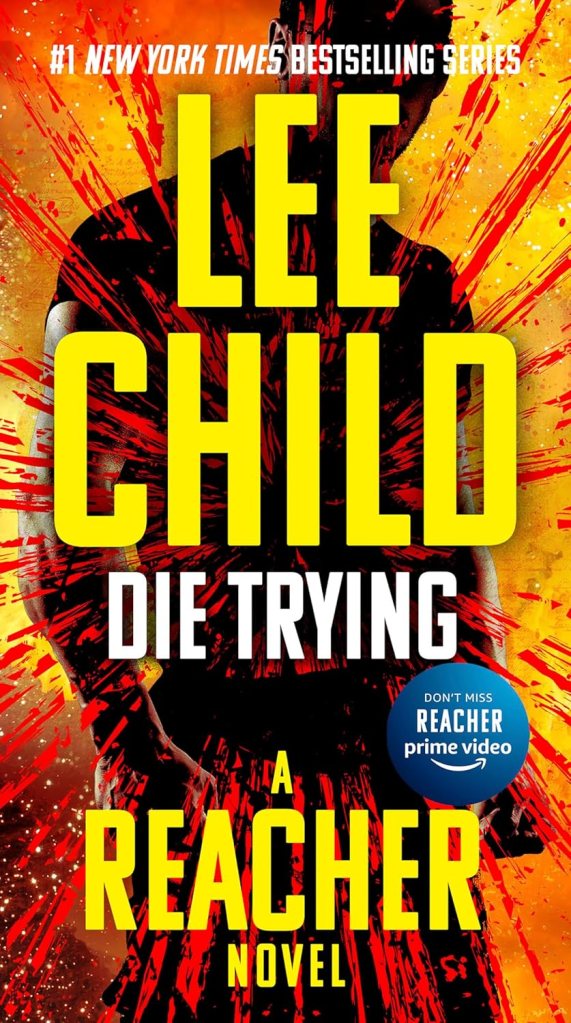
Die Trying by Lee Child

Book two in the Reacher series, we see Reacher caught up in something again because he was in the wrong place at the wrong time. No improbable family connections this time, but still a lot of the calm, collected, violent Reacher we expect. I felt like this was almost two books in one, with two very distinct sections that each start and end abruptly. It works, and makes sense, but still very abrupt. I mentioned earlier I wanted to see a detective who sees women as more than a piece of meat, and to his credit, Reacher does that. But I also wonder if he’s going to hook up with every hot lady he ends up working with. If hook ups happen authentically, no big deal. But if this happens every book it’s going to get awfully boring.

Berserk Deluxe Edition, Vol. 1 by Kentaro Miura

Last on the list is this massive tome, a manga collection from the series Berserk. I happened upon it randomly at the library, where they had all fourteen of them in a row begging to be inspected. I knew a little of the premise from seeing some of the anime, but I was not prepared for the level of gore. It was stylized, almost comical at times, but it was a lot. And Guts is a bonafide A-hole. But I tore through the whole thing in one evening, so it was definitely engaging. I think I kept burning through it wondering what could possibly happen next, given the ridiculous images I was seeing. I’ve got Vol. 2 on hold at the library, so we’ll see how it progresses. If it’s stays as engaging, it seems I’ll have quite a bit to get through.

That about wraps it up. I don’t think my goal will be quite so high in 2025 as I have to finish thesis on top of another class, and my daughter is now crawling so a lot of my day will be chasing her around and making sure she doesn’t break/kill herself, which is all a parent really needs to do the first two years 🙂

And the next books on the list, each of which I’m partially through, are Wind and Truth by Brandon Sanderson, Lincoln in the Bardo by George Saunders, and Wizard and Glass by Stephen King. Happy reading, and let me know if you found any of this helpful, or if you agree or disagree about any of these.