It’s that time of year again. Time to look back at all the things I’ve read, think about all the time I spent not playing video games or writing or Lego or doing things with my family. If I manage to finish my current read I’ll be at 36 for the year. Not as much as last year, but I’ve had considerably less free time this year.
Here’s a breakdown (in roughly the order in which they were read) with a quick snippet of my thoughts:
The Brightness Between Us by Eliot Schrefer.
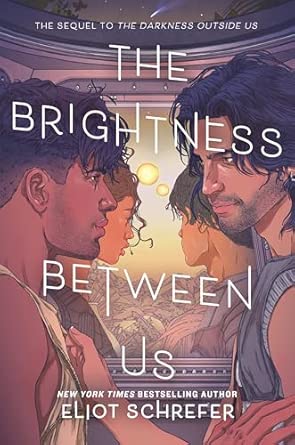
The sequel to The Darkness Outside Us provides a before and after of the events of the first book. It’s tragic in that you can (intentionally) see downfall and heartbreak coming, and hopeful in that love will always find a way.
Berserk, Volumes 2-11, by Kentaro Miura
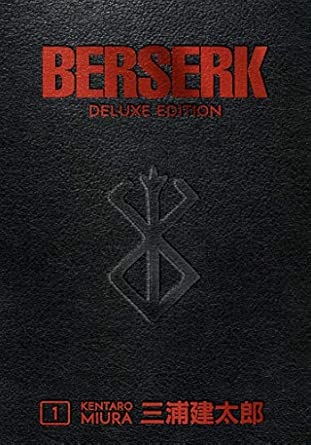
I watched the animated movies a few years back and when I saw these giant tomes on my library’s shelves, I had to see what it was about. If you enjoyed the world of Berserk, it was nice to see the larger story. But oh dang is it gory and rapey and it does nothing to romanticize either of those traits. At points I wanted to be done with it, but as with many stories, I wanted to see how it played out (though I have stalled out at Vol 11).
Wind and Truth by Brandon Sanderson
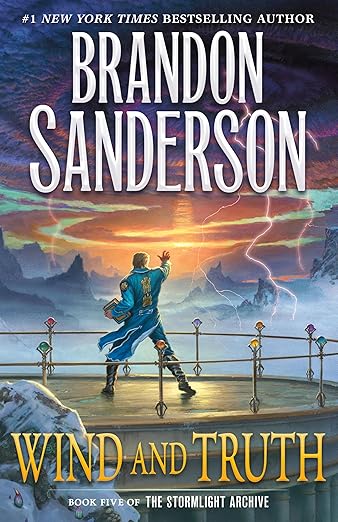
Probably my top book of the year, this did a better job than its predecessors in its integration of characters’ physical and mental impairments. Prior books seemed to err on over explanation when the risk of overlooking aspects was present. This book relied more on connotative readings than denotative explanations, which I very much appreciated.
The Wild Robot by Peter Brown

I started reading this to my kid before bedtime and it was refreshing to experience the innocent experiences of the robot and its understanding of the new world around it. Heartbreak was real and natural, and it never felt like it was trying to teach a lesson even though it very much was.
Tripwire by Lee Child
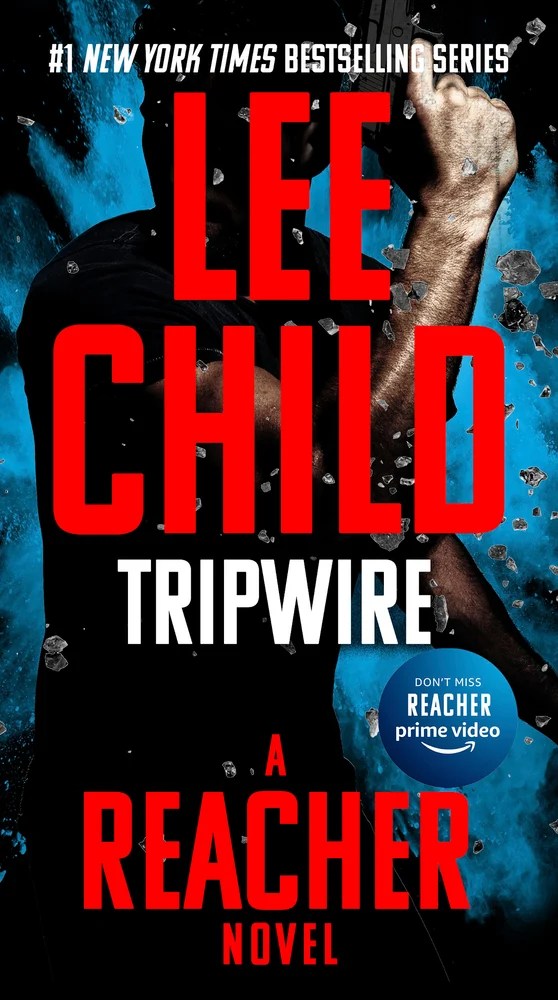
At this point in my life it’s hard to truly surprise me with an earned plot twist. Tripwire toed the line between earned and unearned, but the resolution was satisfying enough that I didn’t care. This felt like the third in a trilogy as opposed to number three of many, so I’m curious as to how number four presents itself.
The Memory of Souls by Jenn Lyons
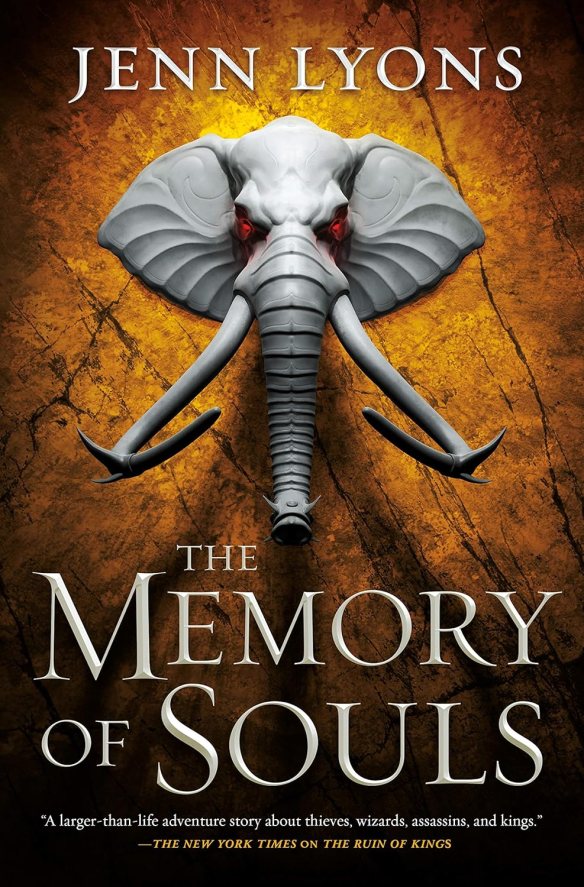
I’ve said before that Jenn Lyons is a fantastic world-builder, and this book only further reinforces that opinion. Hints and offhand comments from prior books become important and narratively impactful in ways that continually impressed me. While this series (like Sanderson’s Stormlight) falls victim to heavy-handed ethics explanations, this book did a good job of presenting issues in a more natural manner.
The Broken Eye by Brent Weeks
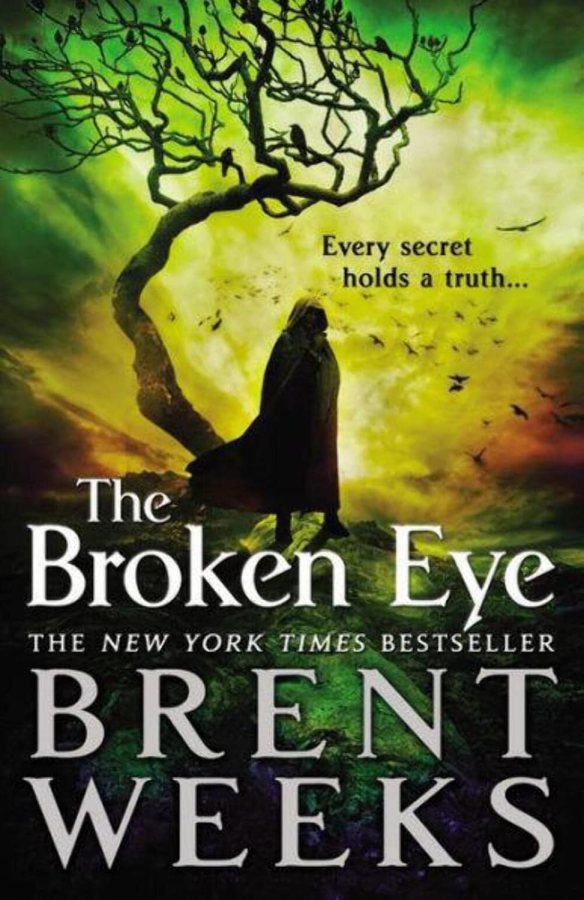
As with the prior two Lightbringer books, Brent Weeks once again makes me want to hate him. The last two books each introduced a concept that I’d already been planning on using in stories of my own. So did this one. But my hatred is a joking hate. I really enjoy the books, and The Broken Eye was a great stepping stone into wider stakes for Kip’s world.
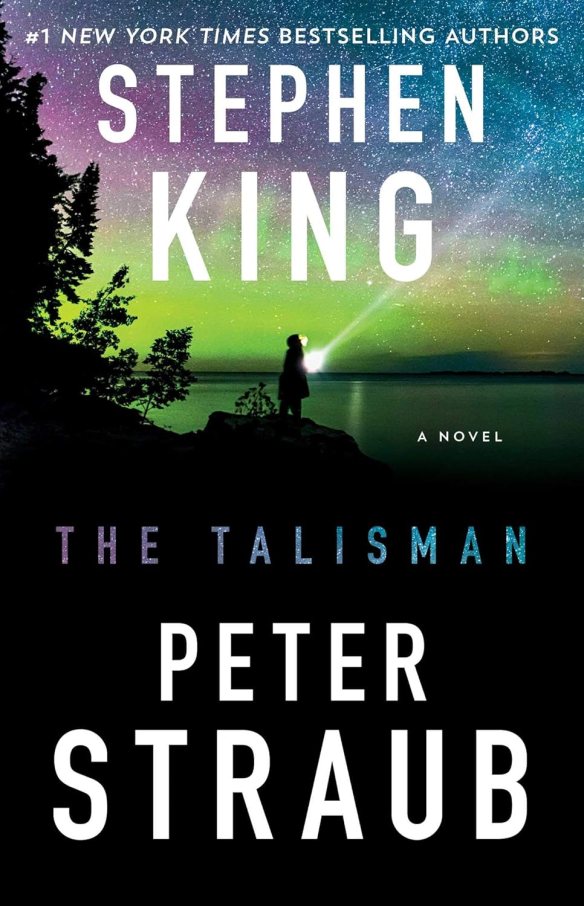
The Girl Who Loved Tom Gordon by Stephen King
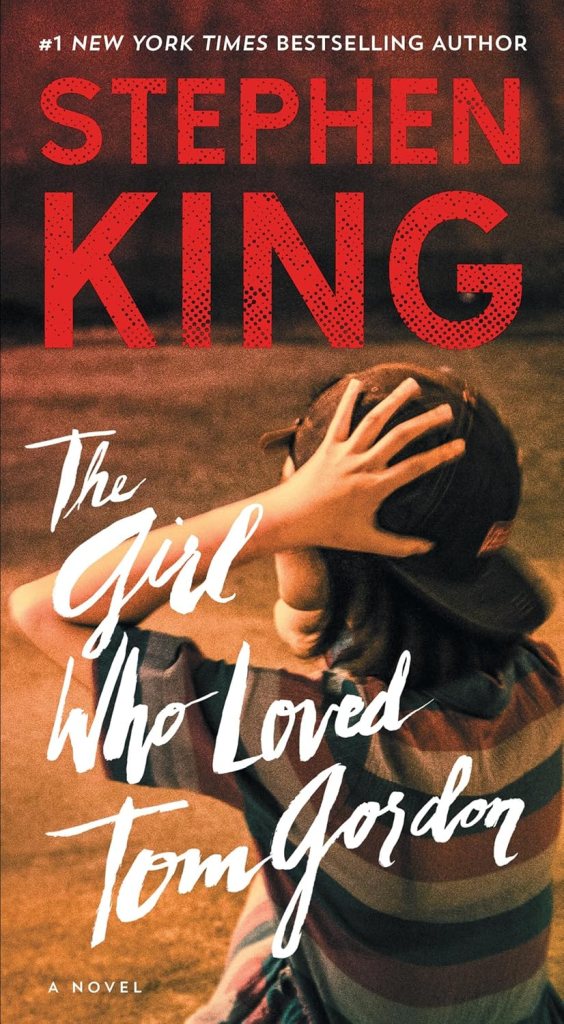
Many years ago I bought a pop-up version of this book. It was adapted from the original by another writer, though King’s name was still on it. I wanted to give the actual book a go and, as always, I’m super impressed by and envious of Stephen King. This is a great personal stakes story which blurs the line between reality and psychosis/terror, and I will always be drawn into a story with a good baseball hook.
The Blood Mirror by Brent Weeks
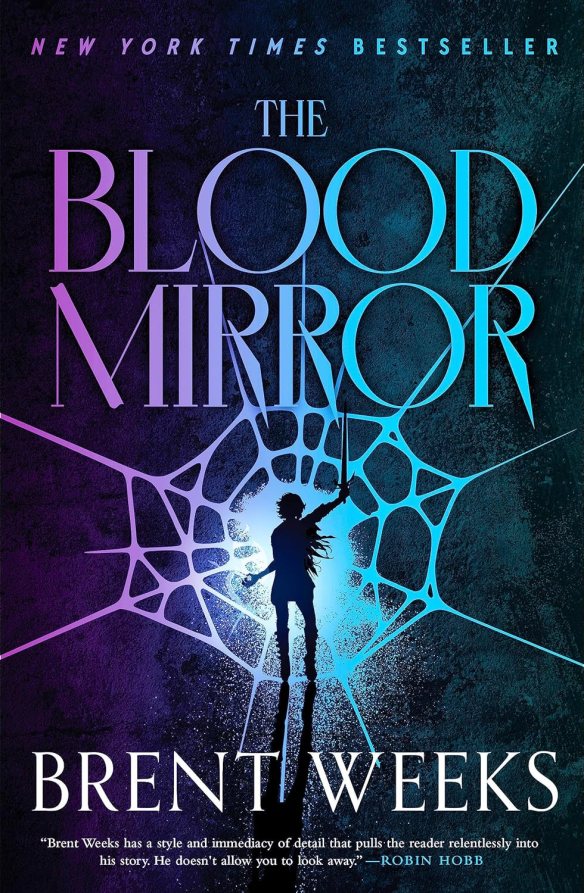
Finally, a Brent Weeks book that doesn’t preemptively steal my ideas 🙂 I’m writing this after finishing the whole series, and it’s safe to say this was the book that struggled the most, but as with any book that advances weeks or months between chapters, there’s a lot of room for lost investment. It wasn’t a bad book, but I was definitely ready for the next one (which was as good as the previous ones).
Lincoln in the Bardo by George Saunders
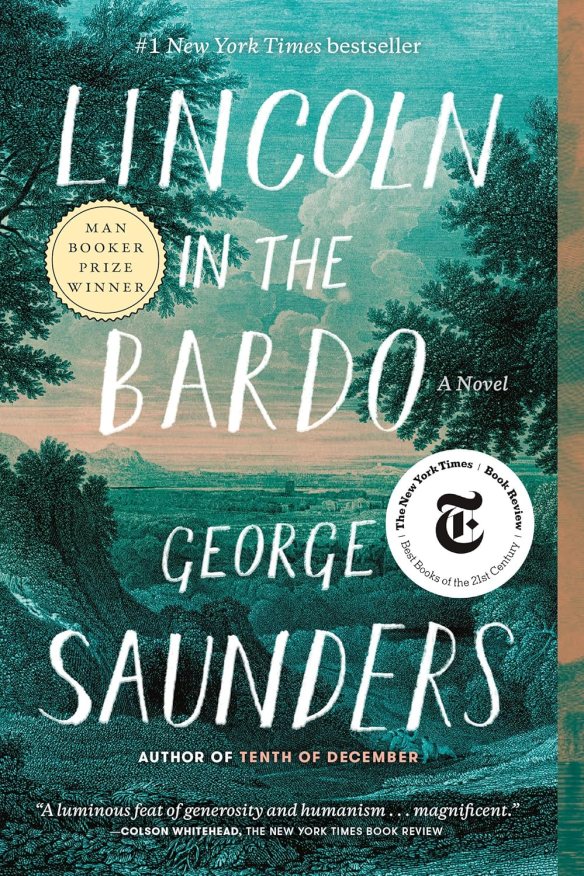
Weird. Just… weird. I love the idea of working real history into a story, and Saunders does a great job presenting the history—both the actual accounts and his fictionalized ones—so that I couldn’t always tell which were real and which weren’t. I listened to the audiobook for this one, and Nick Offerman really brought some fun life into all the death.
Amulet, books 1-4, by Kazu Kibuishi
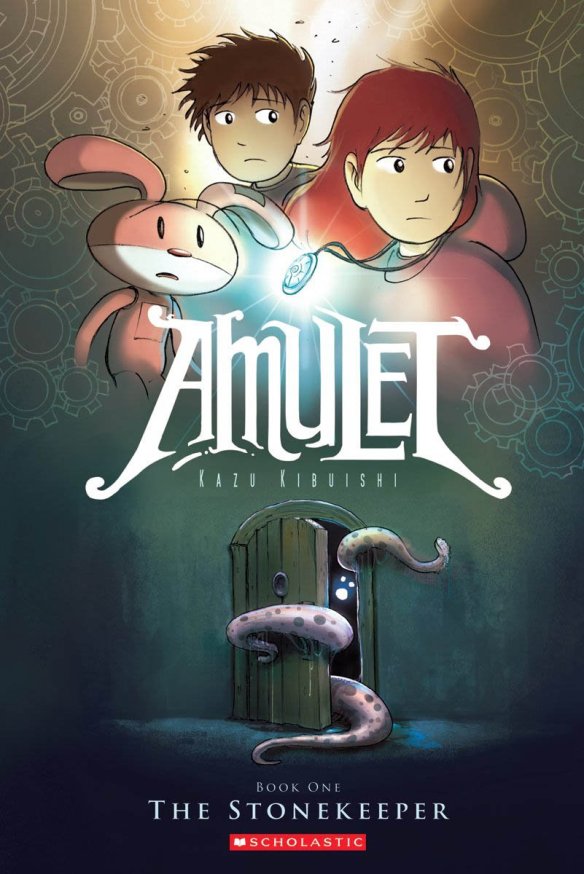
Another before bedtime read with my kid. I can see why these are so popular and are in so many classrooms I visit. The story and stakes are both serious and heavy, but not so oppressive that my second-grader is dissuaded from reading it. These books made me want to write graphic novels.
The Lightning Thief by Rick Riodan
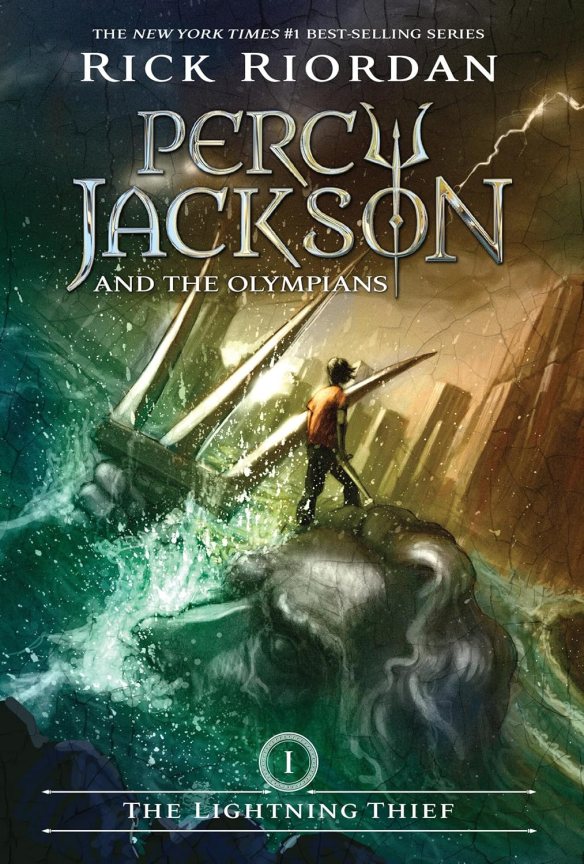
I’d never read this growing up, though I’d watched the movies (where my crush on Alexandra Daddario started) and the new TV show. My wife kept saying how funny the books were so this was another bedtime read with the kid. I think watching it first made some of the twists less surprising. But I also think it’s written as early YA for a reason. What’s predictable and tropey for me will be novel for younger readers.
White Sand by Brandon Sanderson
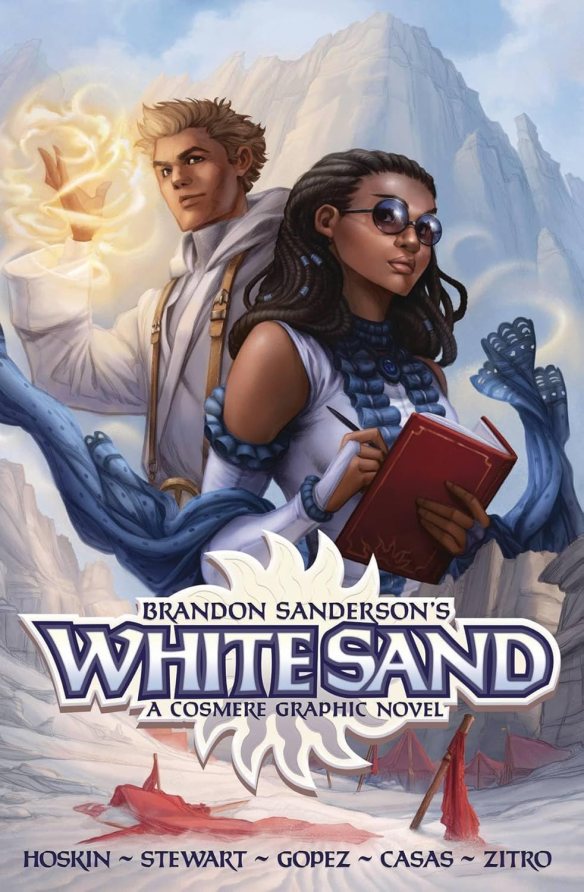
As with all Sanderson, fun concept and fun magic. I think the medium of graphic novel missed the mark though. Even taking into the account that I can’t picture things in my mind and that visual mediums are super intriguing to me, there were so many times reading this that I thought it’d work better as a traditional novel.
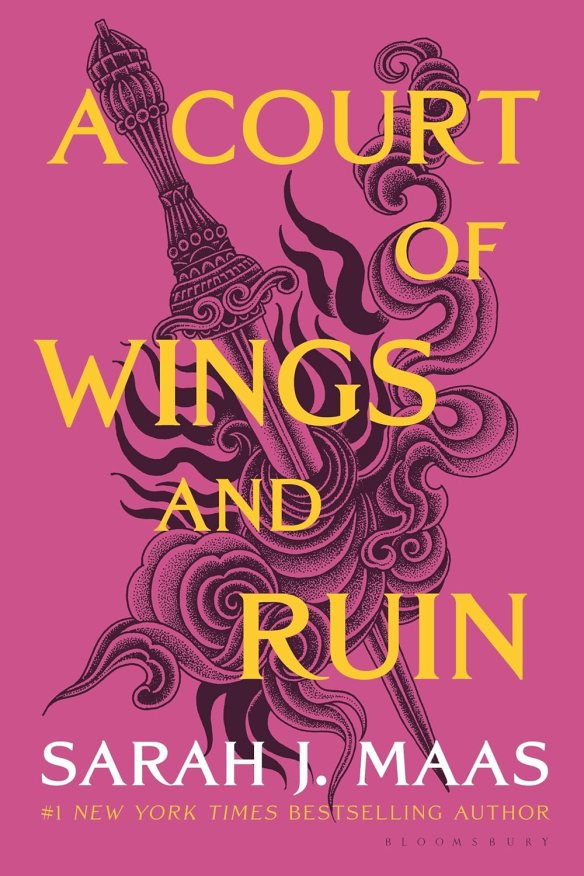
A Court of Silver Flames by Sarah J Maas

The worst of the ACOTAR books by far. The only reason I continued to read was because Cassian needed a better ending and I really wanted it to happen. Nesta’s whole arc was forced and she was a terrible character. Any by that I don’t just mean her character was a terrible person (which she was) but that the presentation was done terribly (which it definitely was). The massive increase in explicit sexy times wasn’t enough to make up for Nesta being Nesta.
Billy Summers by Stephen King
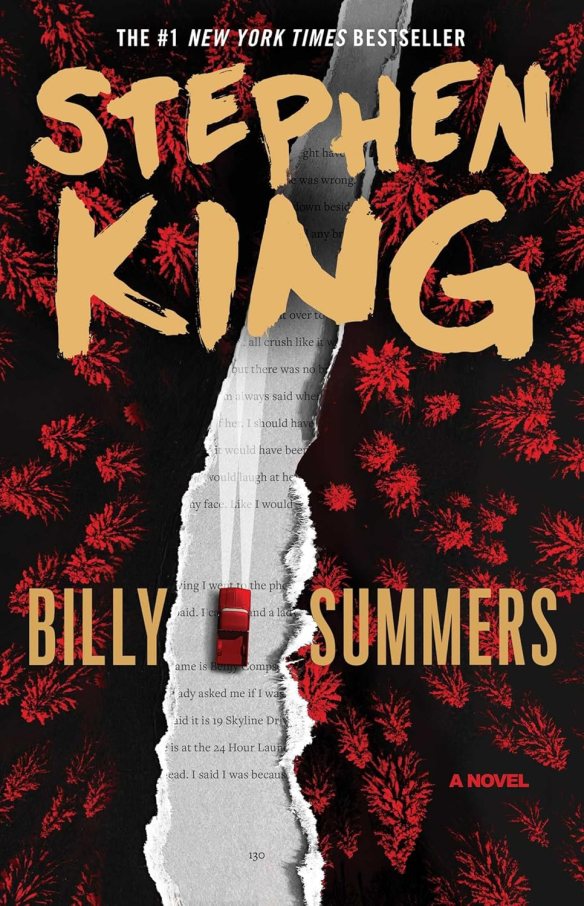
I have a friend who is convinced that everything Stephen King writes is straight horror. Or, he was and now only claims that to bug me. This is a great King story that shows how great of a character writer King is. There’s only the barest hint of the supernatural toward the end, and it was more of a nod than real story integration. Billy Summers is a good bad guy and a bad good guy and the whole book is him figuring out which one of those he is.
The Silent Patient by Alex Michaelides
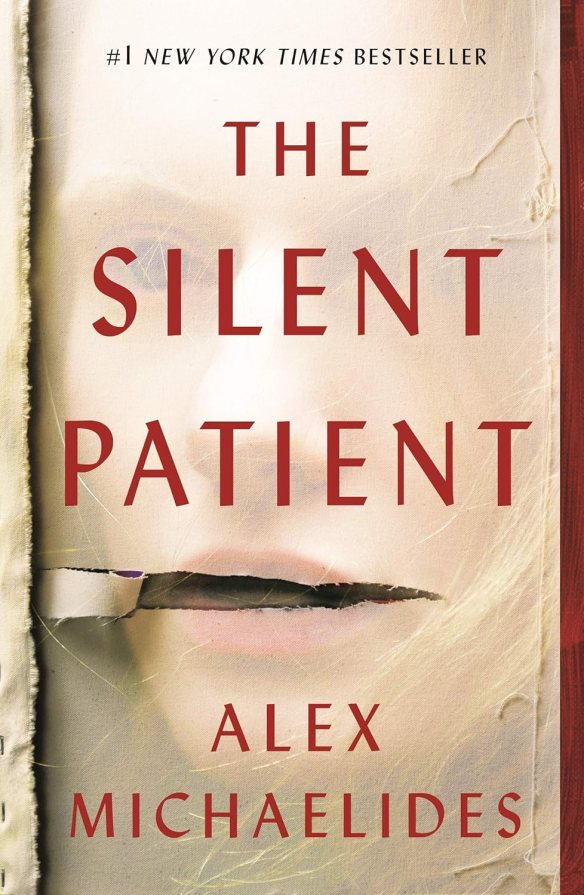
I want to praise the book without spoiling the ending. I only figured it out about halfway through, which is high praise from me. And as someone who primarily reads sci-fi and fantasy, the fact that a story set entirely in mundane reality was able to engage me says a lot about its effectiveness.
The Burning White by Brent Weeks
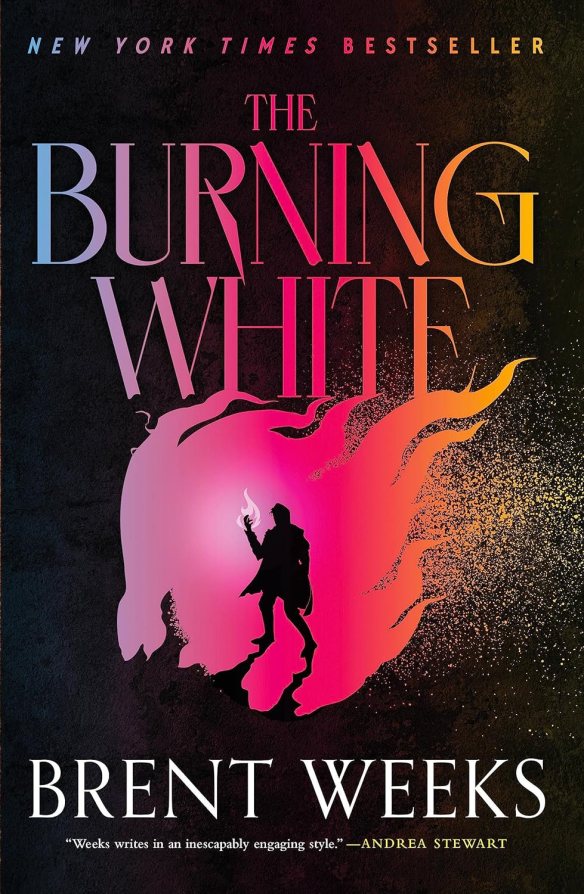
The Lightbringer finale. As with most fantasy books, there’s an epic battle. I feel like the one battle was a third of the book. And that’s not a bad thing. At this point there are so many characters the reader has become invested in that each of their roles in that battle are equally emotionally important and so instead of one long tiresome battle, it feels like a whole bunch of smaller arc climaxes all climaxing together. Yeah, I know how that sounds. I said what I said.
Isles of the Emberdark by Brandon Sanderson
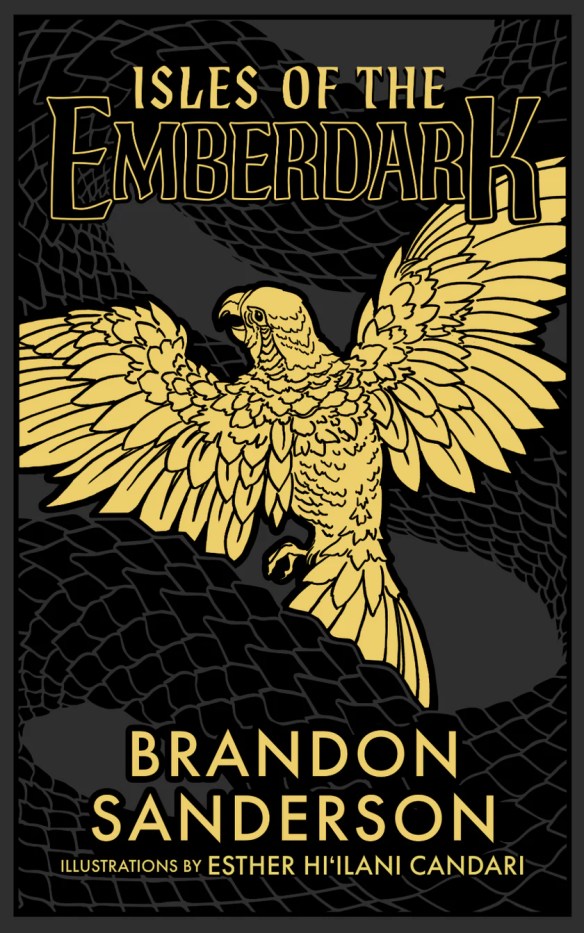
This was a fun journey back to a great Sanderson short story. Unfortunately, the book seemed like a vessel to introduce a character/set of characters into the greater Cosmere as opposed to a solid narrative of its own. There are two main POVs, and I don’t think either got the time they deserved or that we needed.
The House of Always by Jenn Lyons
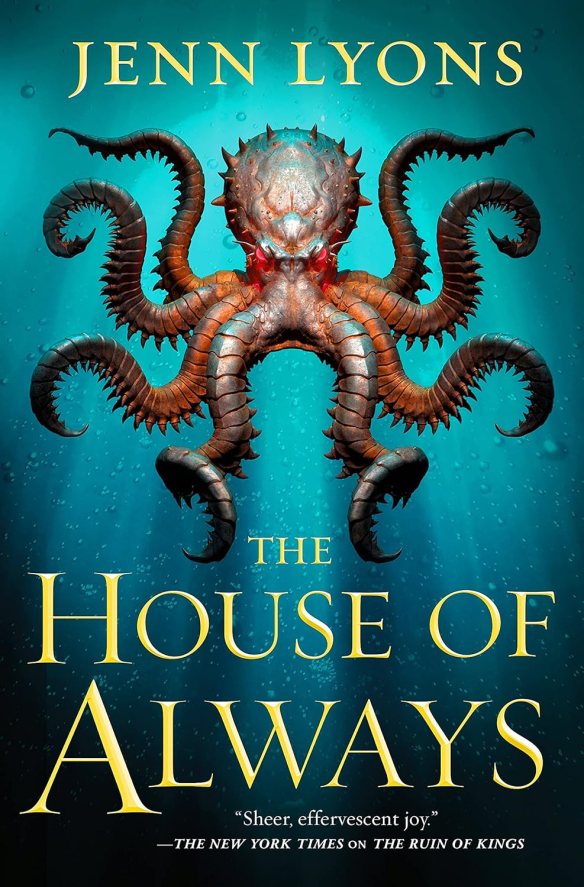
The fourth in the Chorus of Dragons series, the narrative is presented much like the others, in real-time as well as personal accounts of past events. In this book Lyons really starts to weave together many of the until now disparate characters, especially since most of them are forced to be in the same physical space for a majority of the real-time narrative. This was less world-building heavy than the prior books, and more character driven.
The Book Thief by Mark Zusak
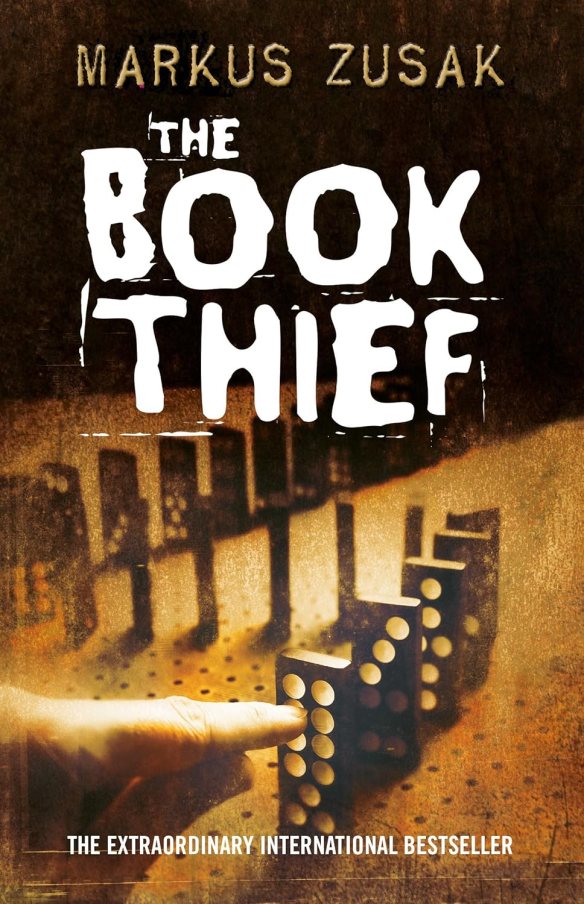
I read this because of a recommendation pertaining to the book’s narrator: Death. A YA WWII book following the life of a young German girl, it was a presentation of events I’d not seen before. There are tons of books from the Jewish perspective or an American perspective, but this was the first I seen about a young German. There were some fun narrative tricks and strategies that paid off well by the end.
The Dragonbone Chair by Tad Williams
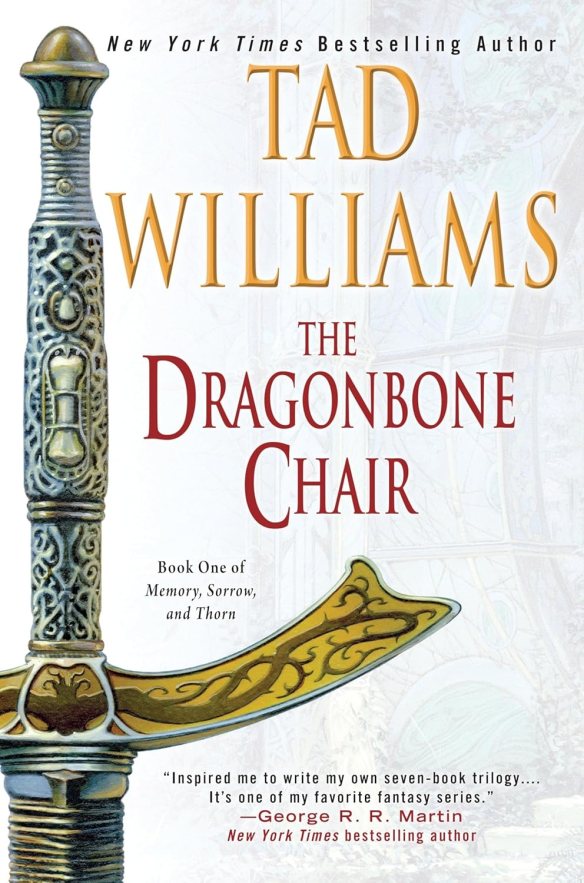
Given that this book is almost as old as I am, it’s hard to know what was innovative and what is just trope regurgitation. I’ll give the benefit of the doubt and say that some of the concepts were novel. With that assumption, my biggest criticism is that it took forever to get going. It’s a long book, and the first half felt like exposition forced into a narrative. It was early mainstream fantasy though, and the genre was still trying to figure things out.
The Lathe of Heaven by Ursula K. Le Guin

If you’ve ever come across the idea of making a wish from a genie but not being specific enough and things go horribly awry, this is that story but without magic. Well, without that label. It was a fun, quick read that was fueled by a concept and the ethics surrounding it. My kind of story. 🙂
A Day of Fallen Night by Samantha Shannon
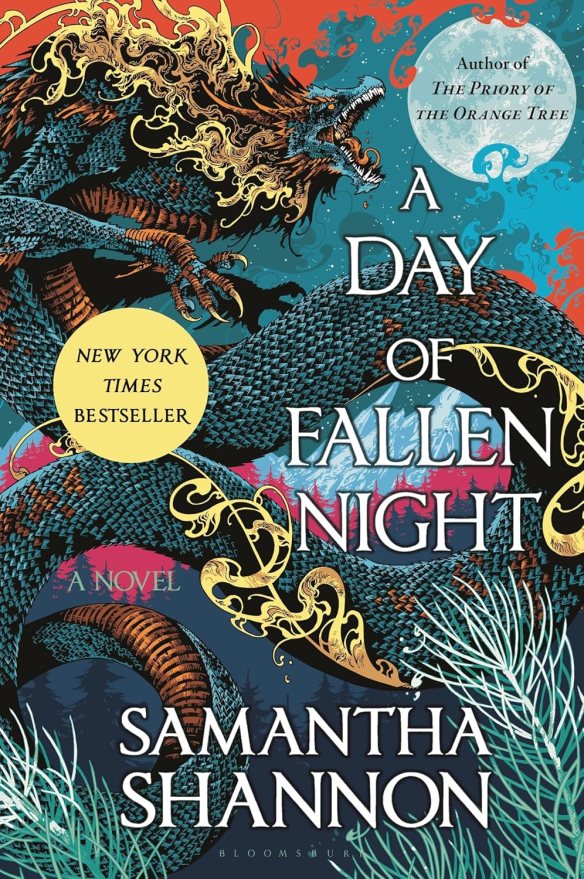
I criticized Dragonbone Chair of starting too slow and gave it a pass because of when it came out. This book doesn’t have that excuse. There’s fantastic world-building and eventually it paid off, but it took a little bit to get there.
That’s 2025. In 2024 I noticed a reading trend: time-travel stories. Very straightforward and blatant. This year was less straightforward. But if there’s any sort of through line it’s that I read books that focused on how their worlds worked—ethically, structurally, emotionally—and that I had little patience for stories that confused explanation with depth.
My current read is Kindred by Octavia E. Butler and waiting in the wings is How to Live Safely in a Science Fictional Universe by Charles Yu, so we’ll see how those influence what’s to come in 2026.




 Eric Taveren