
Back in early spring 2022 Brandon Sanderson started a Kickstarter for what he’s dubbed The Year of Sanderson. Apparently during Covid he had a ton of extra time and so decided to write extra books on top of his scheduled writing. Jealous much? I know I am. The Kickstarter went on to become the most successful Kickstarter ever, bringing in just shy of $42 million. Dang.

The main draw was the four new novels, but you could spend more and get shirts and tickets and whatnot. I’m not big on acquiring random clutter (though my wife will say otherwise. Depends on your definition of random I guess), so the books themselves are what drew my interest.
The books themselves released once per quarter this year, with the final novel reaching backers this past month. I finished this final novel last week and after several conversations about the books with other Sanderson lovers, I’ve collected my spoiler-free thoughts.
The four books, in order of release, are Tress of the Emerald Sea, The Frugal Wizard’s Handbook for Surviving Medieval England, Yumi and the Nightmare Painter, and The Sunlit Man.
We’ve all been told not to judge a book by its cover, but it seems that is one of the goals of these books. As you can see, each of them has a stunning cover just begging you to open it. It seems silly to rank the books by the covers, but if I had to, it’d be Tress, Yumi, Sunlit Man, then Frugal Wizard.
But that’s not where the amazing art ends. Each book contains a ton of unique illustrations, which for copyright reasons I won’t share here, stylistically appropriate for the story. Because of the intentional style differences it’s hard to compare them, but I enjoyed the Yumi illustrations the most, likely due to my interest in Japanese culture.
Book titles also have work to do, drawing in readers and creating the first promise between author and reader. The blandest title here, though very fitting for the story, is The Sunlit Man. Looking simply at the titles, that’d be the last one I’d grab. The other three are a toss up, each presenting us with information about the protagonist(s) and the world. Great titles.
Now time to get down to the brass tacks. The pictures are great, and can go a long way to enhancing a story (I’m looking at you Axel Scheffler), but ultimately our enjoyment comes down to the story, the writing, and the multitude of feels the words trick our brains into feeling. I probably could break down each one for various reasons, and I suppose if anyone asks I would, but based on my conversations, the ranking is rather obvious.
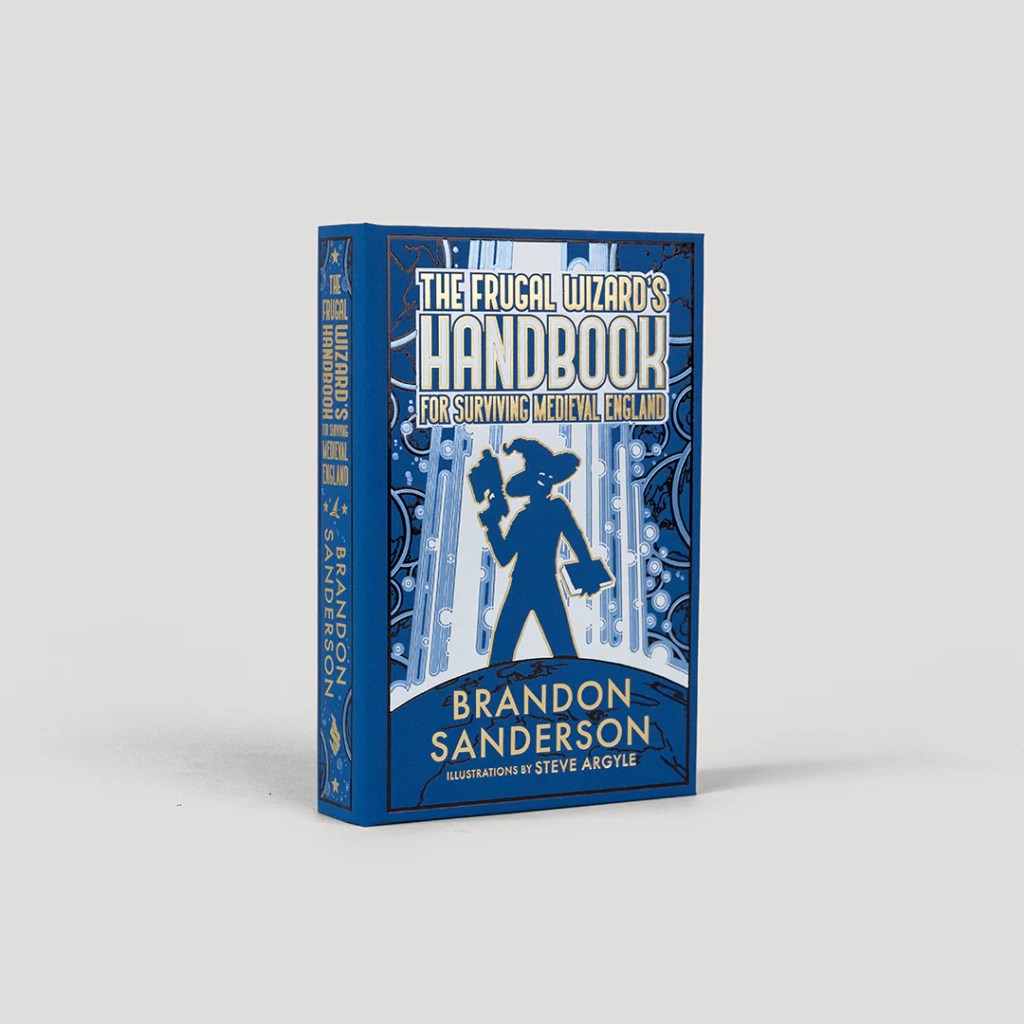
I’ll start on the bottom. The Frugal Wizard’s Handbook for Surviving Medieval England brings up the rear in this four book collection. I wouldn’t say it’s significantly outpaced by the next two, but it’s also not super close. It was an entertaining enough story, but I feel it lacked the character connection you’d expect in a Sanderson book. I suspect the reason for this is what I also view as the strongest aspect of the story: the character’s memory loss. I don’t want to do any spoilers, but amnesia can reveal interesting twists (which this does), but can also make the character harder to identify with (which this does).
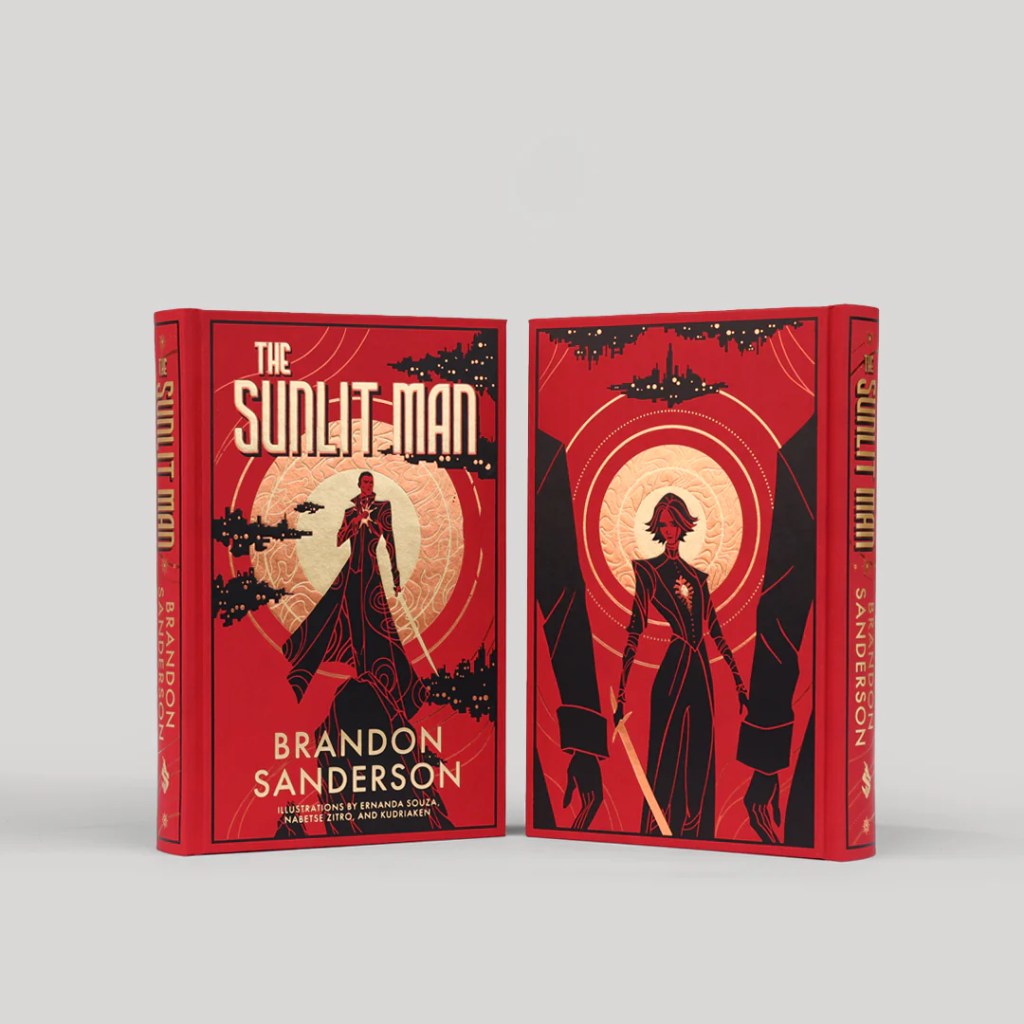
Number three and number two were a bit closer, and I think they’ll flip flop depending on who you ask and their style preference. My number three is The Sunlit Man. It has strong characters, central and supporting, a unique world and culture, and is set apart from the others by its breakneck pacing. It also fits snugly into the Cosmere and brings back a fun character (not counting Wit. That dude is everywhere). For those who enjoy action and plot advancement, this is the book for you.

Number two is Tress. Tress definitely reads more YA, which isn’t a bad thing of course, but if you just finished a Stormlight book, prepare for a tone change. In Tress, Sanderson is able to embrace the joy of a sailing adventure, while at the same time working in all the magic, world building, and characterization we’ve come to expect. The plotting and rationing of information is near perfect and, like Sunlit Man, ties into the Cosmere organically, especially following the last Mistborn book. My only critique, and I say this knowing Sanderson considered these books POV experiments, was the POV. The narrator was as entertaining as always, there were just a few logical fallacies that stood out. Maybe I noticed because I was taking a POV grad school class while I read it. Others I’ve talked to haven’t noticed or cared.

That leaves number one: Yumi and the Nightmare Painter. Yumi is leaps and bounds above the other three in every possible way. The characters are crisper. The world is more engaging and integral to the function of the story. The integration with the Cosmere is broader. It was balanced and fun and magical. Each of the other books excelled in a particular area, but Yumi pulled everything together into one fantastic story.
At the end of the day, they’re all fun reads. If you miss out on Frugal Wizard, don’t feel bad. If for whatever reason you’ve only got time for one, read Yumi. If you plan to read them all or have already done so, it won’t be wasted time. Sanderson has always excelled in characterization, magic, world-building, and intricate plotting, and these stories are no exception. If you didn’t back the Kickstarter, find a friend who did. Otherwise, all but Sunlit Man have hit bookstores, and you can preorder Sunlit Man right now.
Happy reading to all you old and new Sanderson fans. Now we just have to wait until November for the next Stormlight book.



 Eric Taveren