Book Review: The Tainted Cup

My MFA thesis starts up this fall and I’ve decided to write a fantasy mystery (Mystasy?), because those are two genres I don’t see paired up too often. And whereas I’ve had the idea for this book/series for quite a while, I haven’t had the time to devote to it. Once I made my decision, it begged the question, what is a fantasy mystery?

As luck would have it, I was walking out of my local library and a cover on the staff recommendation shelf jumped out at me. The gold on navy with green accents pulled my eye and I found myself hushing my kid so I could read the back. I needed to know what a fantasy mystery was. The back read “A Holmes and Watson-style detective duo take the stage in this fantasy with a mystery twist, from the Edgar-winning, multiple Hugo-nominated Robert Jackson Bennett.”

I was ready to ask the question “where have you been all my life?” to both the book and the staff recommender (thanks Mao), simply from holding it in my hand. I’d instantaneously set The Tainted Cup on a pedestal without even realizing it. And it didn’t disappoint.

The story starts with our main protagonist, Din, as he investigates his first murder. He’s partnered with brilliant eccentric recluse Ana, who never steps foot on the crime scene (or out of her house for that matter). This grisly and disturbing murder is only the beginning, because as with any mystery (and transformer), there’s more than meets the eye.

I never want to give away spoilers, so here’s my brief rundown of what I liked and why you should read it:

  1. The magic system is neat. Botanical and just vague enough to be mysterious in its own right.
  2. Din’s flaws make his resourcefulness impressive. Plus he’s not too shabby with a sword. 🙂
  3. Ana’s logic is never Deus Ex Machina. There’s never any logical leaps stemming from withheld information. Everything is presented, ready for you to figure it out.
  4. Also: kaiju. Because why not.

Obviously there’s more going for it than what’s listed, but no sense giving anything away. Oh, and did I mention it’s the first in a series? The Tainted Cup just came out this year, so we’ll have some waiting to do (2025 according to google), but with the character, world, and story setup that happens in these pages, we’ll before too long be able to return to this world and continue sleuthing with Din and Ana.

One surprising aspect for me was the amount of violence in the book. And by that, I mean there was much less than I expected. Most fantasy has crazy action scenes with swords and magic and mythical beasts. Mysteries often have chases and, of course, murders. You’d think that crossing the two genres would ratchet that up a bit. Not really. And that’s not a bad thing. It wasn’t even until after I’d finished that I’d had this realization. Personal preference: I’d have loved some more fights. But it worked just fine without them.

I very much appreciated how the information was doled out to the reader. Sometimes we got the info and made the connection along with the characters. Sometimes the detail was mentioned chapters earlier and only became relevant at a later time and it was on us to remember it. And other times we were given hints at known information that wasn’t pertinent in the moment, but became a promise of a meaningful reveal later.

But how, as a writer, do you determine what information to give and when? That’s a good question, and one that applies to more than just mysteries. You might have guessed it, our craft subject of the day is:

Information Rationing.

Let’s start with characters who have information. When it comes to non-perspective characters, information rationing isn’t too difficult. People lie. Or they’re ignorant. Or they tell half-truths, intentional or not. You can pick any number of reasons why a non-perspective character will omit information, assuming it works with the story and their character of course. Bilbo doesn’t tell Frodo the details of his ring. The Dursleys tell Harry his parents died in a car crash. The International Fleet doesn’t tell Ender those aren’t just games. They’ve got reasons, and those reasons make sense for the characters and the plot.

Perspective characters are trickier. When Katniss has that flashback about Peeta giving her bread, we learn something about the both of them that impacts the story later on. That memory is triggered and she conveys that information to us. But what if we she withheld that memory? The characters’ connection later on wouldn’t make as much sense.

Even more to the point, take when Penelope is truly shocked about something Lady Whistledown said. It doesn’t make any sense. She is Lady Whistledown. The character’s knowledge of her secret role is hidden, even in her POV. Unless there’s a Fight Club situation going on, she would reasonably have thought once or twice about the fact that she is the one writing gossip.

An effective way around this is for the character to be cognizant of the fact that they have information, and then move on. Everyone has secrets, but let’s say we’re in your head, and your secret comes up. You’re not going to not think about it. That’s silly. And unrealistic. And it loses the reader’s trust.

In The Tainted Cup, there’s a situation just like that. Din (and this isn’t really a spoiler since he thinks about it right away in chapter one) has somewhat regular thoughts about not wanting Ana to find out what he did, or what his limitations are. We eventually learn the truth, and all his actions make perfect sense because of it. But we don’t feel cheated as the reader, because Din was honest with us about what he knew, and we knew why he wasn’t going into specifics.

And beyond character information, there’s story information. One way story information is distributed is via the plot. For the longest time, those two terms were synonymous in my head. The way I like to think about it now is the story is what happens. The plot is the order in which we see it happen. In Edward P. Jones’ The Known World, we see the story of this fictional county through the lives of its many inhabitants. The stories are given to us in bits and pieces, from character to character and back again. If all those characters’ stories were told chronologically, one at a time, we’d still get the whole story, but we’d lose so much context and interconnection as we experienced each one. The rationing of information, the order in which the story is told, is was makes that story great. One of the many reasons, actually.

And of course we have to talk about mysteries. Finding clues, finding information, is what those books are all about. There are probably a ton of different ways to go about it, but I like to look at a mystery’s disbursement of information like a family tree. A likely incestuous family tree, but you get the idea. At the bottom is, for the sake of the analogy, you, the inciting incident, the moment that kicks the story off. From there we branch up to the parents, the clues we find. Some people only have one parent, some have two or four or even more. And those parents don’t exist in a vacuum. They have parents and cousins and aunts and uncles and secret lovers and all that.

But how do you know just how many parents your story needs? How many different people is your grandpa going to make kids with? For that, I start at the other end of the family tree. Your great great great great grandparent, for example. The bad guy. I need to figure out what they did, who they did it with, and why they did it. Each of those is one of their kids. Each of those kids will have their own motivations and actions and relationships, making kids of their own. Sometimes those kids will meet, sometimes they’ll get a little incestuous. But before long there’ll be this massive family tree of plot, all leading to the bad guy. You just need to find one of the bottom descendants and start your story there.

As with any incestuous relationship, the goal of the participants is to keep it hidden. Your protagonist needs to figure out which cousins did which cousins, and why. Surely it wasn’t just because of a pair of big brown eyes. Right? Right? Treat each step of the family tree as a new secret. Some won’t be hidden, they’ll just need to be traced. “Ohhhh, that’s who my great-grandma was.” Others will definitely be hidden and will take a bit more work. “Aunt Peggy did what?!” But once all the tree has been revealed, each clue, each relationship, will make sense and support the structure of the entire tree.

Wow. I had not planned on that analogy, especially not as much lover from the same mother. But I think it works. And you know what else works? The Tainted Cup. Without further ado, here’s how The Tainted Cup fares with The Author’s Arsenal.

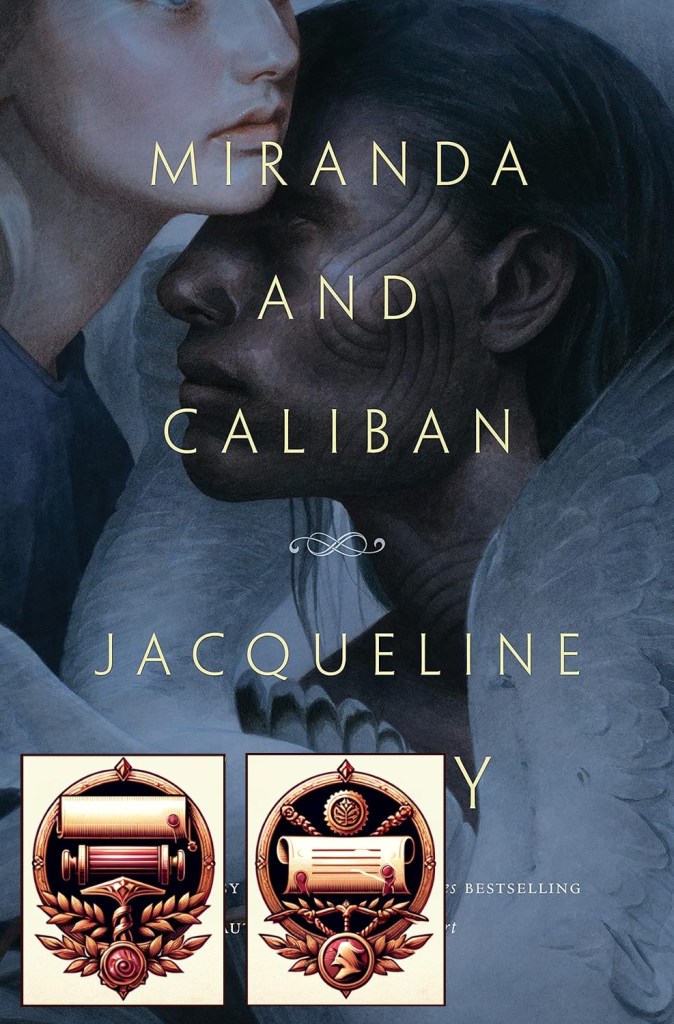
For excellent character creation and portrayal, I award The Seal. Ana definitely is set up to be a big player in future books, but Din especially shines. For phenomenal world-building, I award The Scroll. The ecology of the world alone is astounding, but add in the politics and history and classism… very nice. And for brilliant storytelling, I award The Quill Pen. In order for a mystery to work, the storytelling has to be on point. And it very much is.

If you you’re a fan of either fantasy or mystery, and especially if you’re both, I highly recommend picking up The Tainted Cup. I don’t think I’ve read anything quite like it, and I’m certainly glad I did.

As always, feel free to let me know if there’s a book you want reviewed.

Book Review: Miranda and Caliban

I want to start this review off with a disclaimer: I am in no way professing to be a Shakespeare expert. Am I smarter than the average bear regarding The Bard? Yes. Evidence: I subbed a high school English class a few months back and they were studying Romeo and Juliet. A couple of kids said they were shocked by the ending, and I was like, what? He literally told you it was going to happen. At the beginning. Like a bad movie trailer. Then I recited the prologue from memory.

While not an expert, after majoring in English and Theatre Arts, I’ve got a healthy bit of Shakespeare under my belt. And of all his plays, my favorite is The Tempest. I, for kicks and giggles, rewatched my Blu-ray copy of Helen Mirren’s Tempest a few weeks ago. I have a fairly detailed character work-up and world-building done for a Tempest retelling of my own I’d like to write. L. Jagi Lamplighter’s Prospero’s Daughter trilogy is on my shelf, patiently waiting its turn. So you can imagine my excitement when I heard about Jacqueline Carey’s Miranda and Caliban.

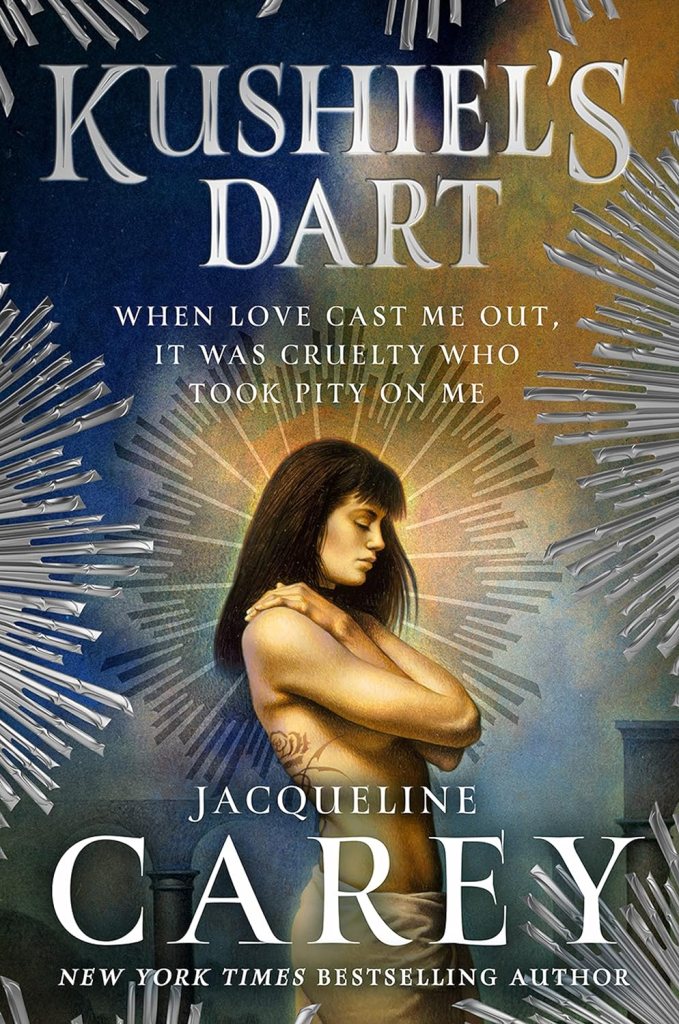
My first exposure to Jacqueline Carey came back in high school when Kushiel’s Dart was published. It’s an alternate history set in France, with fantasy elements. It was steamy. And BDSM-y. 2001 me definitely was not expecting what I’d stumbled across. Kushiel’s Dart was Romantasy before that was even a term. So when I picked up Miranda and Caliban and saw their physical closeness on the cover, you can imagine the expectations that bloomed in my mind.

Those expectations immediately ran into a brick wall. For those who haven’t read The Tempest, let me give you a very truncated version: Prospero, the rightful Duke of Milan, and his daughter Miranda are marooned on an island, having been nefariously exiled by his brother Antonio with the help of the King of Naples. On the island with them are Caliban, a monstrous-looking native, and Ariel, a powerful sprite, both of whom serve Prospero against their will.

With Ariel’s help, Prospero conjures a storm that shipwrecks his usurping brother, the King of Naples, and the King’s son Ferdinand. Prospero orchestrates events to lead Ferdinand to fall in love with Miranda. Meanwhile, he confronts the conspirators, leading them to repentance, avoids an assassination plot by Caliban, and ultimately forgives his enemies. He renounces his magical powers, frees Ariel, and prepares to return to Milan to reclaim his dukedom.

All’s well that ends well.

The problem I had at the get-go was this line from The Tempest:

Filth as thou art, with humane care, and lodged thee

In mine own cell, till thou didst seek to violate

The honor of my child.

Act 1, Scene 2, Lines 349-351

Basically, we learn that Caliban at one point tried to rape Miranda. And that he’s not sorry about it. So with this line in mind—with Miranda and Caliban being a love story—Ricky Ricardo started shouting in my head: “Carey, you got some ‘splainin’ to do!”

I never want to give spoilers, so I’ll just say what my expectation was for how this could work out. Prospero is the one who says Caliban tried to rape her, and Caliban (who is said to not have the greatest command of English) says he wishes it had happened. Miranda does not corroborate Prospero’s claim. The only way I could see this working was that they were in love and were just about to do the dirty, when Prospero walks in. He assumes it’s rape, when in actuality it was consensual.

That was my guess. I won’t say how it played out, except that Carey’s story makes sense regarding that line. There was another sticky part that I hadn’t thought about initially, though its problematic nature became very clear. Prospero and Miranda have been stranded on the island for twelve years. She was three when they arrived. That means she’s currently fifteen years old. Caliban was already there and living on his own, and he’s now nineteen years old. For them to have a relationship, especially a physical one… that’s a bit dicey.

With Carey’s retelling focusing on everything leading up to The Tempest, we’re able to see Miranda and Caliban’s relationship grow and bloom into something almost beautiful, contrasting well with the island and the demands of Prospero. What I enjoyed the most was the integration of magic into the story. In the play, Prospero does *hand wave* MAGIC. No explanation, nothing beyond the play telling us so. In this novel, we learn how the magic works, and what all the characters go through as a result of this magic.

It’s also fun to get internal monologues, character reactions, and thoughts to give deeper meaning to their relationships. Yes, actors can convey much on stage, but the text of Tempest, as with plays in general, is limiting. It’s the nature of the medium. But here, instead of actors conveying the story, Carey does so via the novel.

The only quibble I have with the novel is regarding the relationship logistics and my modern sensibilities. When they’re younger, we know there’s an age gap, but all their interactions are innocent. Friendly. As they get older, we learn the exact gap: four years. Of course, there can be the arguments of being historically accurate, or accurate based on the source material, but with adaptations, there’s always room for leeway. Creative liberties. Every reader’s sensibilities vary, but for me, the age gap might have been a good area to fudge.

And that brings us to the topic of the day: adaptations.

We’ve all seen direct adaptations of books: Harry Potter, Lord of the Rings, Gone Girl, etc. You’ve likely even seen direct adaptations of Shakespeare, like the Leonardo DiCaprio Romeo and Juliet, or the Keanu Reeves Much Ado about Nothing. I want to talk about adaptations that use the source material as a springboard as opposed to a script.

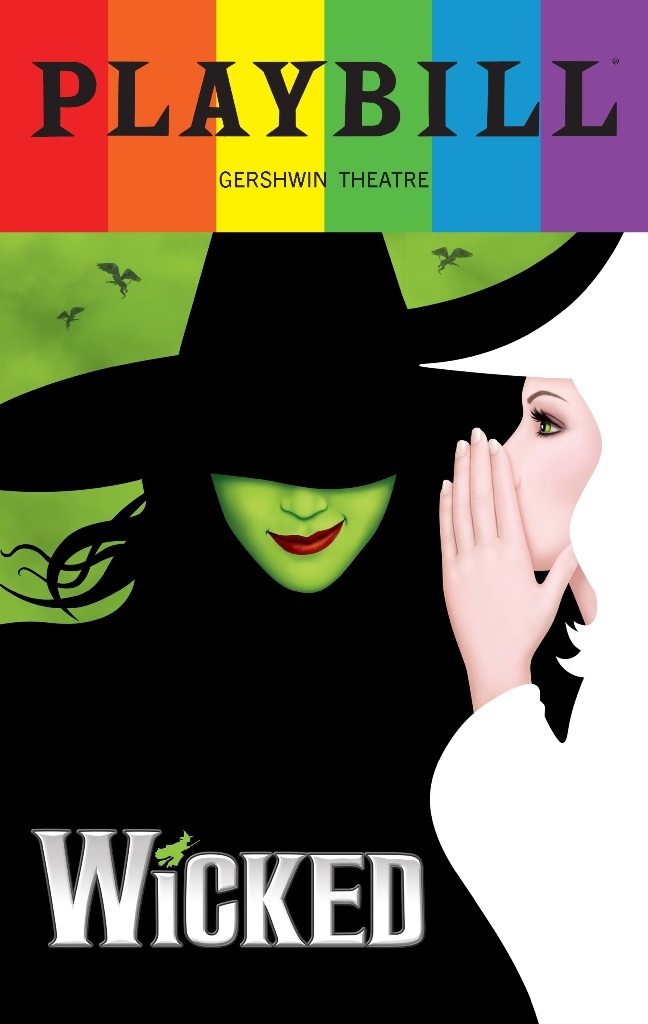
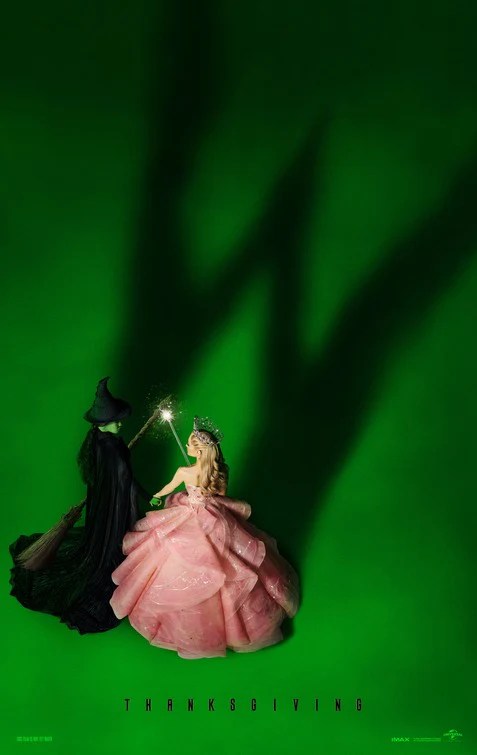
An interesting adaptation that comes to mind is Wicked. Gregory Maguire’s novel was adapted from the original Wizard of Oz novel. Specifically, the story of how Elphaba came to be the Wicked Witch of the West. Wicked was then adapted into a musical. That musical is now being adapted into film. But if we’re talking about Shakespeare, look at Lion King. Or 10 Things I Hate About You. Those are adaptations of Hamlet and Taming of the Shrew.

Or, if we want to look at novels, A Thousand Acres by Jane Smiley is King Lear. Fool by Christopher Moore is also King Lear. Moore’s protagonist also headlines two more Shakespearean adaptations, A Serpent of Venice and Shakespeare for Squirrels, the first being a combination of Merchant of Venice and Othello, the other A Midsummer Night’s Dream. Then there’s Shylock is My Name by Howard Jacobson, very clearly Merchant of Venice. And those are just the ones off the top of my head.

But what’s the point of adaptations? Why do we have them? It’s hard to speak on the motivations for others, but for me, it’s about the love of the story and characters. I doubt Christopher Moore woke up one morning saying, “Man, I hate that King Lear garbage. I should do it better. And raunchier.” More likely, given the sequels, he has a love for Shakespeare and wanted to share that love with an audience that may not have been as open to The Bard.

That’s another reason right there. Audience. This can work two ways. First, it can tap into a fan base that already exists. Had I picked up A Thousand Acres and read about a dying farmer and the drama revolving around what’d happen to his farmland, I’d have chucked that across the room and not looked back. But when I was given it and told it was King Lear, I was all, “Ooooh, interesting…”

The flip side is introducing readers to Shakespeare who have zero interest in him. You wouldn’t believe how much groaning and complaining I hear during the Romeo and Juliet sections in high school classes. But If I gave the kids who like dick jokes a copy of Fool, and the ones interested in modern fiction Shylock is My Name, all of a sudden you’ve got people invested in the stories of Shakespeare.

What makes an adaptation though? In Miranda and Caliban, Carey created a whole narrative to give context to the relationship between the titular characters, something portrayed in the original text as him lusting after her. Moore’s Fool takes us through the events of King Lear, but through the eyes of Pocket, and takes great liberties with the fool’s relationship with the other characters. Smiley’s A Thousand Acres’ setting is completely separate from King Lear’s, but runs through the same plot and character concerns. Each is an adaptation, and each is done differently.

As someone who has plans to write a Shakespearean adaptation, I can say that my goal is to introduce new readers. There’s not a ton of overlap with sci-fi and Shakespeare, so that could be a fun demographic to tap into. Also, as I said at the beginning, The Tempest is my favorite of his plays, so a love of the source material goes a long way.

So, with this broad understanding of the purpose of adaptations, how does Miranda and Caliban hold up? How does it fare with the Author’s Arsenal?

For exceptional character development, giving new depth to established characters, I award The Seal. For world-building and setting, giving life to an island and magic almost entirely unspecified in the play, I award The Scroll.

For non-Tempest readers, Miranda and Caliban is an engaging introduction to the world of the Tempest. For Tempest fans, it adds much more depth to the characters, Prospero and Ariel included. Jacqueline Carey has done a fantastic job of creating a narrative that will satisfy those familiar and unfamiliar with Shakespeare alike.

That’s all for now. As always, let me know if you have a book I should review.

Book Review: A Court of Mist and Fury

When I told one of my tenth graders I was reading this book, she was scandalized. We were on the topic of books because I saw her reading The Belgariad, which I was shocked by as I haven’t seen anyone reading that since I’d read it over twenty years ago. Apparently her dad’s making her read it. Good for him. And her, too.

Anyway, the idea that a dude, especially a grown-up dude, was reading that book was almost too much for her to take. I can only guess at her ideas as to why I was reading New Adult Romantasy (too sexually graphic for YA, IMO). Part of the reason was that I’d seen so much about the series across social media that I knew I’d have to give it a go at some point. Part was that Jacqueline Carey teed up the genre for me back in my Belgariad days. The third part of the equation was there were no holds on it in the Libby app. The stars aligned (and not just in the Rhysand sort of way).

Warning for book one (A Court of Thorns and Roses) spoilers. Obviously, in a book review for a sequel, there will be spoilers for book one. If you haven’t read it, stop here. If you have, here we go.

A Court of Mist and Fury picks up with Feyre and Tamlin, she newly fae and he once again fully empowered. They’re engaged, they’re in love, just what’d you’d expect following the ending of the first book.

But things are not as they seem. Feyre had made a deal with Rhysand to spend one week a month with him in the Night Court (sans John Larroquette), where she’ll learn exactly who Rhysand is, and what life is like for the fae when not under Amarantha’s thumb.

Feyre not only has to deal with that bargain, but also the fame that comes with being the one to stop Amarantha. Everyone knows, and everyone is very, very grateful. And I’m not just talking about her Summer Court subjects (she is engaged to Tamlin, after all), but the fae across all the courts.

I don’t want to get into spoilers, and because the narrative structure of this book is different than A Court of Thorns and Roses, it’s hard to say more than what I already have without giving away surprises. What I will do is offer comparisons between the two.

More magic? Yes. More of the hot and sticky? Yes. Higher and clearer stakes? Yes. More fun action? Yes. More Feyre acting illogical? No, thankfully. All around, it’s a better book than the predecessor.

I spent most of the first section afraid that it would be nothing but illogical Feyre, but as soon as it switched gears I was on board. Tons of fun character development, world building, and contextualizing moments from the first book that enriched the narrative and made me like the first book more than I initially did.

Some of the non-perspective character motivations were a little shaky at times, but with so many characters, it’s hard to make everything fit snuggly. It has been the most fun read of the year so far, but it’s not without its flaws.

Which brings me to the craft subject of the day: foreshadowing.

Foreshadowing is a fairly common concept, but also very broad. Simplistically, foreshadowing is a warning or indication of a future event. But that definition implies we recognize the foreshadowing. Sometimes that’s the point, to purposefully clue the reader into something. Concrete foreshadowing. When Romeo dreams of seeing Juliet dead, the audience knows that’s how he’s going to find her. When Chekhov overtly draws attention to the gun, we know it’s going to play a role.

Other times, we’re given hints that only make sense after the reveal. Prophecy foreshadowing. Like in Sixth Sense, when the kid says he sees dead people, and they don’t know they’re dead. When we find out Bruce Willis is dead, that line carries a lot more meaning. Or even in A Court of Thorns and Roses, when there’s the line about Tamlin’s stone heart, we think it’s a common metaphor about being cold, or callous. Then we find out it’s a literal stone heart which is the key to defeating Amarantha.

Flashbacks and flash-forwards are another common medium for foreshadowing. In Hunger Games, we get the flashback of Peeta giving Katniss bread, essentially feeding her when she’s in need. Later, when Peeta needs feeding, Katniss feeds him, balancing out that act of kindness.

Next up is abstract, or symbolic foreshadowing. This is often used with setting. It was a dark and stormy night, or, a fog settled over the town. It can also be used with objects that have cultural meanings/baggage. In American Beauty, there is the iconic scene of the young girl lying in a pile rose petals, with more falling on her. Roses are often a symbol of romance and lust. In the same movie, you see the main character’s wife methodically pruning the roses in her yard. This will give us expectations about his relationship with both those women.

Lastly, we have fallacy foreshadowing, or a red herring. This is similar to the concrete foreshadowing, except it is supposed to trick the reader, as opposed to give them insight. When Obi-Wan tells Luke that Vader killed Luke’s father, that sets up the surprise reveal that Vader is Luke’s father. In Game of Thrones, Littlefinger pits Arya and Sansa against each other, readying us for a sister vs sister showdown, but they join forces and turn on him.

Foreshadowing is effective in that we have learned how to interpret the various types, and when the reveal comes, we are pleased or satisfied. When foreshadowing doesn’t work is when it tries to be one type, and ends up falling flat, or turns into another type. When you set up a proper foreshadow, you essentially make a promise to the reader. If you don’t fulfill that promise, the moment falls flat, and you lose that reader’s trust.

As I mentioned earlier, Sarah J. Maas handles foreshadowing well in the first book, especially with that stone heart moment. There are good instances in A Court of Mist and Fury as well (the one that stick out involves her sisters), but also a mishandled one that, for me, kept me at arm’s length the rest of the story. I won’t give it away, I’ll just say it involves “merfolk”, so you know what I’m talking about when it happens.

So how does A Court of Mist and Fury fare with the Author’s Arsenal?

For world-building and setting, A Court of Mist and Fury earns The Scroll. We had a taste of the fae world in the first book, and we really delved deep and explored so many new locations and cultures, in addition to expanded on what we already knew.

And for character building, it earns The Seal. Many of the characters were presented in new light, and grew to be much more than they were before. The relationships between Feyre and her companions (and their relationships with each other) are was drive the narrative and suck the reader into this world Maas has created.

Unlike some other books I’ve read recently, I’m looking forward to the next installment. I’m just hoping Elain becomes more than just a pretty mannequin.

Side note: If I had the time and energy, I’d have tied The Belgariad into the review’s ending, a sort of foreshadowing. But it has been twenty-plus years since I’ve read them and it’s hard to remember specific details. Forgive me. 🙂

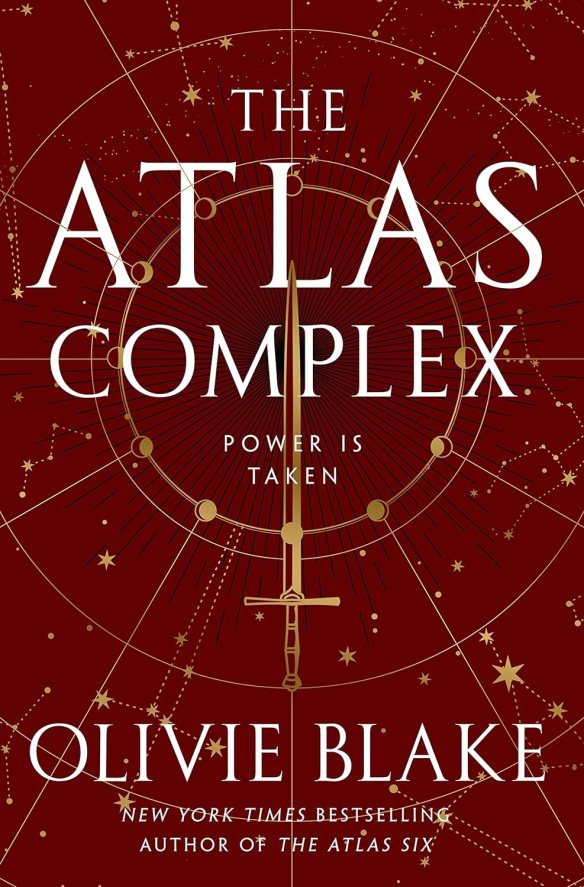
Book Review: The Atlas Complex

I read a lot of books. A lot. Most of the time as I’m reading, I’m simply enjoying the words in front of me. Sometimes I’m slogging through them. Infrequently I’m blown away by what’s in my hands. When I read Olivie Blake’s The Atlas Six last year, I was blown away. Yes, as you’d expect, the writing was good. But what thoroughly engaged me was the breadth of knowledge across fields of study and the application and integration of that knowledge in the story.

I immediately burned through the second book, The Atlas Paradox. It built on much of what had been established in the first book, upped the stakes, contextualized and humanized some characters, and was a worthy successor to the first one. Then I was sad because I had to wait until the third one was published.

And so here we are now, The Atlas Complex is out, and I have thoughts. As always, I strive for spoiler free reviews, but I do want to note that the only way to talk about this book is to spoil parts of the first two. If you’ve read them, then you can proceed safely. If you haven’t, and the blending of the psychology and morality and philosophy of magic sounds interesting, then go get a copy of The Atlas Six. Right now. Like, stop reading, and do it.

The Atlas Complex follows our favorite sextet (and their add-ons) as they try to make sense of their new (sort of) freedom. Libby is back from the past and a newly minted mass murderer, Parisa is shacking up with Dalton and scared of her own mortality, Reina and Callum are off playing God and trying to fix the world (good luck with that), Tristan’s trying to figure out where the hell Atlas went and how he’s supposed to handle the Archives, and Nico just wants everyone to be friends.

As with the first two books, the entire narrative focuses on the characters and their journeys. The plot is their relationships with each other. The story is their relationships with each other. The trouble is their relationships with each other. You get the idea.

Some of our questions from the prior books get answered. Libby and Nico: Will they or won’t they? Callum: Does he care about anything? All of them minus Libby: Who hates themselves the most?

One of the more interesting aspects of the third installment is how much more screen time side characters get. We get inside Dalton’s head (in a non-literal sense this time). We get to see how Gideon’s handling everything with his mom and Nico and Libby and a few other issues rearing their ugly heads. And, we get brief snippets from members of The Forum.

What does this mean? The driving force of the trilogy is the character work Blake presents us with. In the afterward of this book, she talks about how her goal was to write a story where the characters and their relationships became the plot and story. That strategy was what made the first book so novel (at least to me), and the second and third followed suit. The problem is that when something novel is done repeatedly, it starts to lose that novelty.

Ultimately, while the characters were still engaging and interesting, their stories alone weren’t enough to conclude a trilogy. Blake easily compels us to invest in her characters, but we end up lacking reason to invest in a greater conflict.

What is the greater conflict, you ask? That’s a very good question. I wondered that too as I read this. And that brings us to today’s topic: stakes.

Why does Frodo need to destroy the One Ring? To prevent Sauron from ruling Middle Earth. Why does Elizabeth need to get married? So the Bennett family won’t go bankrupt. Why does the Cat in the Hat need to clean up his mess? Because mother will be very angry when she gets home if it’s dirty.

Regardless of the perceived severity, stakes drive narratives and characters, and are the reason characters do what they do. There are several levels of stakes that can be at play: public, personal, and philosophical. If we look at the Elizabeth example, the public stake is her family’s wealth. Pretty straight forward. The personal stake is her own pride. She believes Mr. Darcy looks down on her family for being lower rank and accepting his proposal will wound her pride. The philosophical stake is losing her belief that society shouldn’t care so much about wealth and rank.

It’s not enough to have a world-ending catastrophe to avert. It’s also not enough to overcome personal demons. A good narrative will have multiple levels of stakes, often connected or reliant on each other. Elizabeth isn’t the only person with stakes in Pride and Prejudice. Each character needs something, some motivation and something that motivates them.

An easy way to to establish stakes, at least early on as you’re figuring out your story, is to take your character, figure out what makes them great or wonderful or happy, and then decide how to destroy those things. Doing bad things to protagonists inherently creates stakes. You can tweak them or think of new ones throughout the process, but attacking their comfort zones is a great place to start.

Based on what I’ve mentioned with The Atlas Complex, it shouldn’t be a surprise that it’s lacking in the stakes department, but how did it fare otherwise with the Author’s Arsenal?

For exceptional character development, The Atlas Complex is awarded The Seal. Character is what drives this whole series, and The Atlas Complex in particular relies on character to engage the reader and advance the story.

That about wraps this up. Happy reading, have a great weekend, and stay tuned for more. And as always, if you have a book you’d like reviewed, add a comment and I’ll try and fit it in.

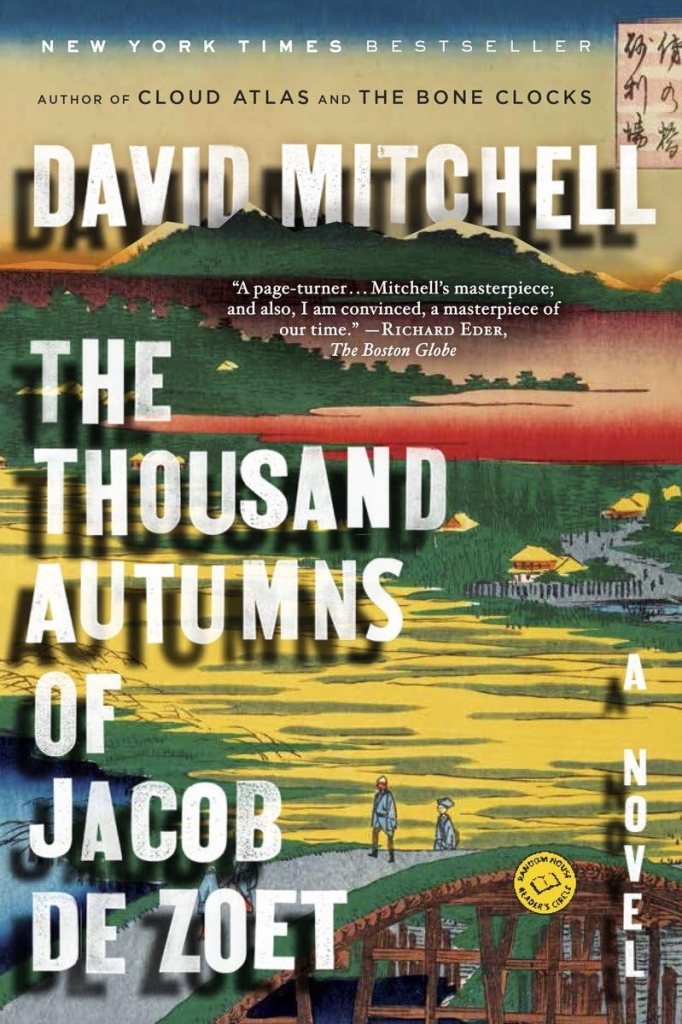
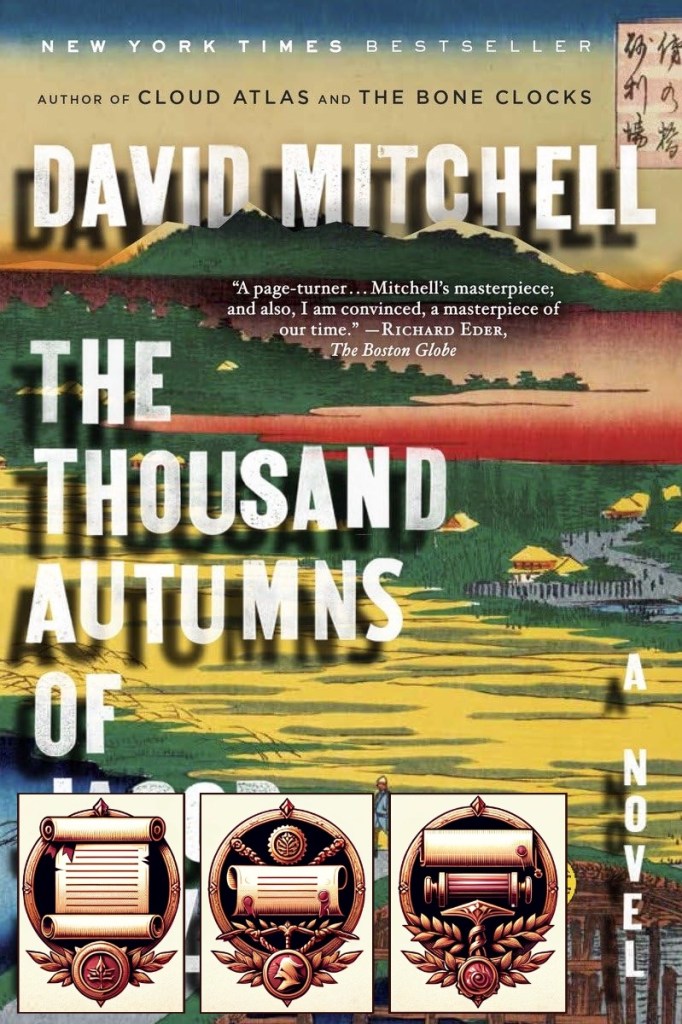
Book Review: The Thousand Autumns of Jacob de Zoet

Welcome back for another book review. I want to preface this with an admission of the chance for bias. David Mitchell is one of my favorite authors, perhaps even my favorite, though it’s really hard to choose. One of my short pieces I plan to shop around once I think it’s good enough is actually about him. With favorites, there’s a tendency to overlook faults or take strengths for granted. I’ll try to do neither.

You may wonder why, if Mitchell is one of my favorites, I have not yet read The Thousand Autumns of Jacob de Zoet until now, when it’s been out for well over a decade. Circumstance and poor luck. Shortly after it came out and I acquired it, I moved. It went into one of many boxes, and most of those didn’t get unpacked for a while. By the time they did, I found a box had disappeared in the move, along with half my Mitchell books. I assumed they’d show up and then I’d finish reading it, but eventually I gave up hope and just now reacquired it.

That out of the way, let’s get to it. A spoiler-free review of The Thousand Autumns of Jacob de Zoet, by David Mitchell.

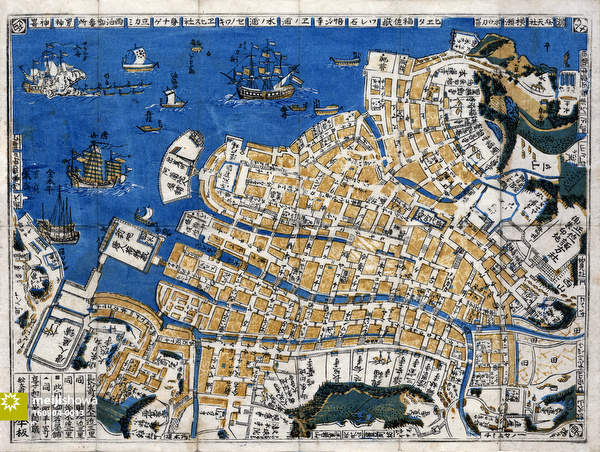
The Thousand Autumns (I’ll refer to the novel thusly to save space and prevent finger strain) follows three primary characters: titular clerk Jacob de Zoet, unlikely medical student Orito Aibagawa, and Japanese-Dutch interpreter Uzaemon Ogawa (I’ll order Japanese given and family names as we’re used to in Western culture to prevent confusion). Set in Dejima, a trading enclave in Nagasaki, Jacob is trying to make money so he can marry his betrothed back in the Netherlands. He meets Orito by chance, and Uzaemon for need of an interpreter.

Map of Nagasaki from 1801 (Kyouwa 1, 享和元年). Dejima (also: Deshima) is clearly visible in the harbor. Printed by Yamatoya (大和屋板).

What starts off with the makings of a love story morphs into a story with ever expanding scope and the mysticism/magic you’ve come to expect in a Mitchell novel. Things are never as they seem, nor are people. More so of course than is expected anyway, as that sentiment can be applied to nearly every person or character.

Throughout the story, all the characters are faced with trials of morality and ethics. None as much as Jacob, Orito, and Uzaemon. Sometimes strong ethics serve a person well, other times they hurt. The ramifications of those choices drive the narrative as well as the whole Nagasaki region.

A few aspects I want to highlight in particular are setting, prose, and character. Let’s start with setting.

When I was in school, the foreign language I studied was Japanese. My wife also studied it, though she lived in Japan and focused more on the culture and history than I did. She read this book and said she found the setting boring because she already knew about the era and life of the Japanese and their policies regarding trade and foreigners and all the details were old news for her. What that tells me is that Mitchell has done his homework.

As a fan, I know that Mitchell has spent time in Japan as well and speaks Japanese, so it’s no surprise his knowledge of the language, culture, and history are so accurate. As someone who focused more on the language and less on the other aspects, I found the portrayal to be enlightening, the dynamics of Japan’s isolationism 200 years ago tremendously interesting and mind boggling at the same time.

There are true events woven into the story, like the attack of the British in Nagasaki, what I assume to be the Great Kaga Earthquake, and of course the warring European nations. These moments ground the reader in the reality of the world which serves to both strengthen the impact of Mitchell’s story and also highlight his unique book-to-book connections.

Moving on to prose, Mitchell was aided in that he was able to draw on Japanese symbology and propriety to help order rich, authentic words such that the sentences seemed foreign and familiar all at once. I noticed in particular a tactic of interspersing descriptions of setting between spoken words and actions that I don’t recall in his other writing, and that’s having just read Utopia Avenue a few months ago.

I haven’t the audacity, nor experience, to try and accurately portray another living culture’s mannerisms speech patterns, and when Mitchell does so in The Thousand Autumns, I never felt for once that he was stereotyping or using unusual vocal patterns as an interesting crutch, relying on the foreign sounds or diction to engage the reader. When Orito or Uzaemon spoke, their words read authentic and true, which is no small task. That holds true with their thoughts as well.

Lastly, before I go into craft, I want to mention a brief thought on my reactions to character. Talk to anyone who knows me, and they’ll tell you I’m not outwardly emotional, perhaps bordering on sociopathic. That’s a bit of an exaggeration, but the point I’m trying to make is that I’m rarely emotionally responsive. For me to react emotionally to a book says something about its efficacy. (Unless we’re talking about rage quitting. Non-effective storytelling there. I’m looking at you Ready Player One)

There’s a moment, and I’m being vague to avoid spoilers, where Jacob has to say goodbye to someone. I got choked up. Like, tight throat, sniffles, the whole shebang. The moment wasn’t an overly dramatic profession of love, or a heart wrenching death of a beloved character, but a simple goodbye. The reaction this moment elicited could only have been achieved through solid portrayal, and thus investment from me, of the character Jacob.

Okay, on to craft talk. Today’s topic: Research.

I touched on this earlier in setting, but wanted to expand beyond the scope of The Thousand Autumns. I can think of few exceptions where research would not be necessary for a novel. I’m sure Neil Gaiman had to dig through tons of myths and religions when he wrote American Gods. Or Cherie Priest had to find maps and records of 1880s Seattle for her Boneshaker books. Research lends credibility to a story, but it also grounds the reader in the world.

Imagine you’ve picked up DaVinci Code and you’re following Robert Langdon through the Louvre and Dan Brown throws in something about racing past Rodin’s The Thinker on his way to the Mona Lisa. Dan Brown is pretty sure The Thinker is in Paris, and the Louvre has all the cool stuff, so it’s probably there. Spoiler: It’s not. It is in Paris, but it’s at Museé Rodin, not the Louvre.

The magic of DaVinci Code is all the research that makes the story, the interconnected bits of history, engaging the reader with history. Every place Langdon visits is real. I actually have an annotated copy of the book complete with photos and illustrations of the sites and pieces of art. Few people will know every art and history reference in the book, but having that information there raised the reading experience to a whole new level.

Research gives validity to the world of your story. And it doesn’t matter if your world is Earth or Mars or Xanth or something I’ve never heard of. Sometimes research it just finding the proper details. I’m working on a story where the protagonist is a carpenter and I had to learn how to build a chair with medieval era tools. I already knew how to with modern tools, but I can’t exactly have my character whip out a cordless drill. Or there was the story of mine just published in Space Brides. Exactly how bright is Jupiter if you’re standing on Europa? How far does that elevator ride through the ice need to be? Research.

I know sometimes research may seem like a slog, that every page you get to poses a new question that interrupts your flow. One trick is to throw a placeholder in so you can keep writing and do the research later. For months I had “HE BUILDS A CHAIR” followed by the rest of the scene. Another is simply read a ton about what your character knows or experiences before you write and you can just go with it. Or, if you’re David Mitchell, go live in Japan for a decade. To each their own. 🙂

I can’t really give advice as to how to best do research. That depends on you and your story. But I can’t stress enough the importance of it. We’ve all heard of the seven basic plots that all stories follow. What separates those stories from one another are the details. We get those details from research. Details enrich the reading experience and color your worlds. Find those details. Do the research.

Now, time to break out the Author’s Arsenal and throw some accolades at The Thousand Autumns of Jacob de Zoet.

For accurate linguistic depictions and line to line pacing, I award The Parchment. For making me emotional and balancing culture with agenda, I award The Seal. And for the research, for bringing an accurate (of course accounting for factionalized elements) world of turn of the 19th century Japan to his readers, I award The Scroll.

For those who have not read David Mitchell, these awards should not be surprising. His novels are regularly long and short listed for awards, and the varied settings and times they take place in always present something new. My first exposure to him was Cloud Atlas. It is my favorite book of all time. Just phenomenal. But, if you’re thinking about reading The Thousand Autumns of Jacob de Zoet, don’t. At least, not first.

I needed to put in here somewhere that most of his novels are loosely (some not so loosely) connected. You technically could read them in any order, but I think what makes the most sense (and my google search confirms my thoughts) is that you should read them in order of publication. That would mean Ghostwritten, number9dream, Cloud Atlas, Black Swan Green, The Thousand Autumns of Jacob de Zoet, The Bone Clocks, Slade House, and Utopia Avenue. For me, the weak link was Black Swan Green, but I know those who really enjoyed it.

Hopefully this review will have made a new Mitchell fan or two. Until next time, happy reading, and if you have any books you’d like me to read and review, let me know.