Year of Sanderson Review

Back in early spring 2022 Brandon Sanderson started a Kickstarter for what he’s dubbed The Year of Sanderson. Apparently during Covid he had a ton of extra time and so decided to write extra books on top of his scheduled writing. Jealous much? I know I am. The Kickstarter went on to become the most successful Kickstarter ever, bringing in just shy of $42 million. Dang.

The main draw was the four new novels, but you could spend more and get shirts and tickets and whatnot. I’m not big on acquiring random clutter (though my wife will say otherwise. Depends on your definition of random I guess), so the books themselves are what drew my interest.

The books themselves released once per quarter this year, with the final novel reaching backers this past month. I finished this final novel last week and after several conversations about the books with other Sanderson lovers, I’ve collected my spoiler-free thoughts.

The four books, in order of release, are Tress of the Emerald Sea, The Frugal Wizard’s Handbook for Surviving Medieval England, Yumi and the Nightmare Painter, and The Sunlit Man.

We’ve all been told not to judge a book by its cover, but it seems that is one of the goals of these books. As you can see, each of them has a stunning cover just begging you to open it. It seems silly to rank the books by the covers, but if I had to, it’d be Tress, Yumi, Sunlit Man, then Frugal Wizard.

But that’s not where the amazing art ends. Each book contains a ton of unique illustrations, which for copyright reasons I won’t share here, stylistically appropriate for the story. Because of the intentional style differences it’s hard to compare them, but I enjoyed the Yumi illustrations the most, likely due to my interest in Japanese culture.

Book titles also have work to do, drawing in readers and creating the first promise between author and reader. The blandest title here, though very fitting for the story, is The Sunlit Man. Looking simply at the titles, that’d be the last one I’d grab. The other three are a toss up, each presenting us with information about the protagonist(s) and the world. Great titles.

Now time to get down to the brass tacks. The pictures are great, and can go a long way to enhancing a story (I’m looking at you Axel Scheffler), but ultimately our enjoyment comes down to the story, the writing, and the multitude of feels the words trick our brains into feeling. I probably could break down each one for various reasons, and I suppose if anyone asks I would, but based on my conversations, the ranking is rather obvious.
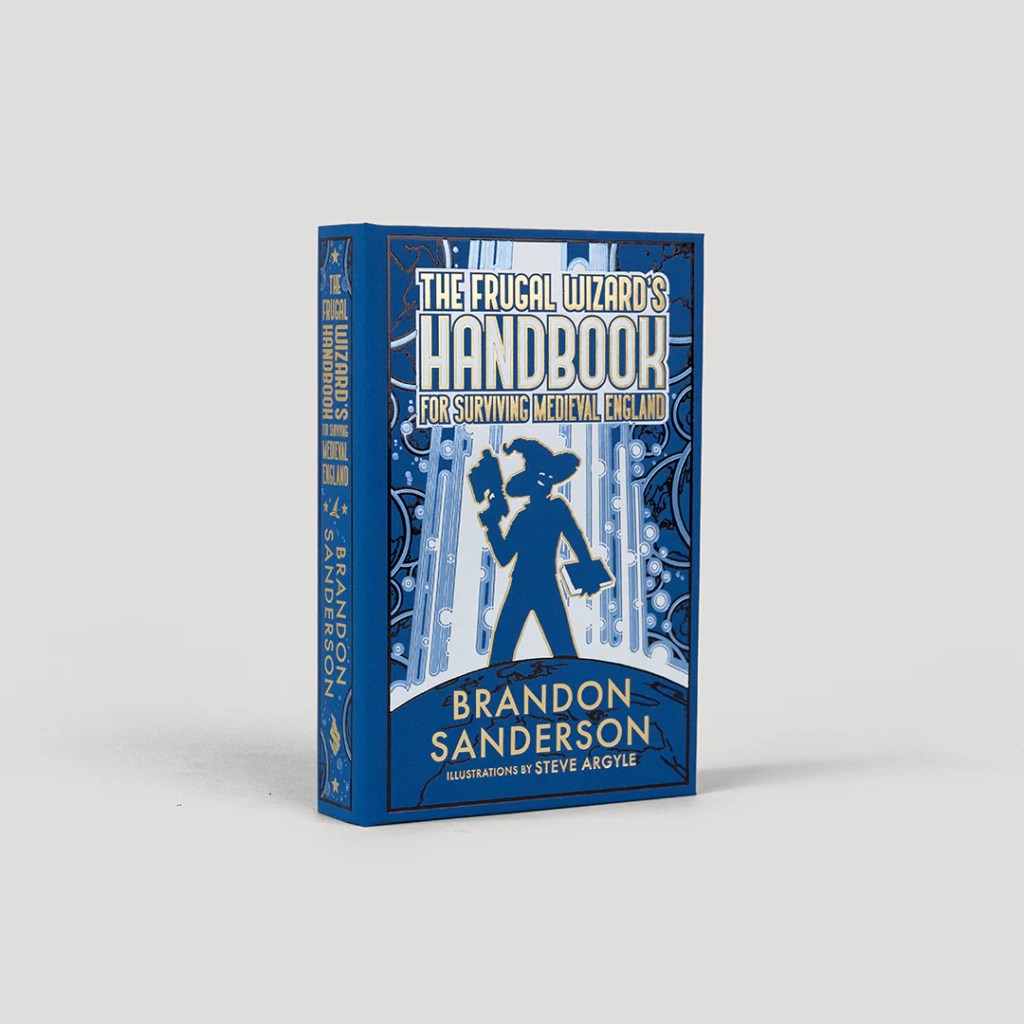
I’ll start on the bottom. The Frugal Wizard’s Handbook for Surviving Medieval England brings up the rear in this four book collection. I wouldn’t say it’s significantly outpaced by the next two, but it’s also not super close. It was an entertaining enough story, but I feel it lacked the character connection you’d expect in a Sanderson book. I suspect the reason for this is what I also view as the strongest aspect of the story: the character’s memory loss. I don’t want to do any spoilers, but amnesia can reveal interesting twists (which this does), but can also make the character harder to identify with (which this does).
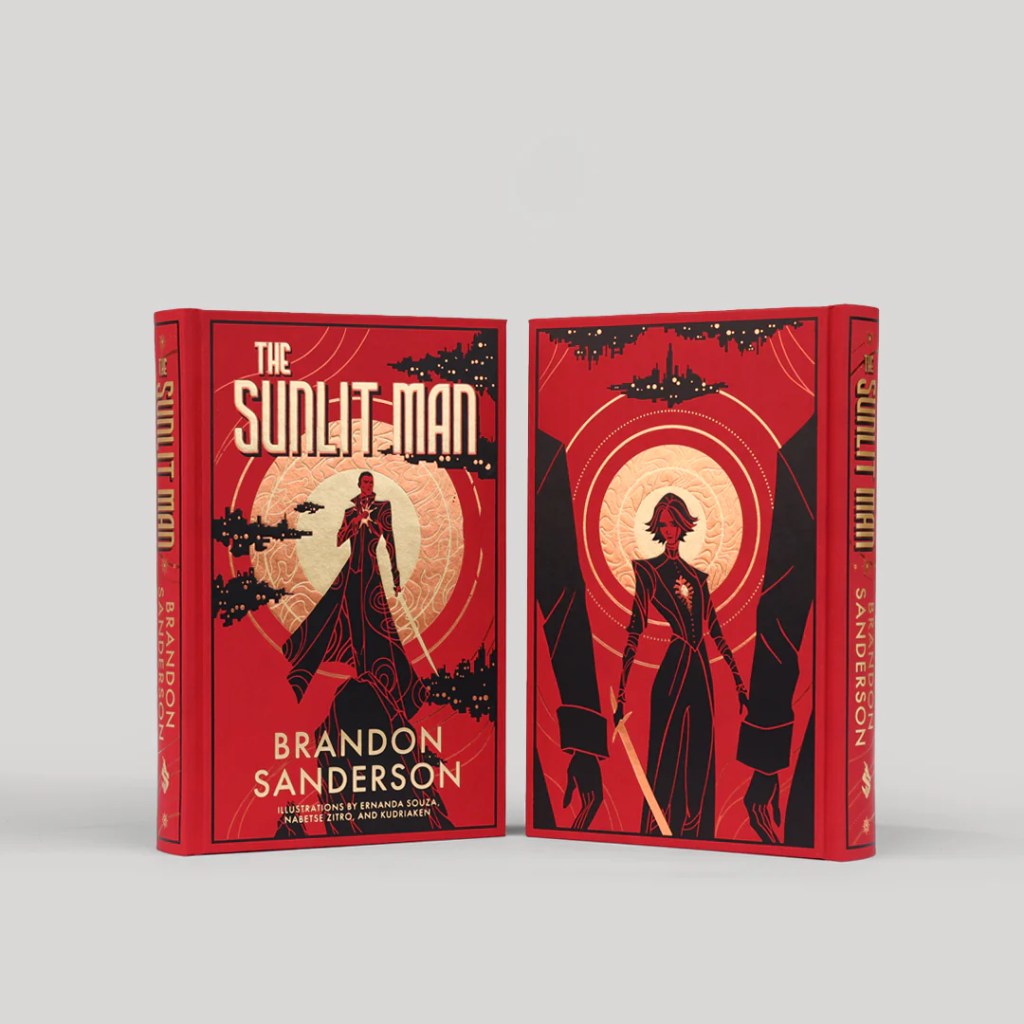
Number three and number two were a bit closer, and I think they’ll flip flop depending on who you ask and their style preference. My number three is The Sunlit Man. It has strong characters, central and supporting, a unique world and culture, and is set apart from the others by its breakneck pacing. It also fits snugly into the Cosmere and brings back a fun character (not counting Wit. That dude is everywhere). For those who enjoy action and plot advancement, this is the book for you.

Number two is Tress. Tress definitely reads more YA, which isn’t a bad thing of course, but if you just finished a Stormlight book, prepare for a tone change. In Tress, Sanderson is able to embrace the joy of a sailing adventure, while at the same time working in all the magic, world building, and characterization we’ve come to expect. The plotting and rationing of information is near perfect and, like Sunlit Man, ties into the Cosmere organically, especially following the last Mistborn book. My only critique, and I say this knowing Sanderson considered these books POV experiments, was the POV. The narrator was as entertaining as always, there were just a few logical fallacies that stood out. Maybe I noticed because I was taking a POV grad school class while I read it. Others I’ve talked to haven’t noticed or cared.

That leaves number one: Yumi and the Nightmare Painter. Yumi is leaps and bounds above the other three in every possible way. The characters are crisper. The world is more engaging and integral to the function of the story. The integration with the Cosmere is broader. It was balanced and fun and magical. Each of the other books excelled in a particular area, but Yumi pulled everything together into one fantastic story.

At the end of the day, they’re all fun reads. If you miss out on Frugal Wizard, don’t feel bad. If for whatever reason you’ve only got time for one, read Yumi. If you plan to read them all or have already done so, it won’t be wasted time. Sanderson has always excelled in characterization, magic, world-building, and intricate plotting, and these stories are no exception. If you didn’t back the Kickstarter, find a friend who did. Otherwise, all but Sunlit Man have hit bookstores, and you can preorder Sunlit Man right now.

Happy reading to all you old and new Sanderson fans. Now we just have to wait until November for the next Stormlight book.
Oh, Then, I See Vespiquen Hath Been With You

One of the benefits of having a kid in kindergarten is the random bits of inspiration they provide. Sometimes it comes in the form of misused words. Sometimes they make a joke that makes zero sense but it hilarious to them. This time, it came from Bananagrams and Pokémon.

Last night Westley brought the kid’s Banagrams set to the table and organized all the letters and letter combinations (kid’s Bananagrams combines common letter pairings like sh and ai). He then started spelling out Pokémon. First was Ratatta, then Raticate, then Rapidash. He got through the r’s and did Sandshrew.

Here, he made sure to tell me it was a compound word, sand and shrew. The inspiration came from how he said shrew. I can’t really explain his exact tone since my mind was already headed in a different direction, but as soon as he said “shrew” my mind went to Taming of the Shrew, and then to Taming of the Sandshrew.

Now, being an English and Theatre major, Shakespeare is firmly in my realm of interests. Two of my plotted out future novels incorporate The Bard heavily, and I once considered making Shakespeare themed clothing (like women’s underwear that says “Out, Damn Spot!). I also have played Pokémon off and on since the very first games and very first cards (Tyler, if you’re reading this, I hope you kept that first edition Charizard). And I still play Pokemon Go (My 100IV maxed Tyranitar dares you to laugh). Combining the two has more than just tickled my fancy.

Since I only just started thinking about this last night, I haven’t fully mapped anything out (more about that later), but my favorite so far is The Taming of the Sandshrew. I imagine Katherine the Sandshrew being a prickly local Pokemon that all the people avoid. The most unruly Pokémon in town.

Enter Petruchio the Pokémon trainer. He loves all Pokémon and patiently trains them to be their best versions. There’ll be the back and forth you’d expect from this parody, and instead of a romance it’ll be a friendship. Throw in a tournament to keep with the Pokémon world and voilà, Taming of the Sandshrew.

A couple other thoughts that popped into my head were Macbeth in Lavender Town with Gengar as Banquo, Romeo and Juliet but Zangoose and Seviper, and A Midsummer Night’s… something, but with Jigglypuff making people fall asleep. Super fun thoughts, but also super problematic in a budding writer’s world.

As my wife was quick to point out, “there’s no way to make money off this.” There are the obvious copyright issues. Fanfic is a thing, but there’s not a not of monetization with that. And given the amount of time dedicated to getting my novel done and short fictions published, allocating time to this project might be counter productive, meaning this blog post is likely all the attention this idea will receive.

So what to do? Hopefully put a smile on the face of whoever reads this. The Venn diagram of Shakespeare readers and Pokémon players might not have significant overlap, but it’s there. Hopefully this prompts someone else to think of something clever combining the two.

Aside from that? Nothing. I’ve already come to terms with the fact that I can’t write as fast as I can come up with ideas. Since my last post I’ve plotted out two more novels, one of which could easily start a trilogy, and I probably won’t do anything with them for a decade.

Sometimes a fun idea will just end up being a fun idea. But I don’t think I’ll ever not want to see Hamlet talking to a Marowak skull.

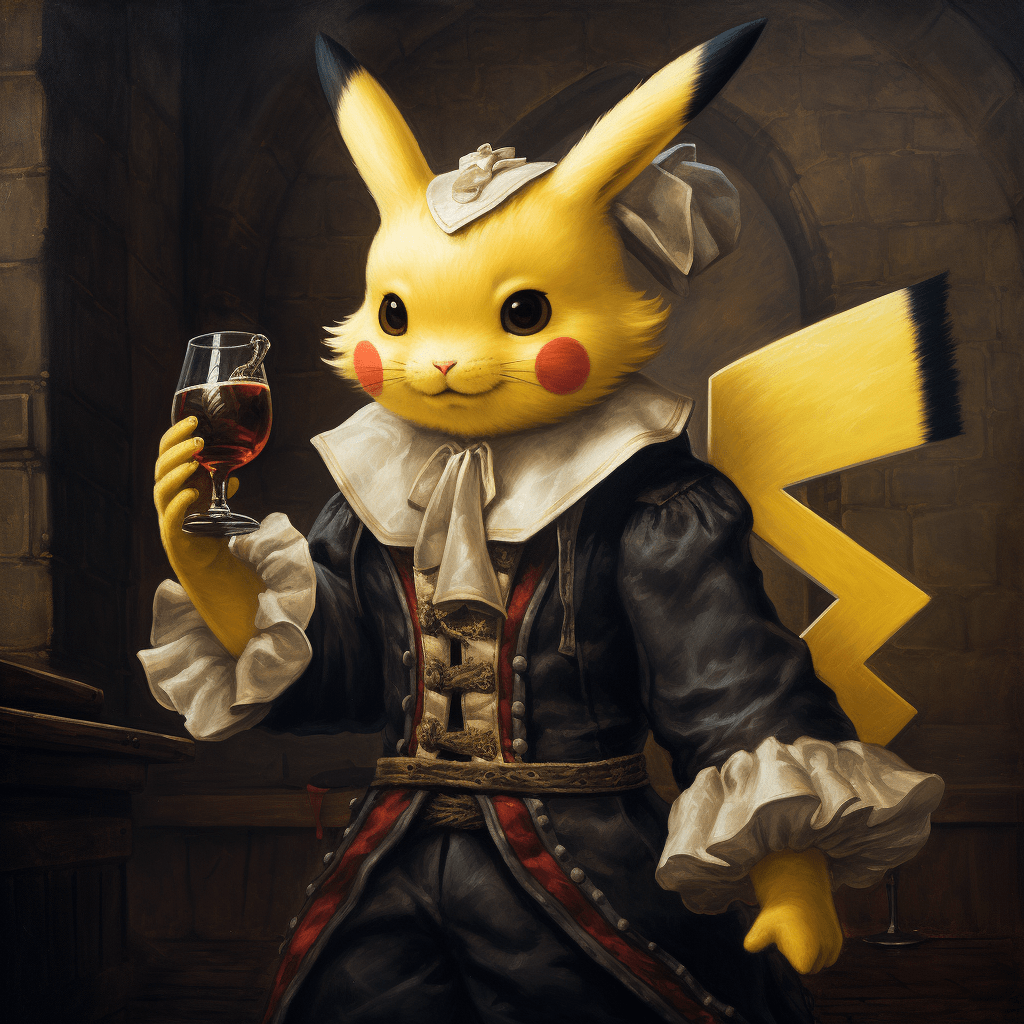
PS: The pictures all came from MidJourney. I use it a bunch to come up for visuals for my writing since I can’t picture things myself. It’s super fun, though never give you exactly what you want. Here’s a preview image I’m using for my last short fiction piece before going back to editing the novel:

Brainstorming Strategies

Hello everyone and welcome back. A while ago I briefly mentioned a brainstorming strategy I used when coming up with story ideas and promised to go more in depth later on. Well here that is. But that’s not all! I promised one brainstorming method, but today I’ll give you three! (For the record, I hate exclamation marks. I don’t use them lightly. I believe in the current draft of my novel there are exactly two.)

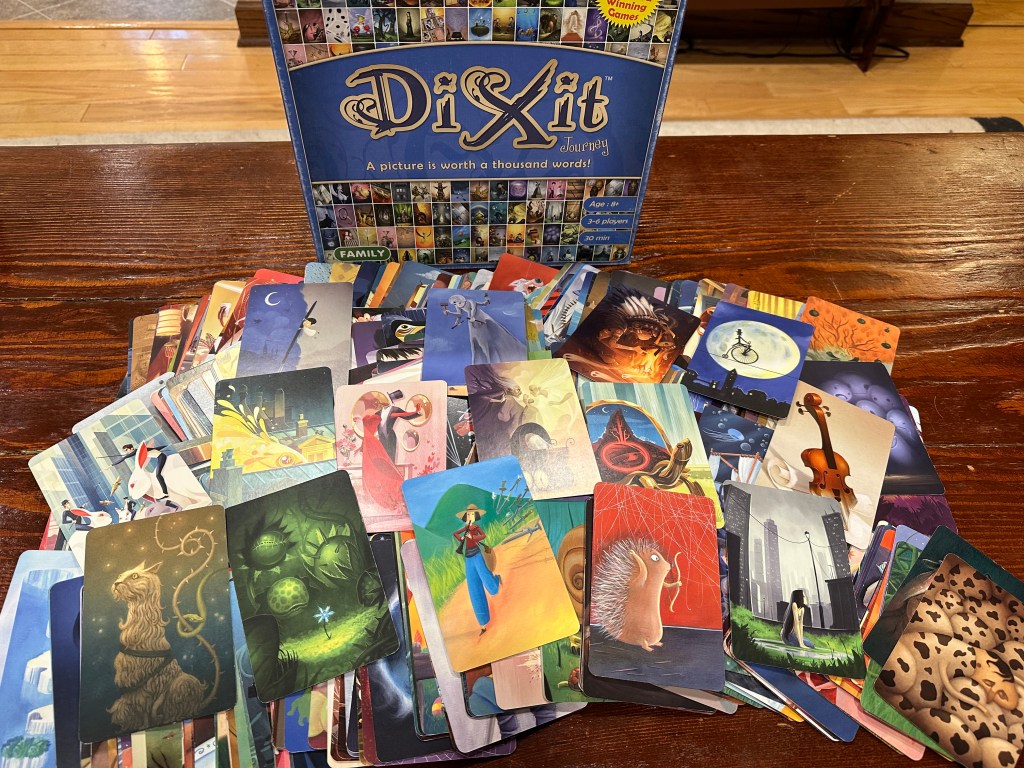
The first one I’ll go over is historically my favorite and one I still use. It requires a copy of the board game Dixit. I will admit I may be spoiled in its creative capacity due to having all the expansions, but when I first used it I only had the base game and that worked just fine.

If you don’t know the game, it’s basically Apples to Apples or Cards Against Humanity, except the cards are all illustrations and the age level restrictions are entirely what you make them. We first played with our son with he was three and while his answers were simpler, they worked just fine. But how to brainstorm with them?

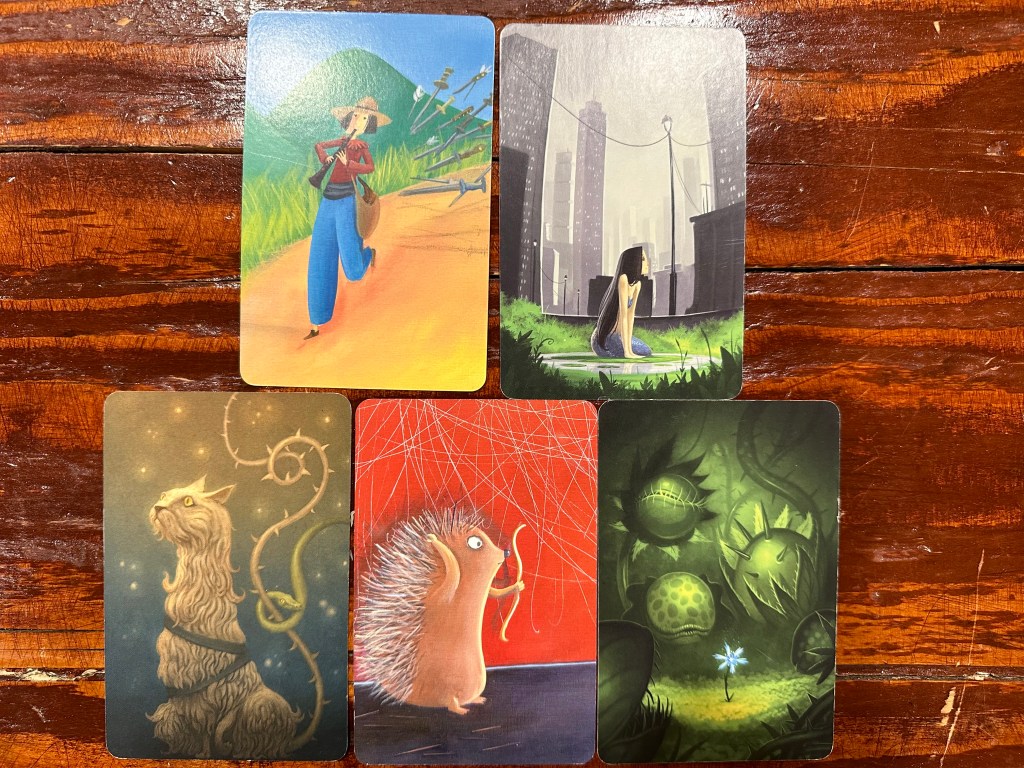
I’m going to give two different examples of when I used them and how I approached it. The first example was to create a short story. I didn’t go into knowing the length or the genre, I just wanted to spark something creative in me that was unexpected. So I shuffled up the cards and dealt myself five. I’ve found that dealing more will present too many options and it’ll be hard to focus.

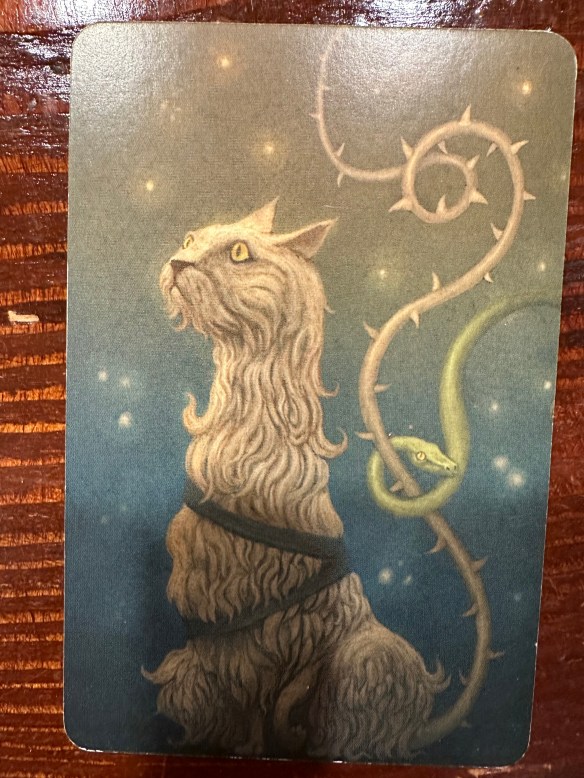
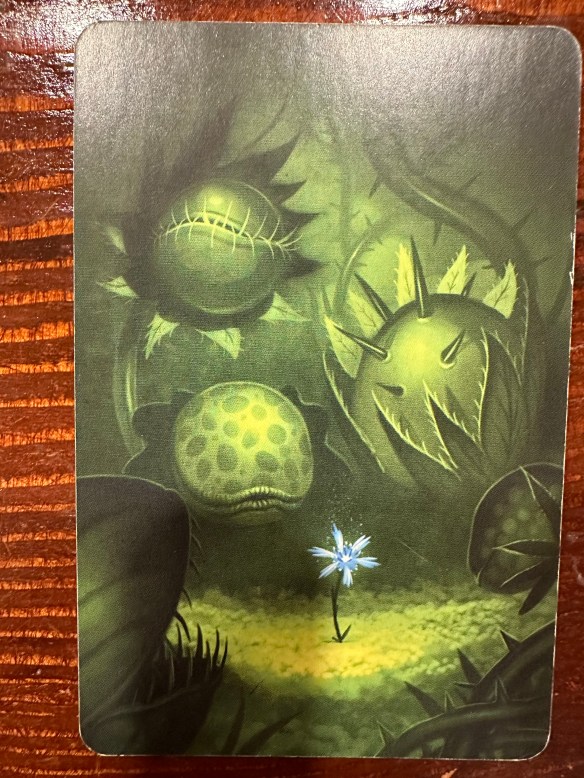
I threw a couple back that were obviously outliers and drew replacements. After a couple rounds of discards I had a set of cards that I knew could work together. As you can see, there are a couple themes that the cards share, with each having their own unique message and imagery.

I’ll use some generalities to explain the story since I don’t want to give it away (it’s currently submitted to a super cool magazine and it’s the piece I used in my MFA application). I knew there was going to be a heavy nature theme, and there would be some form of isolation. From that nature theme, I wanted both plants and animals to feature strongly.

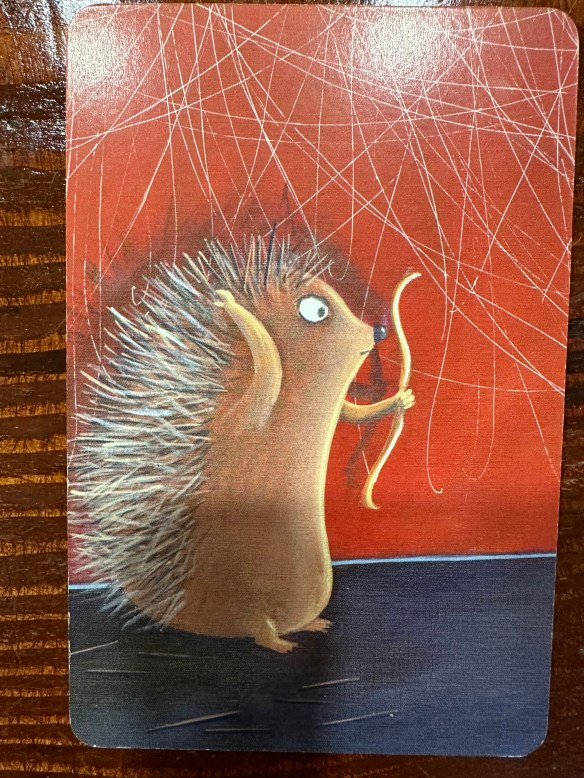
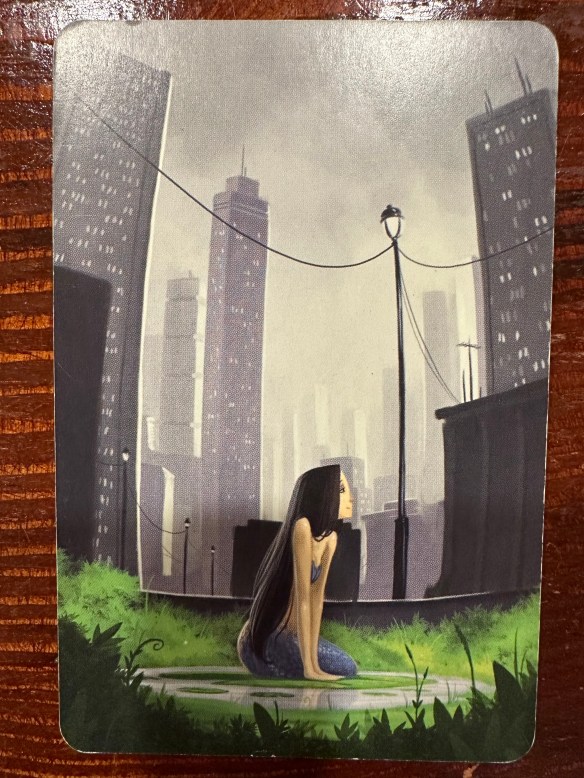
The card that stuck out initially to me as “woah, that could be fun” was the porcupine. The idea of a porcupine shooting its quills as arrows was super fun. But porcupines can’t actually do that. Unless they’re aliens. So science fiction. But if sci-fi, why would they use their quills as opposed to tech? That’s where the card blended with the nature oasis in the city.

So now I have a setting, a species, and a society. Now I need a story. If the focus of the story is within this unique setting, I needed to lean into that setting, so I combined the scary forest and the lonely barbed tail cat. A scary forest is a good reason to need to shoot quill arrows, and a barbed tail cat makes for a scary denizen. But a nature vs nature story? Where’s the fun in that?

Enter the bad guy. The bad guy doesn’t appear on these cards (neither does the POV protagonist), and I’m not going to give away his role or how that impacts the story, but I will say the last card definitely plays a role in all the other cards.

So with only five cards I was able to create a story I doubt I would have thought up on my own. Once, fingers crossed, it gets accepted by that really cool magazine, I’ll be sure to share so you can get all the details. Now for the next story where I used the cards in a different way.

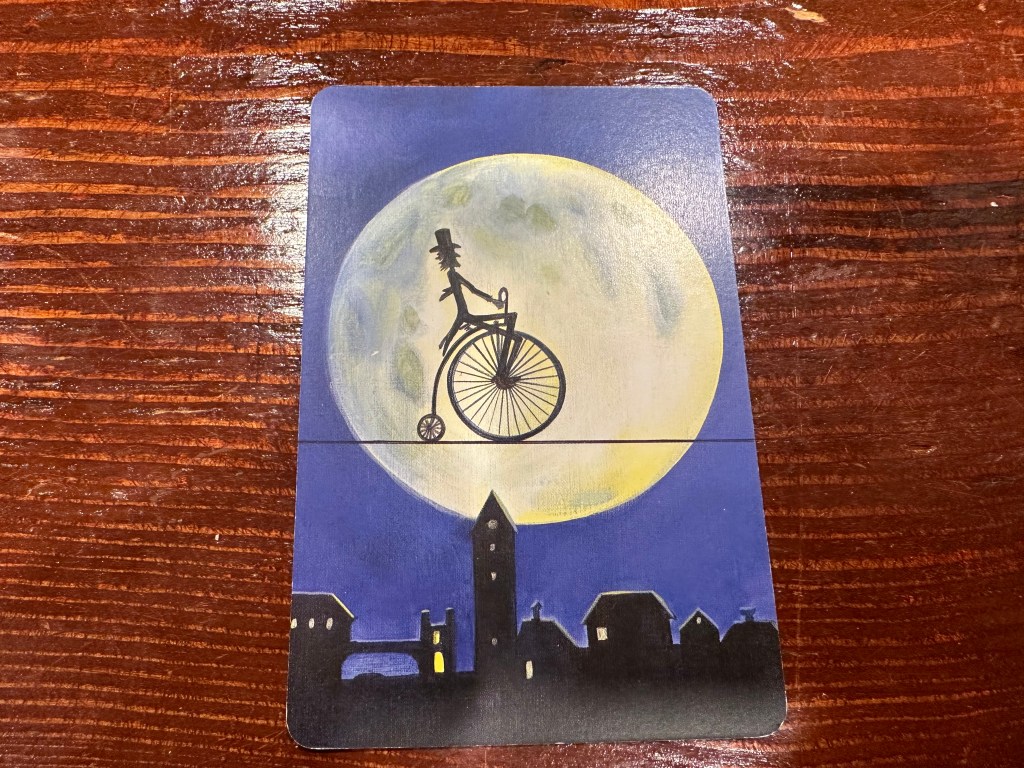
The prior story I used five cards, and it was for a short story. This next one, I only used one, and it ended up being the driving force in the creation of the novel I’m working on. For this one I was attempting to do the same brainstorming tactic, and there was one card that didn’t fit with the other four. When I went to discard it though I paused, taken in by the image.

To be fair, being captured by an image can happen anywhere at anytime. But with the Dixit method, you’re intentionally inundating yourself in creative imagery, so in that way you’re increasing the odds. This one card, a man cycling across a wire/string/thingamajig overtop a city made me think, “why”? What year is this city in where the man is riding a penny farthing where there would also be a wire strung up?

At the same time I was also super into Hamilton (and let’s be honest, kind of still am), having listened to it at my brother’s bachelor party (yes, we’re that cool), and the relationship dynamics of Hamilton and Burr as well as Hamilton and the Schuyler sisters were on my mind. I’m going to play this one really close to my chest, but between finding an answer for what the city was and determining characters and motivation I had a full outline drawn up the very next day.

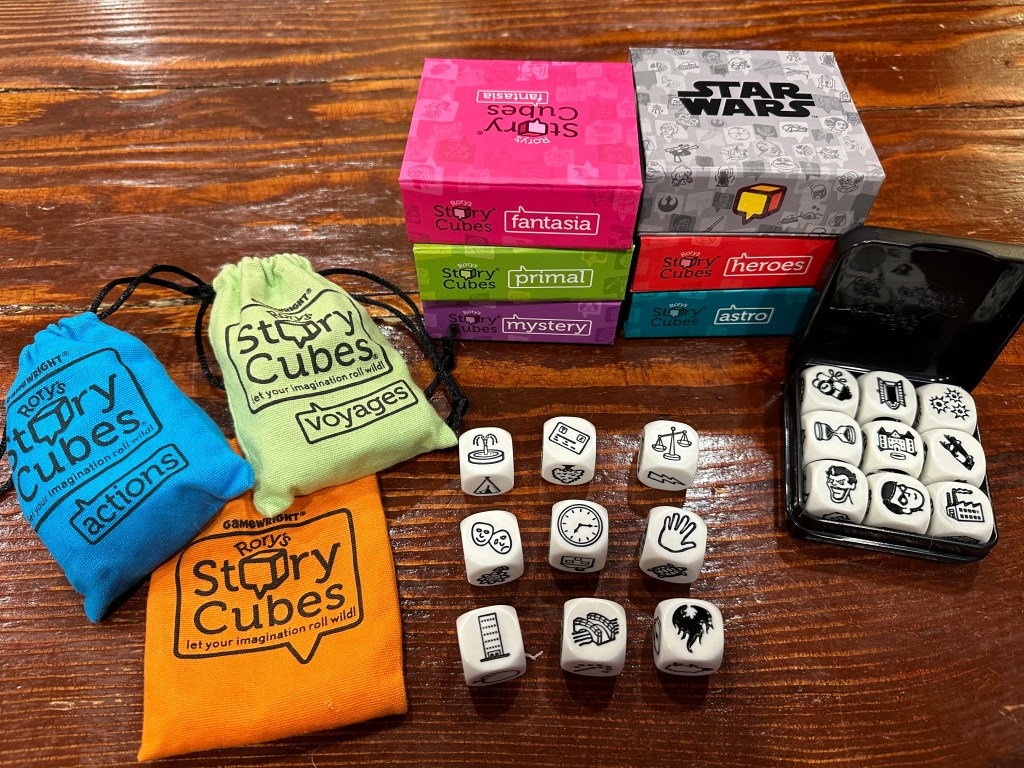
Let’s move away from Dixit now and onto one that I had high hopes for and which is still fun, but not quite as good for story generation, as least not for me anyway. What it is good for is writing warmups. Sometimes it’s hard to find prompts online, especially if you’re in writing groups with varying interests. Enter Story Cubes.

Each Story Cube die has six different images, and each set comes with nine dice. As you can imagine, that leads to a ton of varied combinations of images that can be interpreted many different ways. The result is fun warmups where each person utilizes what sticks out to them the most and you learn different ways to approach similar ideas.

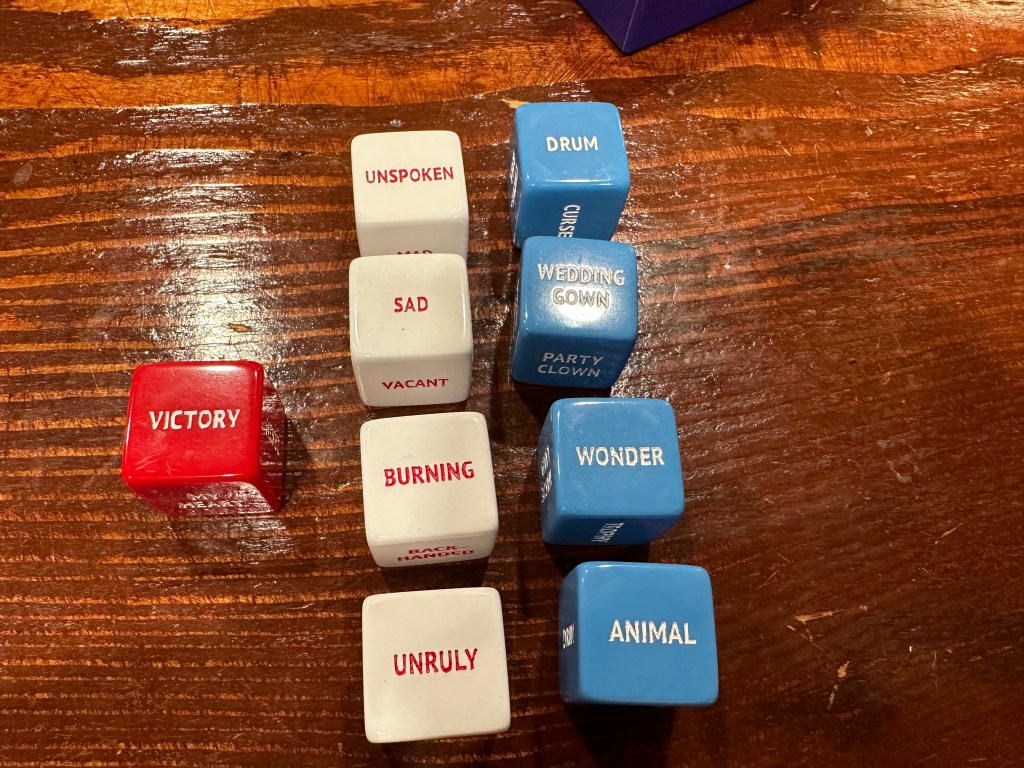
Metaphor Dice are slightly different, and I only just acquired them at AWP this past year. It’s less for creating stories or even prompts, but more to make fun character decisions or observations. It’s especially good at creating unique character background or personality traits. How it works is you roll the dice and follow them red/white/blue. I just now rolled a set and got passion/handed-down/brand new toy. So I’d say “passion is a handed-down brand new toy, that is to say her touch traced the contours of her ex’s chest on his own”. Off the cuff not amazing, but you get the drift.

From here the question, as with the second Dixit example, is “why?” Why does this character feel that way about passion? Is it with a particular partner? Is it because of some past experience? How does this influence their everyday life? I now have a brand new angle to use for my character.

But what if my story doesn’t dictate a romance? What if I know my character is all about, say, honor? Or revenge? Or creativity? If you have a trait you know is essential, but that you’d like to explore, just set that as your red die concept. Roll the others, see what comes out of it. It can turn the superficial character concept in your head into a complex individual with compelling motivations.

The last thing I’ll write about only briefly and will make a post dedicated exclusively for it is ChatBotGPT. I want to go on record and say I DO NOT use AI generated writing, but instead I use it for brainstorming, something it is very good at. I’ve been using it a lot for the last few months, trying it out and seeing what the big fuss was. Sometimes it tries to write for me, but mostly it just answers questions or provides lists. It is not a good writer. But it’s an excellent researcher. But more on that later.

Brainstorming is sometimes a challenging and daunting task, whether it’s new stories or expanding on existing ideas. Hopefully by using some of these tactics you can have an easier and more fun go of it.

Journals, Science, and Baseball, (My) Oh My

Welcome back to the far too infrequently updated Taverenbooks blog. I keep telling myself to post more, and as much as I do like to talk about myself, I like to write stories more. So my word count goes to Word instead of WordPress. But I’m here now, so let’s do this.

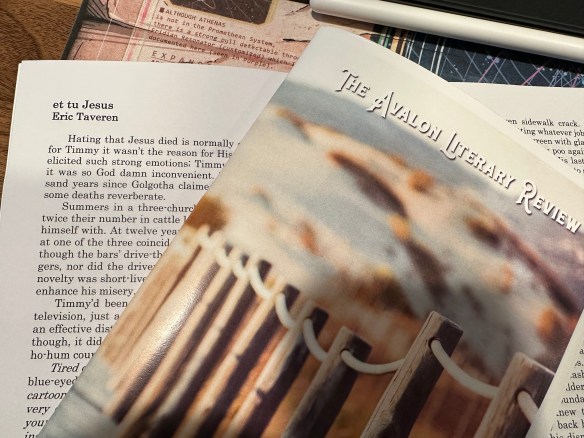
Since my last post, I received an acceptance for a short piece in The Avalon Literary Review, and just yesterday I got my copies in the mail. The piece, et tu Jesus, came from an exercise in my MFA point of view class this past spring and has loose parallels to my own summers in North Dakota when I was a kid. It’s a quick read, but one that’ll make you chuckle and put a smile on your face.

Last week I heard back from an anthology I submitted to, Space Brides, Inc, and they’ve accepted my story for that as well. I’ve always enjoyed reading sci-fi and it was fun combining things I’ve always had interest in (the moon Europa and extremophiles) with the scariest thing known to mankind… relationships. The anthology should be coming out later this fall, so something else to look forward to.

I just sent in a short story that takes place in the early 1500s in France and am currently working on a middle grade short about an eleven-year-old girl who, even though she just saved the world, can’t figure out what’s happening at her grandma’s house. I’ve read some of it to Westley (my five-year-old son) and he’s enjoying it so far. Though to be fair, magic and light potty humor are always golden with him.

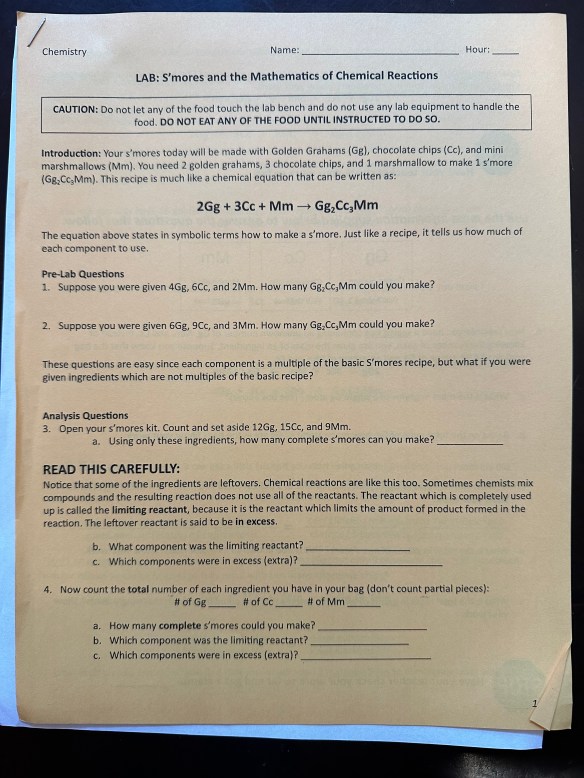
Speaking of Westley, one of the reasons I’ve had less time to write this summer is because kids require a lot of attention and energy. In particular, he’s been super into science and we’ve been doing experiments and watching all sorts of videos. Some of the things we’ve done are a marble run, elephant toothpaste, creating S’mores “molecules”, and later today we’re going to combine baking soda and vinegar in different amounts to see what changes.

Driving some of that interest are some videos we’ve been watching. On YouTube we’ve been watching Science Max and Mark Rober, and on Netflix it’s been Emily’s Wonderlab. Science Max and Mark Rober are really good about explaining the science and presenting the results in fun, eye-popping ways. Emily’s Wonderlab is really good about including kids in the actual experiments, so it seems to him something he can do.

I’ll try to keep this next section short because as my wife can attest, I can ramble and ramble on the subject. Growing up near Seattle, I’ve always had a passion for the Seattle Mariners. The last few years have been great with their ever-improving record, and with reaching the playoffs for the first time since 2001 last fall. Since most of the games are on the west coast I don’t get to start watching until 9pm in Minnesota, which in turn makes for many late nights. So when they come to town to play the Twins, it’s especially exciting given how few chances I have to see them in person.

This year when they came I took Westley to his first Mariners game and made sure to get seats close enough to engage and entertain him, as much as can be expected for a five-year-old anyway. Of course it ended up being 95 degrees that day, so that sucked, but it was still a fun experience, even if his favorite part ended up being the Dippin’ Dots. By the way, if any Mariners person ends up reading this, I’ve got a great idea for a collaboration. Call me. 🙂

I keep saying I’ll try to post more often, and I keep meaning it. Hopefully it won’t take two months for the next post.

Exciting News and Other Updates

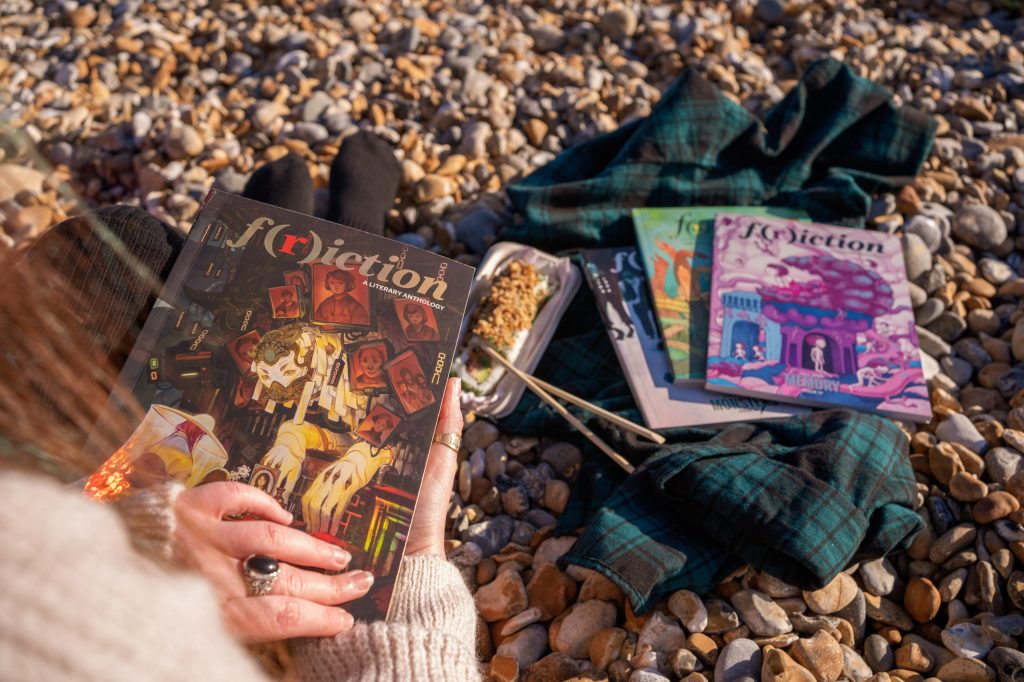
Back at AWP, which seems forever ago now, I was going through the bookfair and came upon F(r)iction, a lit mag that caught my interest like none others all weekend. If they select your story, they will find an illustrator to fully illustrate your story. The magazine looks like a graphic novel. It’s amazing. Unfortunately the exciting news isn’t that I’ve been accepted there (though my story has been submitted).

F(r)iction also has an online contest they do twice a year called Dually Noted where they have a singular prompt that people write on each week and each week they publish a winner. The stories have to be less than 500 words. The prompt this round is “god sends out a resignation letter”. I don’t have a ton of experience writing flash, but I thought “why not?” and wrote a story. And they picked it!

A Divine Appointment is about Heavenly HR worker Winston and a particularly bad day at HR HQ. It’s a quick read, so I’ll let you see what happens.

Now for other updates.

This week I had my last class this semester for my MFA. The class was all about POV. You all know the basics of what first, second, and third are, and perhaps you’ve heard of collective and omniscient and objective. It’s all that and more. Infinite possibilities as my professor Sheila O’Conner says.

The end of class is nice in that I’ll get some more free time to write, both on projects and on this blog, but is sad for a couple of reasons. One, no more weekly meeting with fun classmates. Two, Sheila is retiring.

I had her for Novel Class as well as POV, and she’s just super smart and insightful and it’s going to be perpetually drearier on campus without her. 

With class done, I’ve decided this summer to focus on short fictions. To get some publications under my belt. I’ve only submitted off and on the last couple years as I’ve written things for class or been inspired, and a 2/20 acceptance rate isn’t the worst. But there are grants and fellowships out there that care about publications, so I’ll be working on that.

On Sunday I submitted a fantasy origin story of sorts for a character I’m planning an eight-book arc for. Today I started outlining a sci-fi romance with a hint of espionage. Next on the docket after that will be re-tooling a literary fiction short I wrote a few years back now that I’ve got some more tools in my belt. One every other week might be too optimistic, but any goal is better than no goal.

Before I sign off, if there are any writing subjects, or not writing for that matter, that you’d like me to talk about, feel free to let me know. The level of expertise may vary, but I’ll try to engage in whatever way I can.

I hope you enjoyed the story above.

Until next time.

PS: Because it’s cute… our new puppy.